The Herbal Bed
Ikebana: Traditional Artform
Ikebana is the centuries-old Japanese art of arranging flowers. The practice, which roughly translates to “making flowers come alive,” uses carefully selected blossoms, greenery and other flora to convey a specific feeling or emotion to an observer – just as a painting or sculpture might.
This Japanese flower arranging has a minimalist aesthetic, and choosing each piece is as important as the final composition itself. The process is deliberate and reflective. In fact, many of the principles of the KonMari Method™ apply to ikebana flower arrangement – specifically, honing in on what sparks joy.
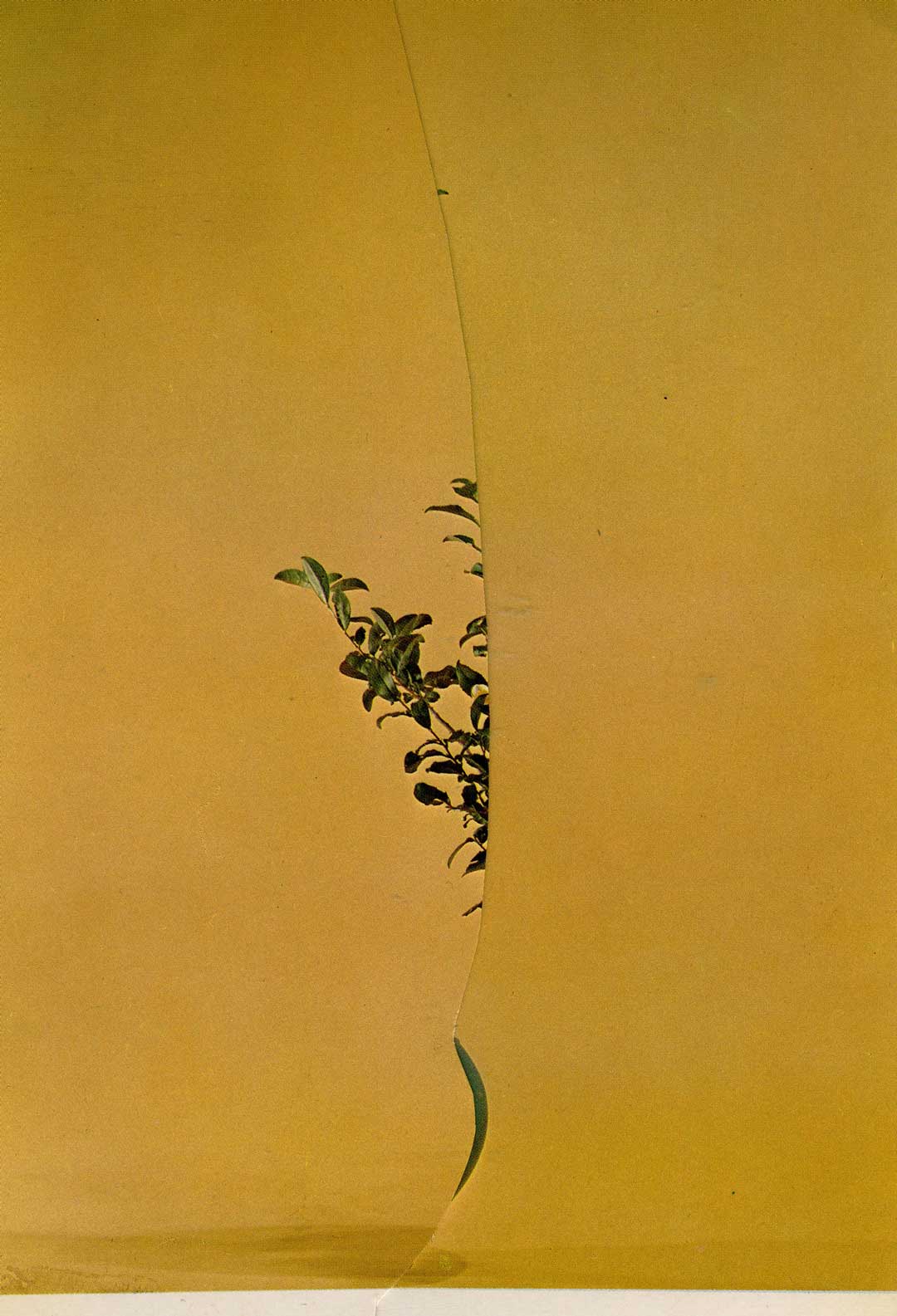
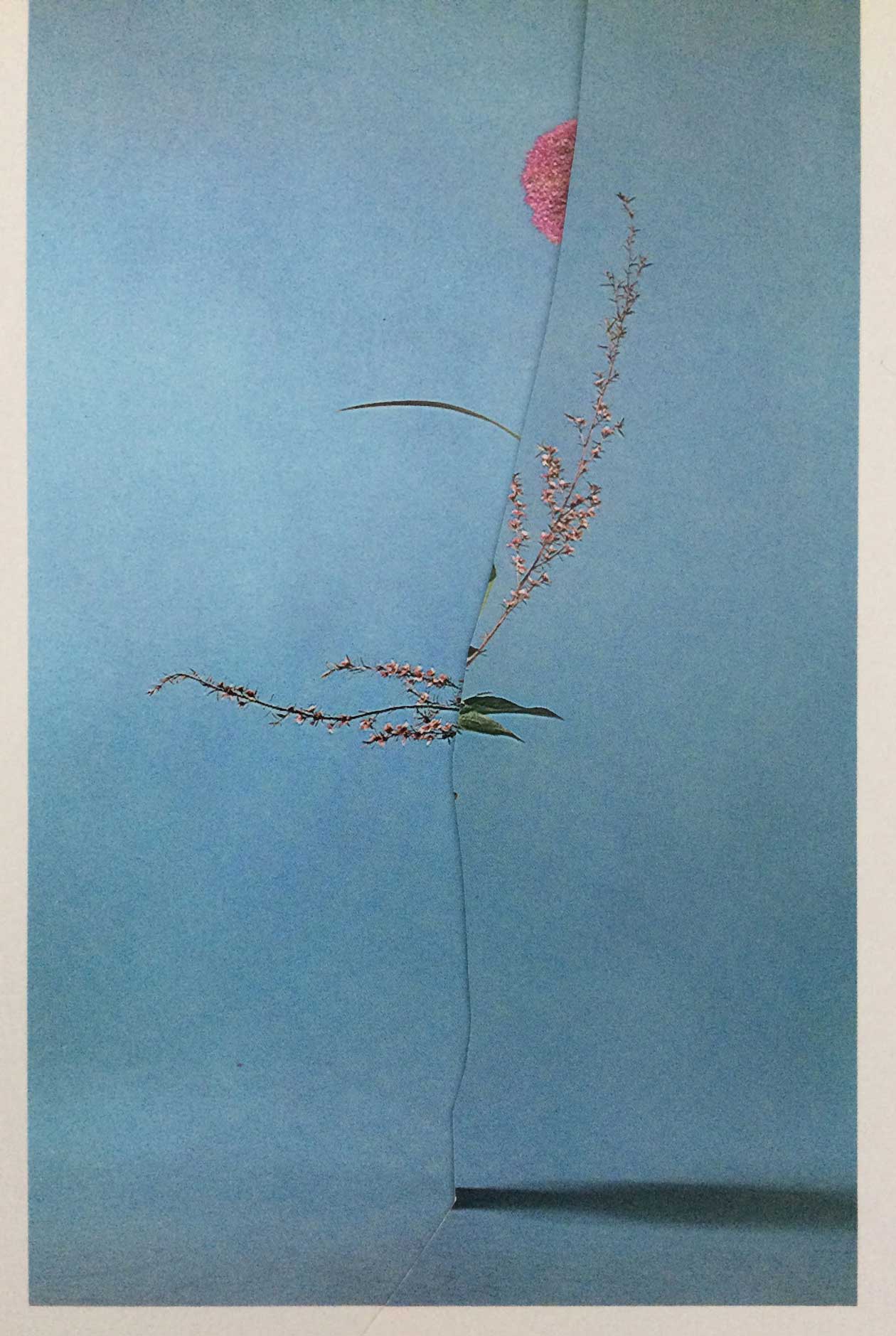
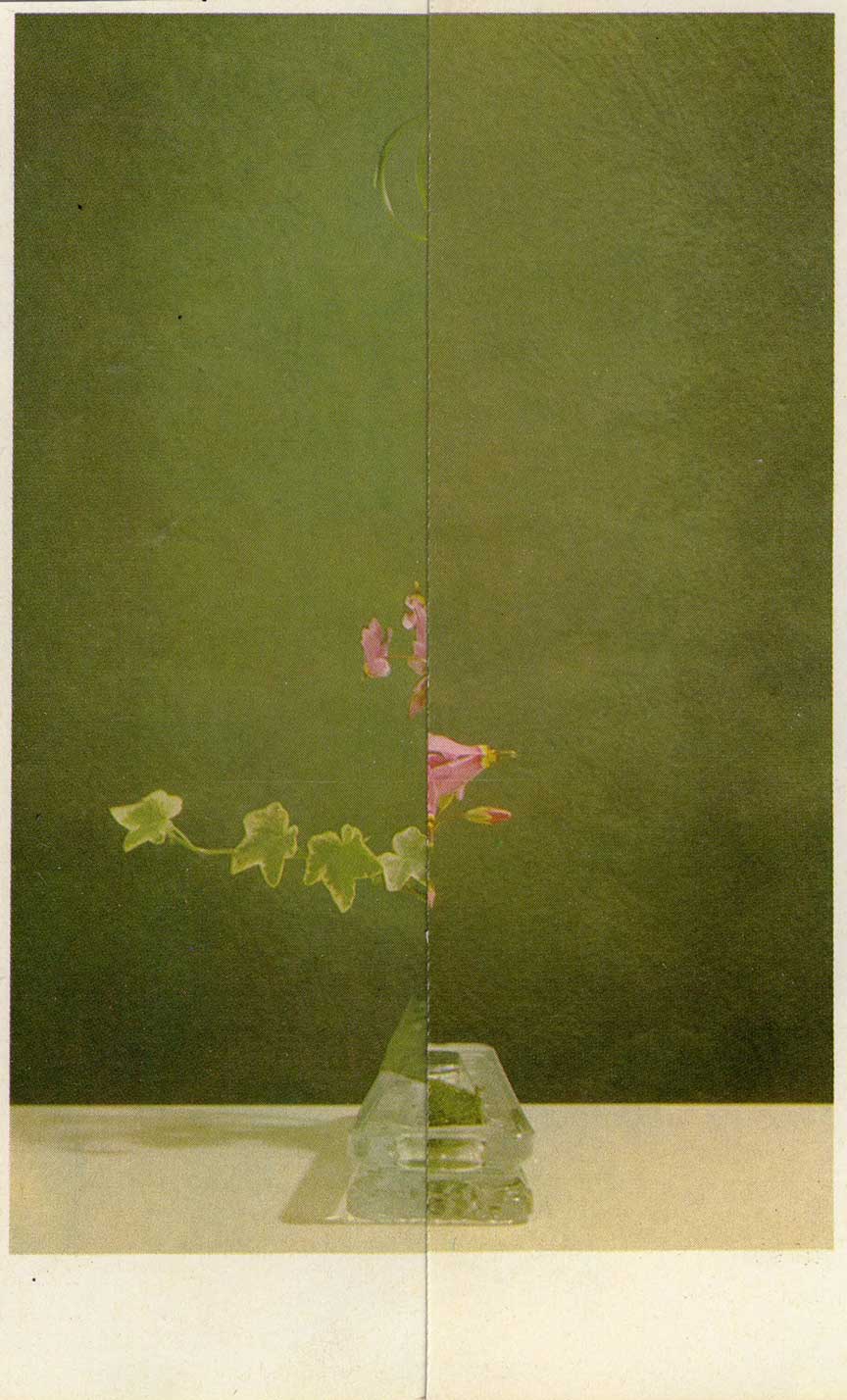
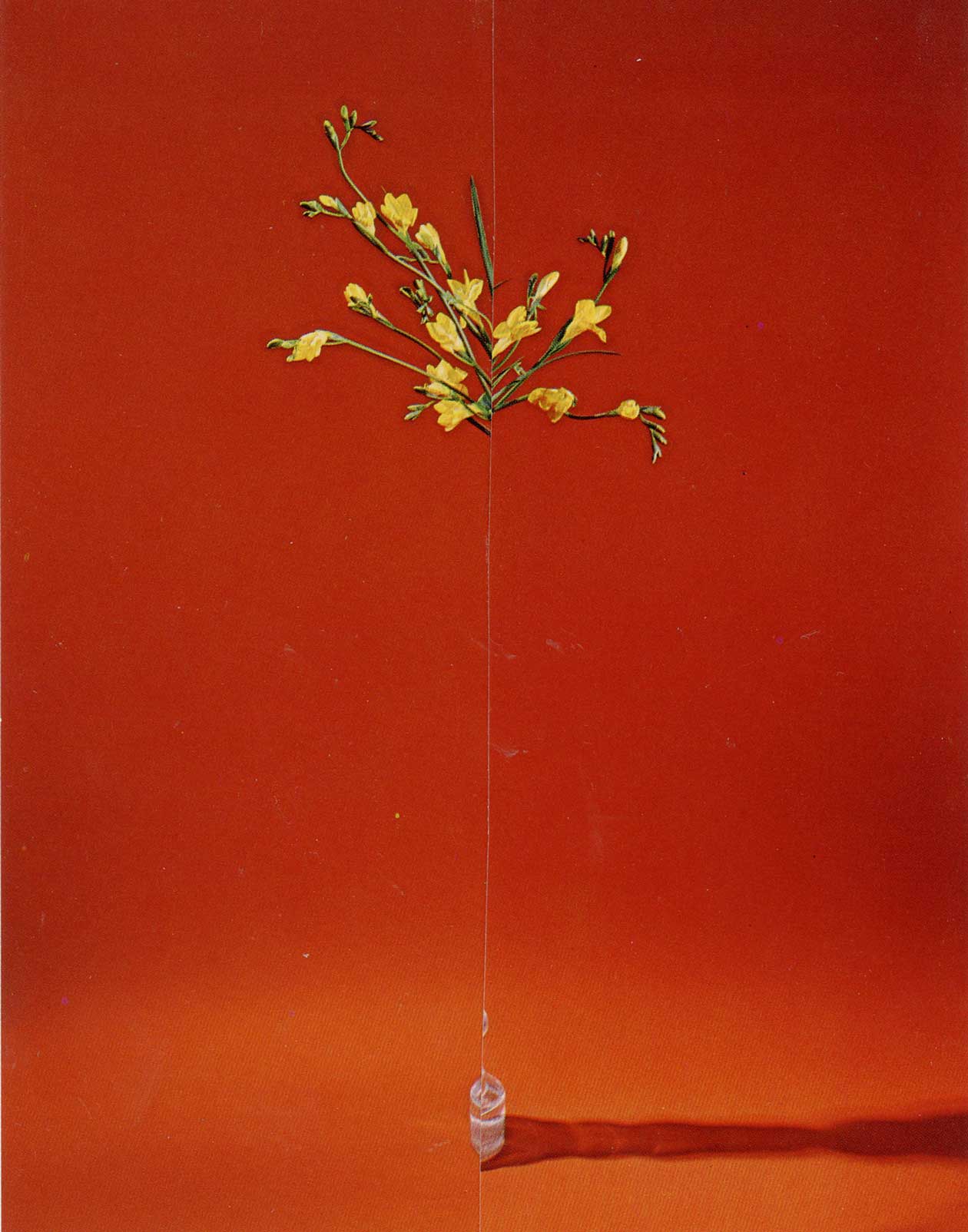
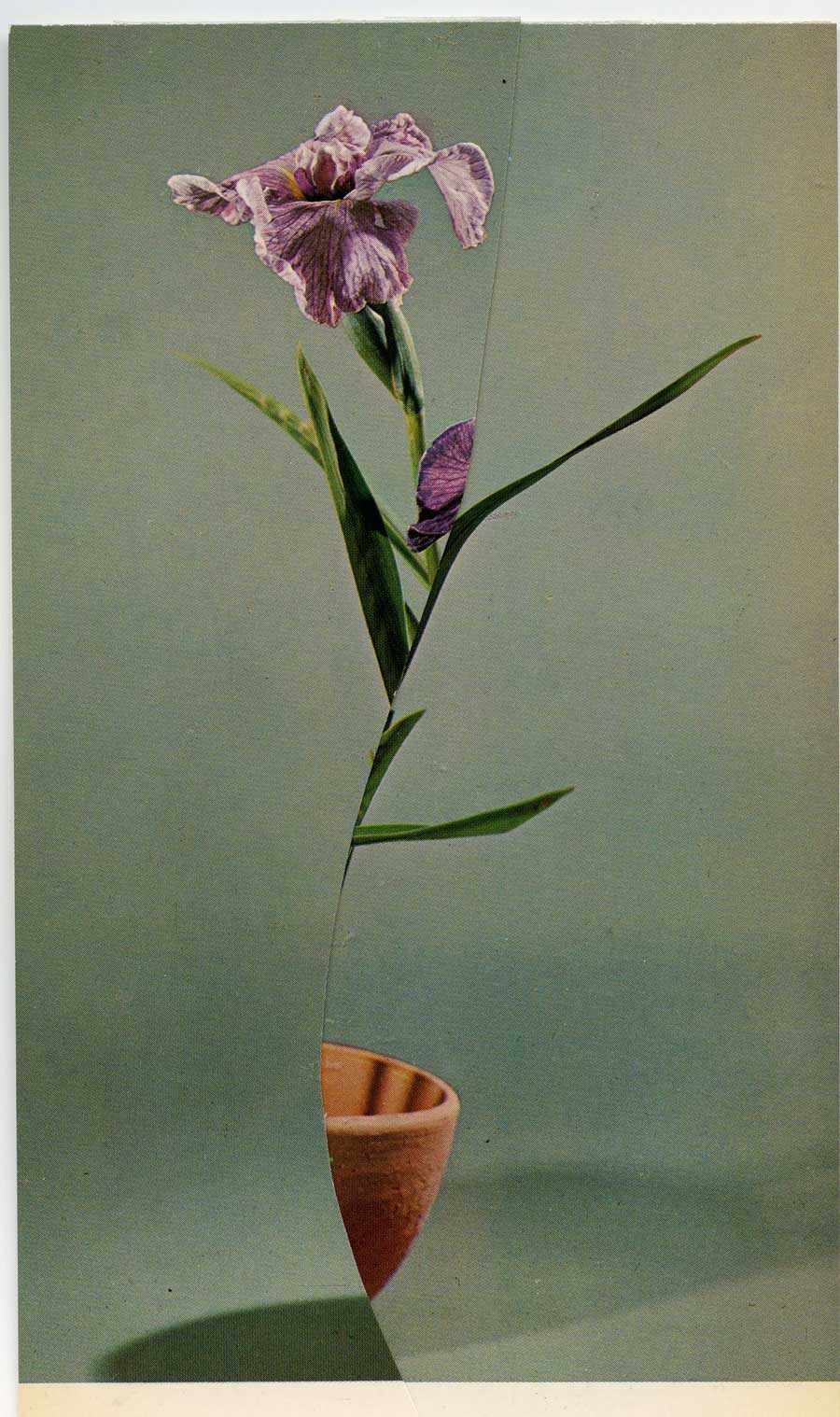
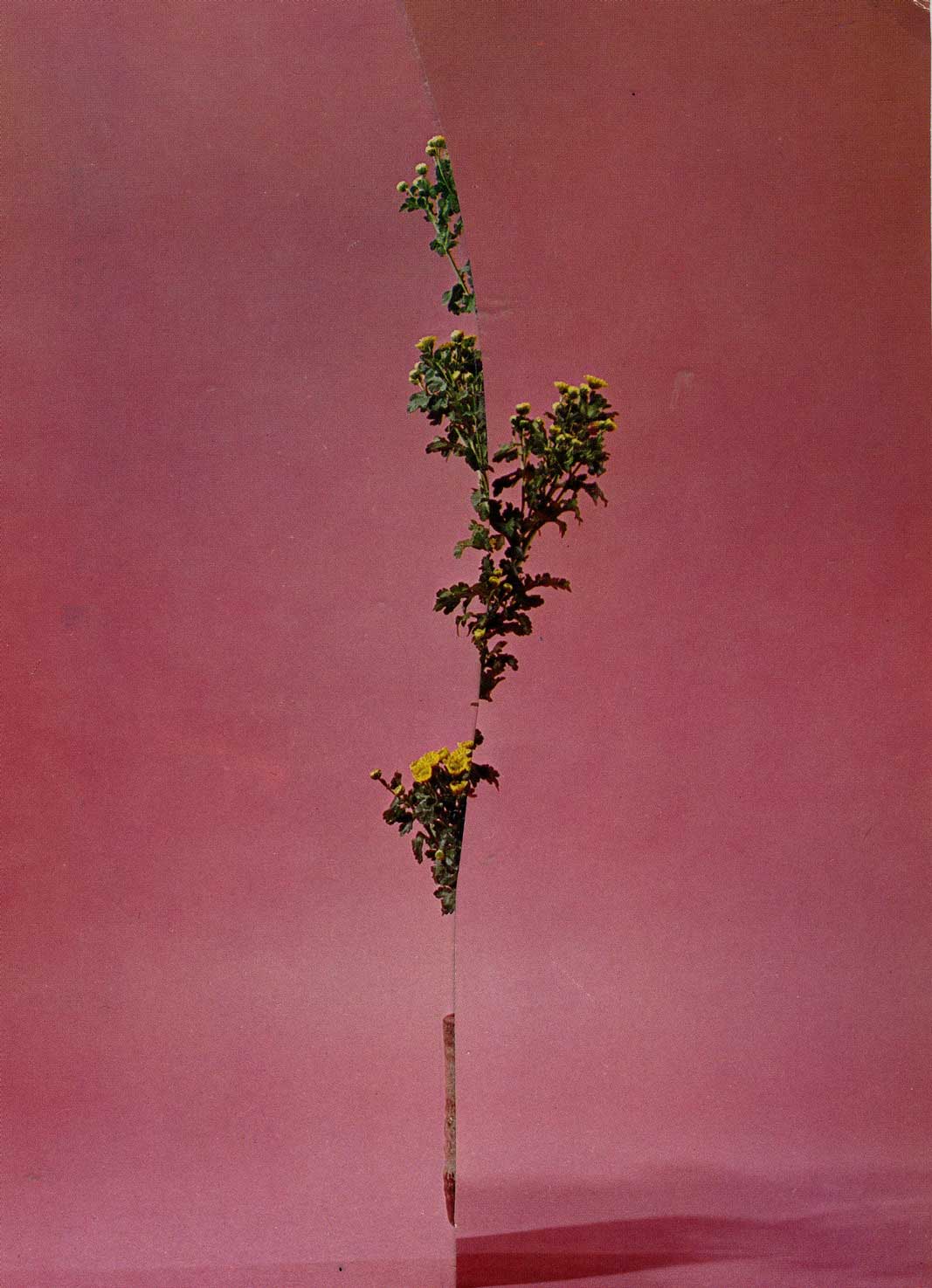
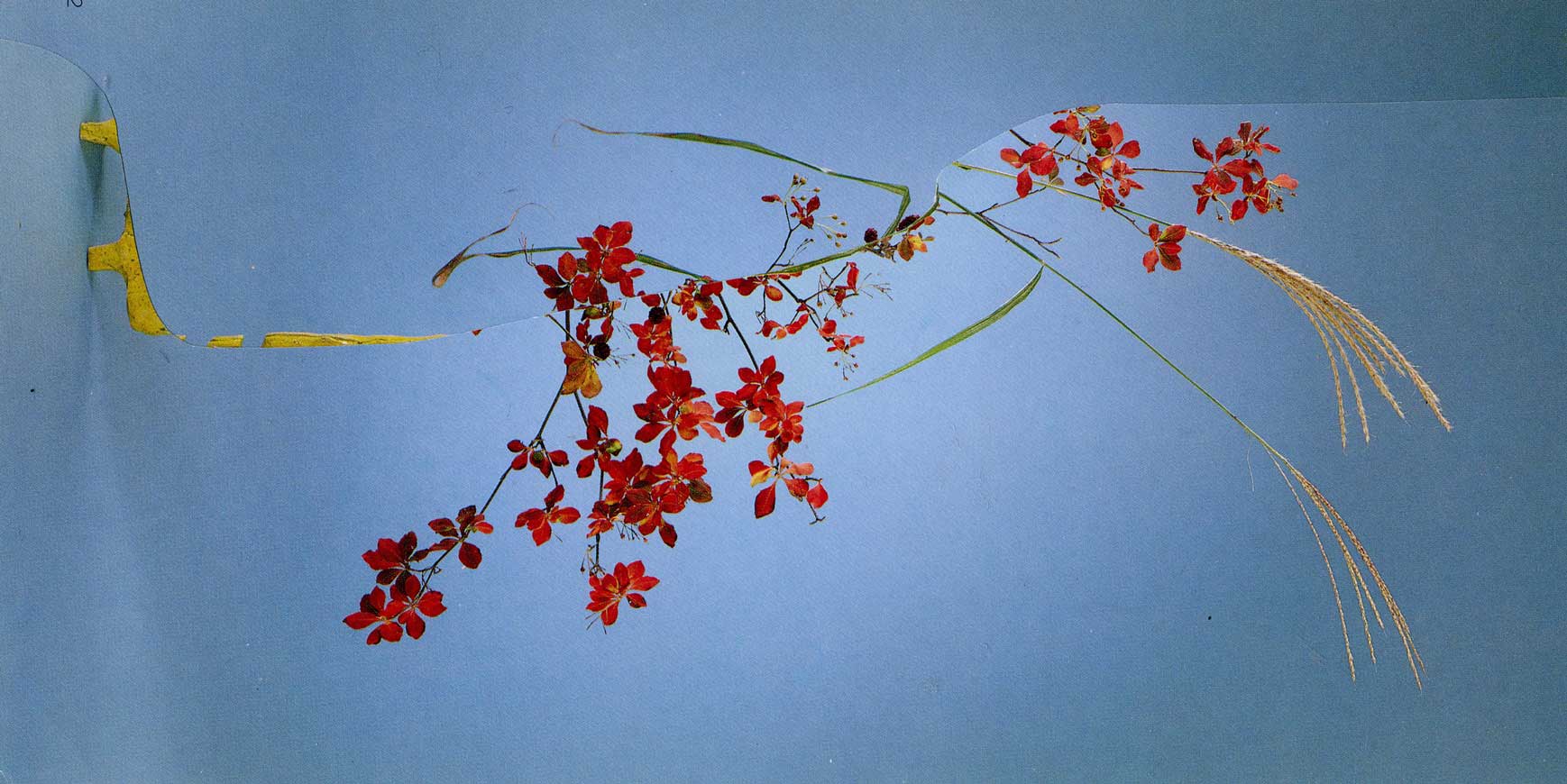
Ikebana, the delicate and ancient Japanese art of folding and placing cut stems, leaves and flowers in vases, finds new form in the collage work of Dutch artist Nicola Kloosterman.
Kloosterman’s Ikeaban
Kloosterman slices apart vintage photographs of ikebana arrangements, removes their center and grants them a different kind of balance through her elegant reassemblage. Traditionally the practice of such flower arrangement in Japan was tied to religion; a soulful activity for the maker that was then placed on outdoor altars as offering and decoration for the gods.
Though the styles of ikebana today number in the thousands, aesthetic simplicity and balance of form remain the key tenets of arrangement. Kloosterman’s work draws upon this tradition; inverting the art through her rigid adherence to it. In each collage she has removed the center of the arrangement; granting a balance of form by removing the form.
I aim to create illustrations that not only capture the beauty of nature but also ignite curiosity and wonder in the viewers. Each drawing is a journey of exploration, inviting you to discover the intricate details and hidden stories within the botanical world”
Part of a larger project entitled ‘Shadowplay’, of the ikebana images Kloosterman explains that “The series quickly grew to include specially sourced images lending themselves to have their most catching features discarded, leaving only a shadow of the original image.” These shadows offer intrigue, what lies beyond the cut? “In this way, a new image is created that stands its own ground,” Kloosterman explains, “and yet it’s cut lines indicate that a core piece has been lost.”
See more / content via: https://www.theguardian.com