Art & Science Combine
Who was John James Audubon?
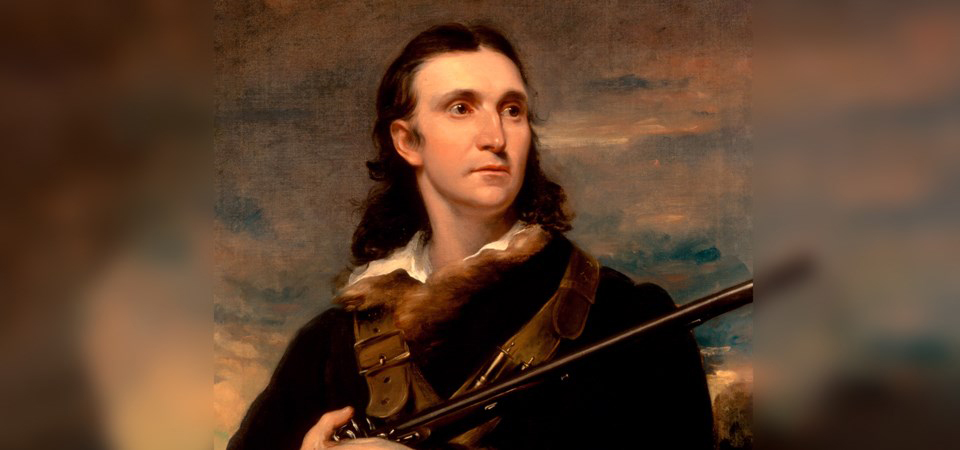
John James Audubon, born in 1785, emerged as one of America’s greatest scientists, leaving an indelible mark on the fields of ornithology and art. Despite being an immigrant to America and lacking formal education, Audubon’s pioneering work revolutionized the study of birds and left a lasting impact on both science and art.
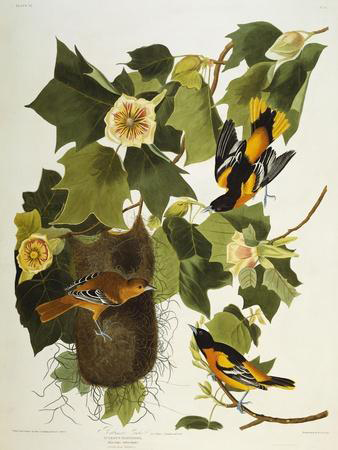
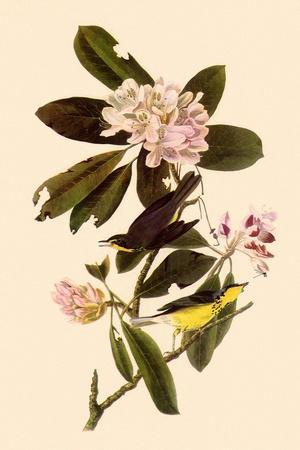
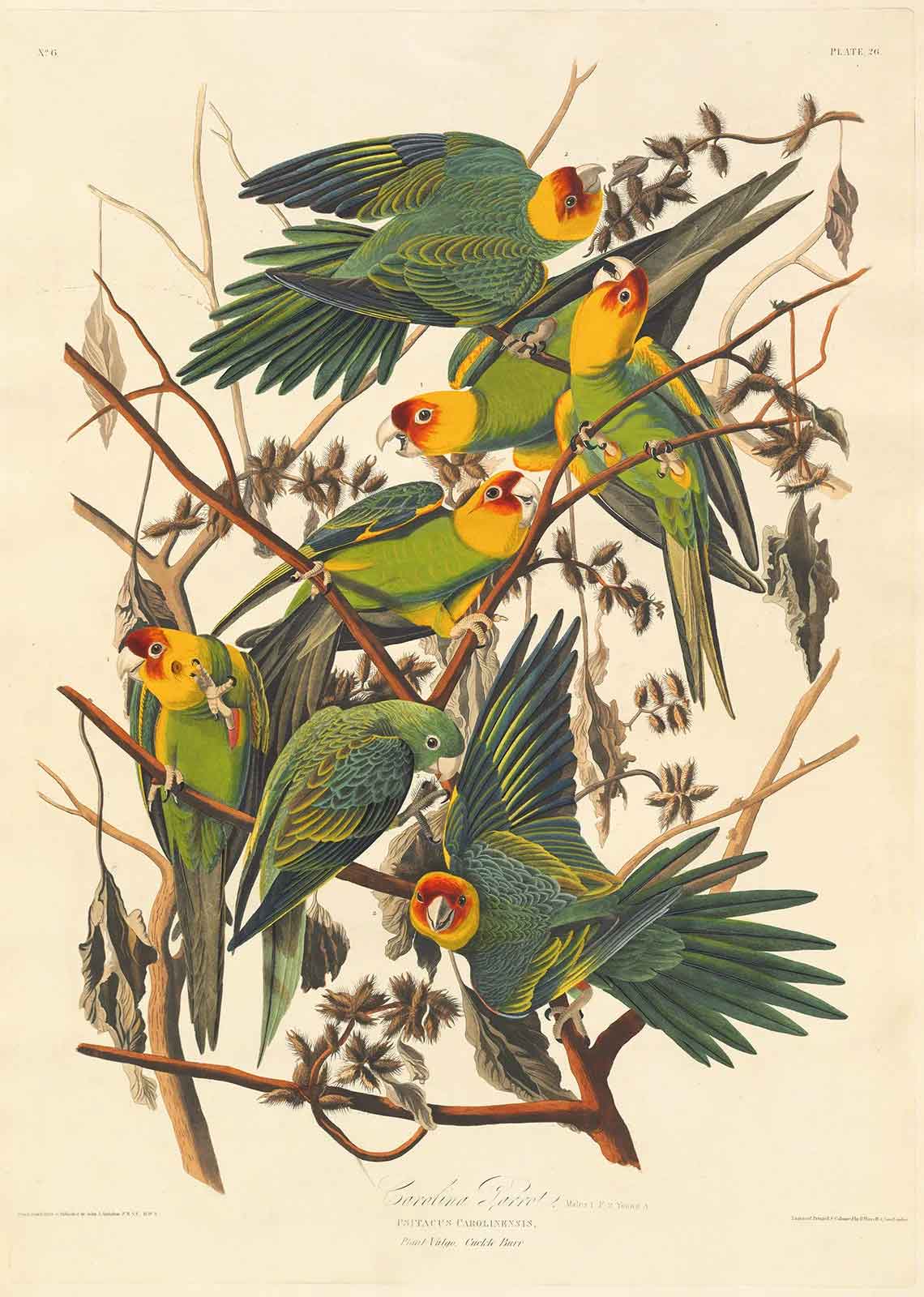
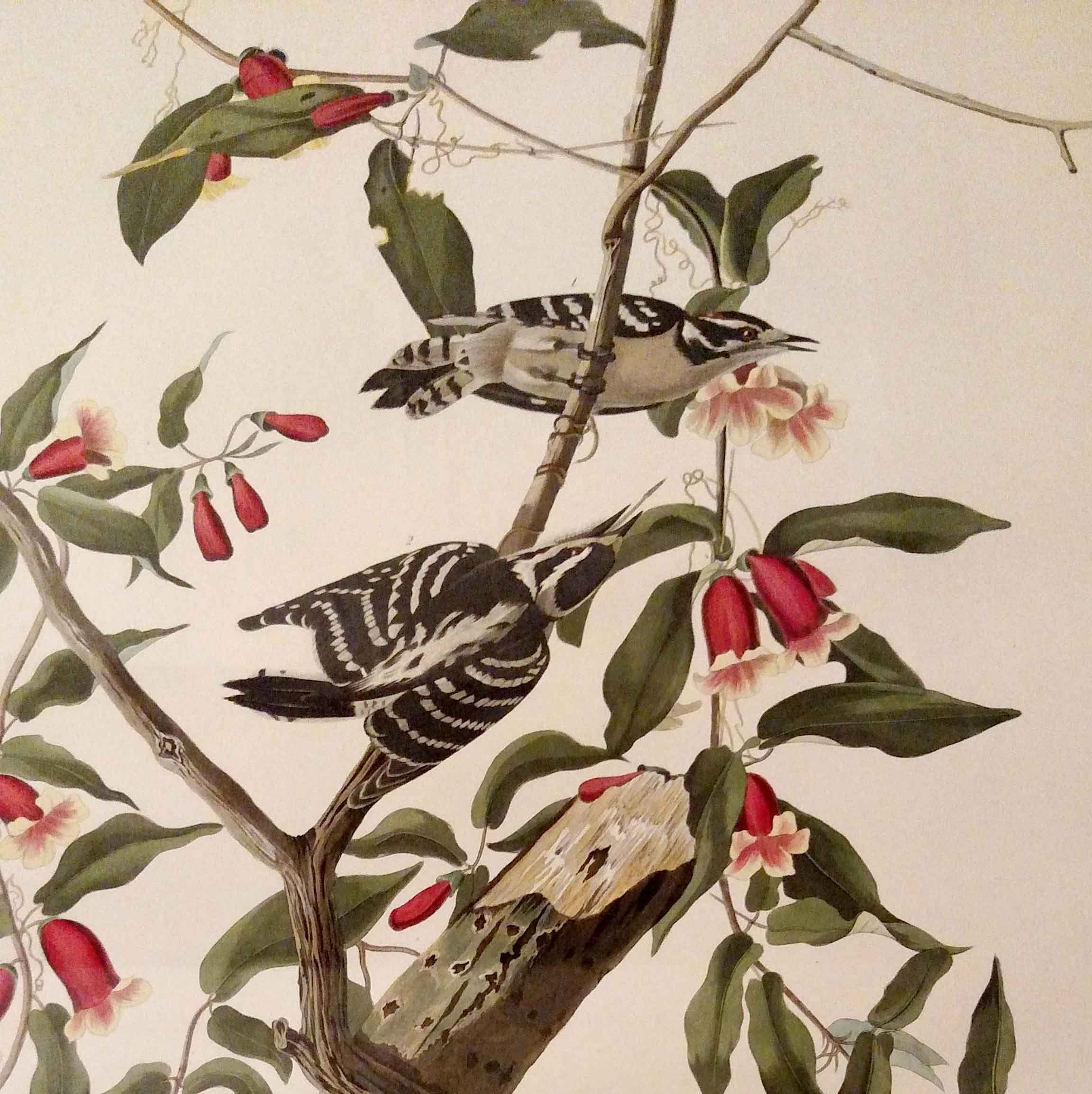
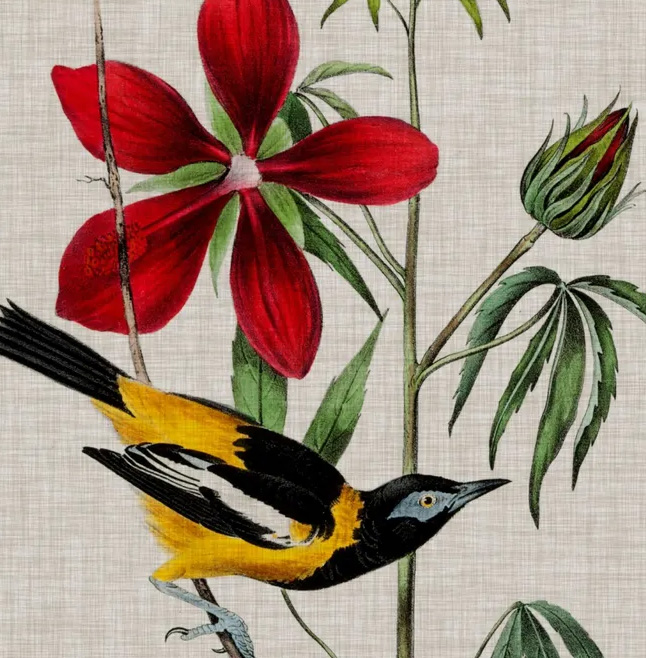
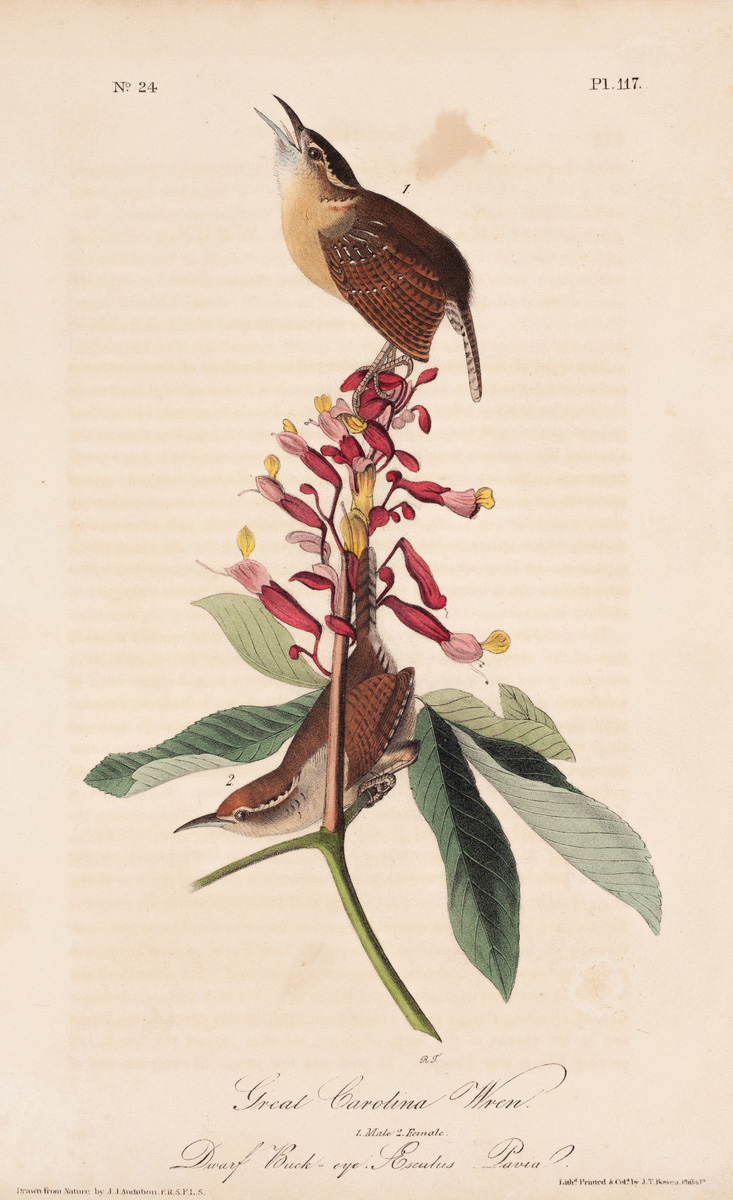
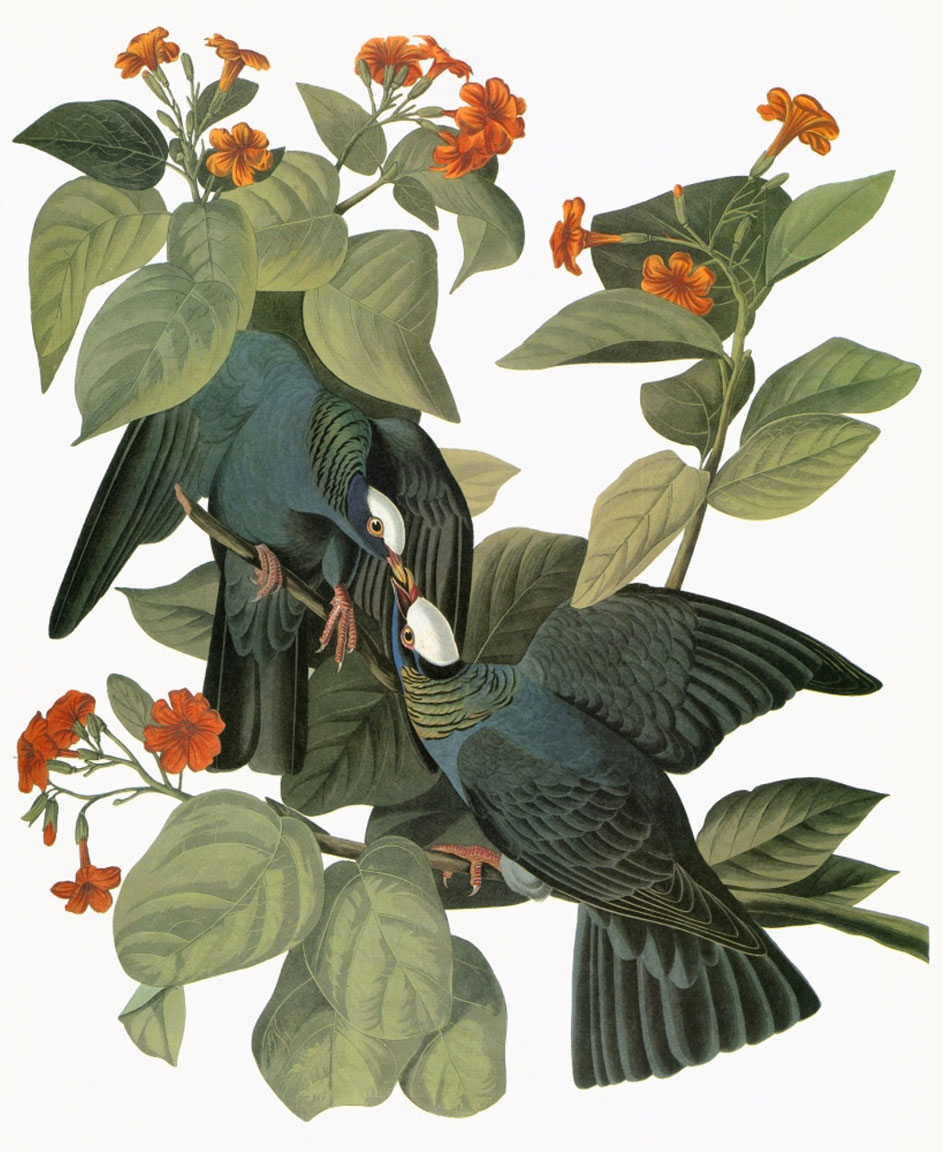
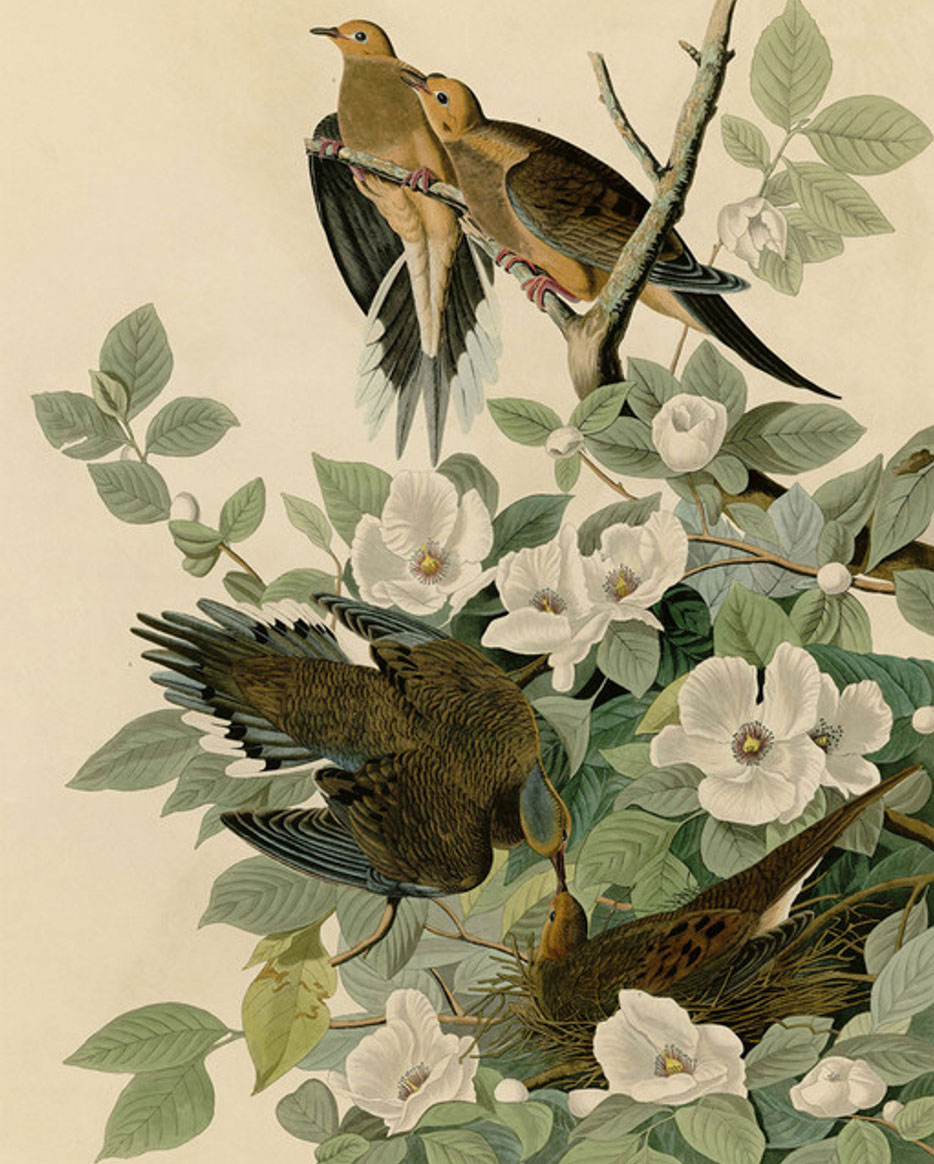
Audubon’s groundbreaking contribution to ornithology stemmed from his innovative approach to depicting birds. He was the first to create images of birds in full-scale, using precise measurements that captured their true size and proportions. Moreover, Audubon’s artistic genius extended beyond mere illustrations; he painted birds in their natural habitats, showcasing their role in the larger ecosystem. These techniques were revolutionary, providing scientists with invaluable insights into avian behavior and ecology.
The crowning achievement of Audubon’s career was “The Birds of America,” a monumental work considered a masterpiece of both science and art. Published in 1826, this ambitious project involved creating life-size prints of birds on oversized double elephant folio pages measuring 2 feet by 3 feet. The book was a costly endeavor, requiring Audubon to sell pre-order subscriptions across the country to fund its publication.
Audubon’s Combination of Art & Science
John James Audubon (1785-1851) was one of America’s greatest scientists. An immigrant to America and with no formal education, he revolutionized the field of ornithology (the study of birds). He was the first person to create images of birds in full-scale, using exact measurements. In his pictures, he also painted the birds in their natural habitat, showing how they are part of a larger ecosystem. These techniques were revolutionary in the sciences. And his greatest work, The Birds of America, is considered a masterpiece of science as well as art. Today, there are only 117 complete, original copies of The Birds of America double elephant folio (2 feet by 3 feet pages) and one is in New Bedford.
A massive undertaking in 1826, publishing the book cost a tremendous amount of money. To pay for his work, Audubon sold pre-order subscriptions around the country. Since New Bedford was one of the wealthiest cities in America, he came here seeking buyers. James Arnold was the only person in town to preorder a copy of the double-elephant folio, an extra-large, life-size print of each image for $870 ($22,890.14 in 2021). Audubon stayed in the Arnold Mansion on County Street (Home – James Arnold Mansion, Inc.) during this time. That original copy is still in New Bedford today. It is in the collection at New Bedford Free Public Library (Main Library – Library – City of New Bedford Official Website (newbedford-ma.gov)). Fifty years after his death, a society of ornithologists named their organization after him, The Audubon Society.
Legacy & Work
The story of James Audubon’s time in New Bedford paints a broader picture about how wealthy people are often patrons of the arts and sciences. In the 1800s, artists found patronage among the many tremendously wealthy people living here. Much of this art is still in the collection of the libraries and museums of New Bedford today.
Today, New Bedford proudly houses one of the 117 surviving complete, original copies of Audubon’s masterpiece. The copy is preserved in the collection of the New Bedford Free Public Library, a testament to the city’s rich cultural heritage and its ties to Audubon’s legacy.
Audubon’s impact extended far beyond his lifetime, as evidenced by the establishment of The Audubon Society, a society of ornithologists who honored his contributions to the field. His story in New Bedford serves as a poignant reminder of the symbiotic relationship between wealth, patronage, and the advancement of art and science, highlighting how affluent individuals often supported artists and scientists in their pursuit of knowledge and creativity. Today, the art and scientific discoveries from that era continue to enrich the collections of libraries and museums in New Bedford, preserving Audubon’s legacy for future generations to appreciate.
See more / content via: https://www.nps.gov/nebe