Eco-Fashion’s Integration.
What is Eco-Fashion?
Eco-fashion is about making clothes that take into account the environment and the working conditions of people in the fashion industry. Eco-fashion also takes in to account the health of the consumers ultimately wearing those garments.
1. Are created using organic materials, such as cotton and hemp grown without pesticides.
2. Do not use harmful chemicals and dyes in their creation.
3. Take into account water and energy usage and try to keep this as low as possible.
4. Are often made from recycled and reused textiles. High-quality garments can be made from second-hand clothes and even recycled plastic bottles.
Eco Fashion Week Australia 2018
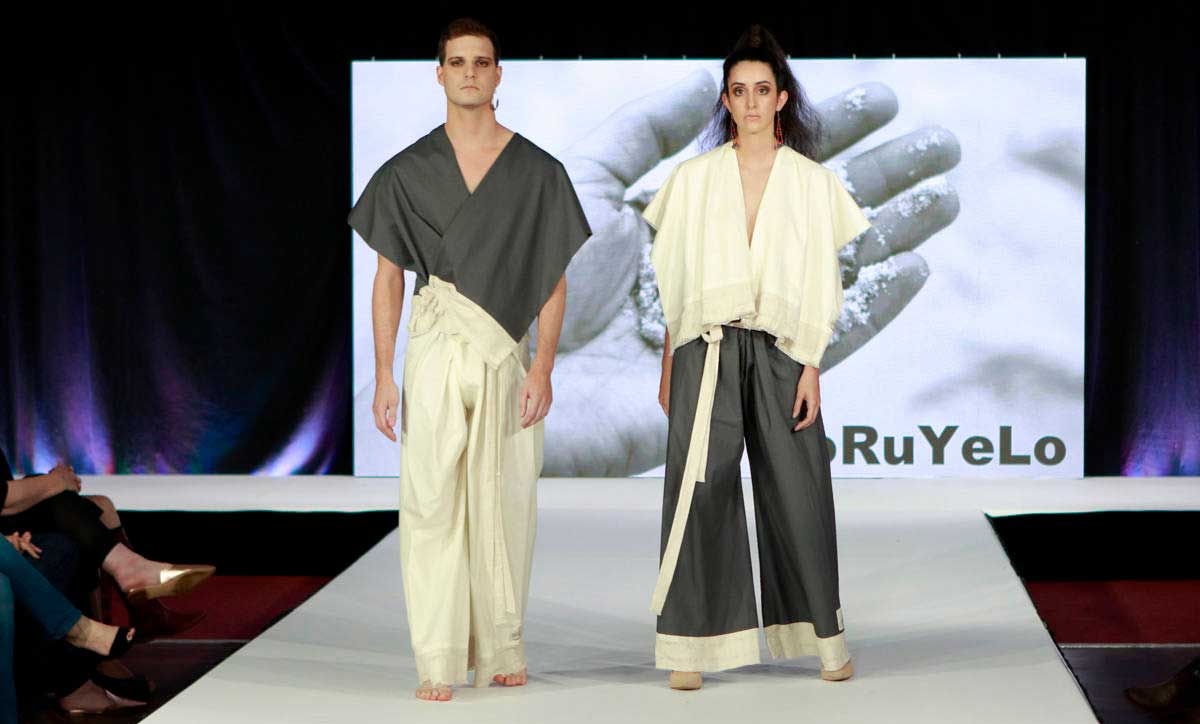
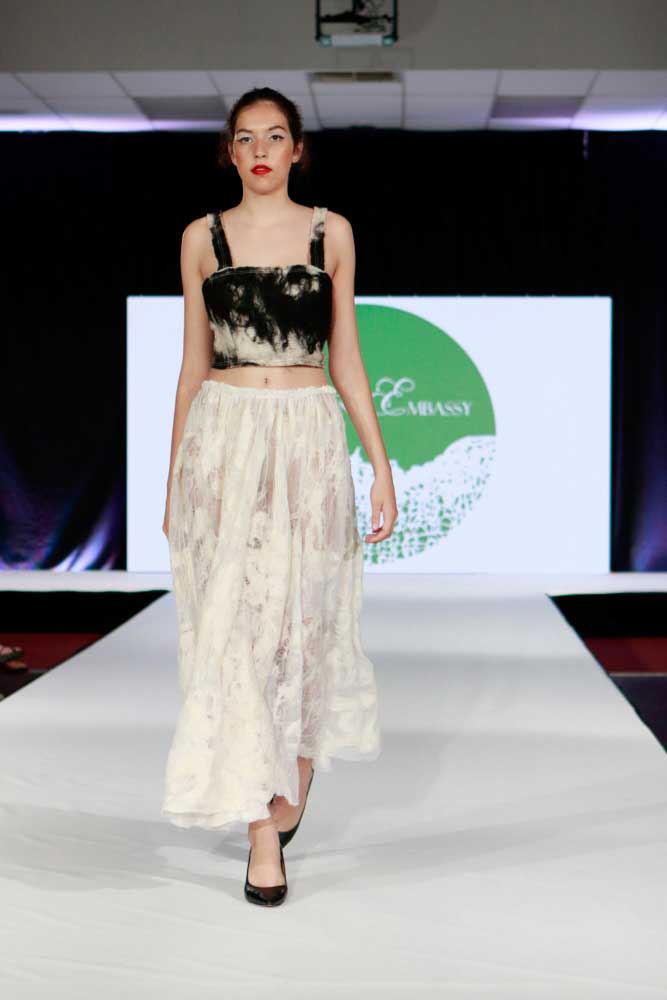
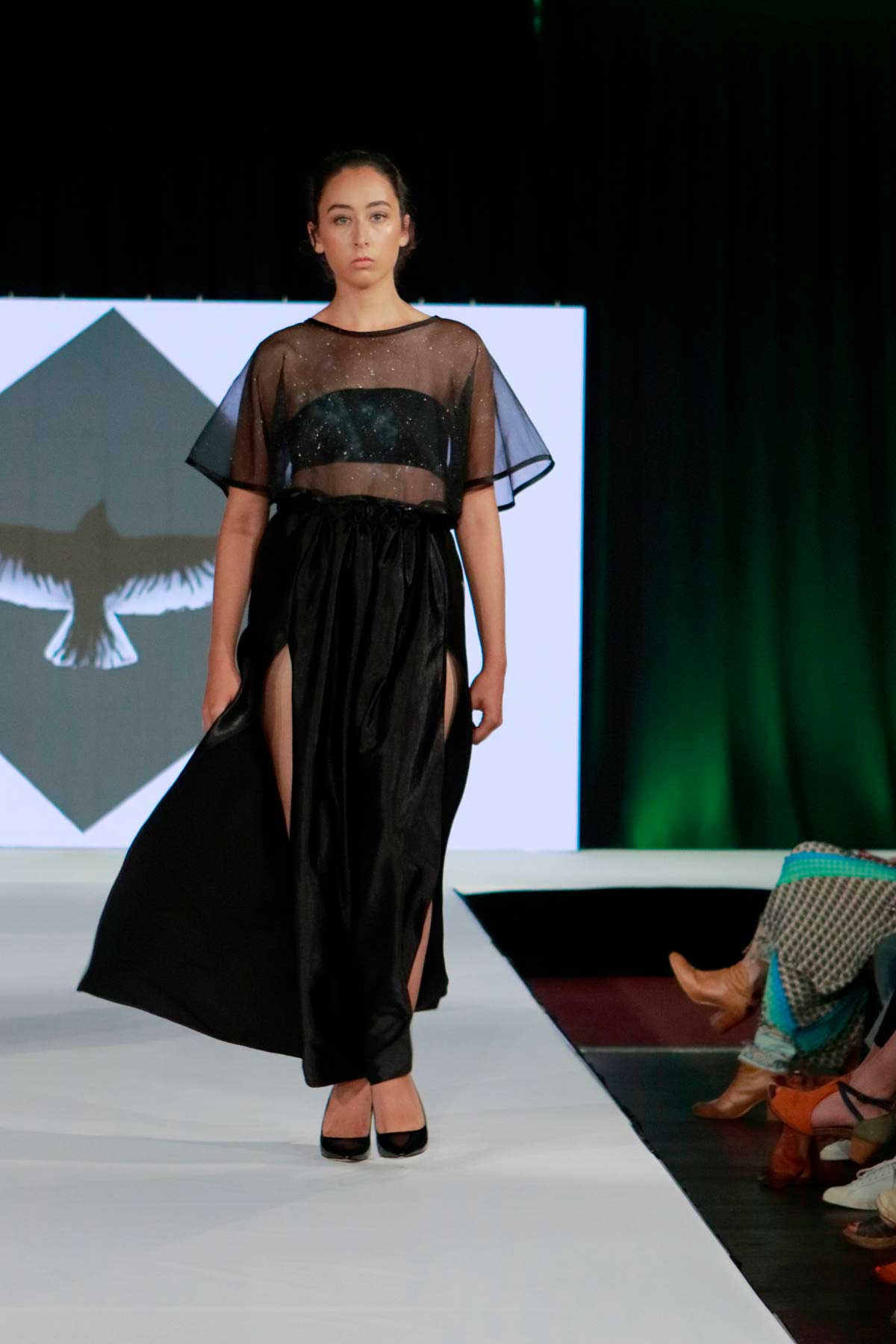
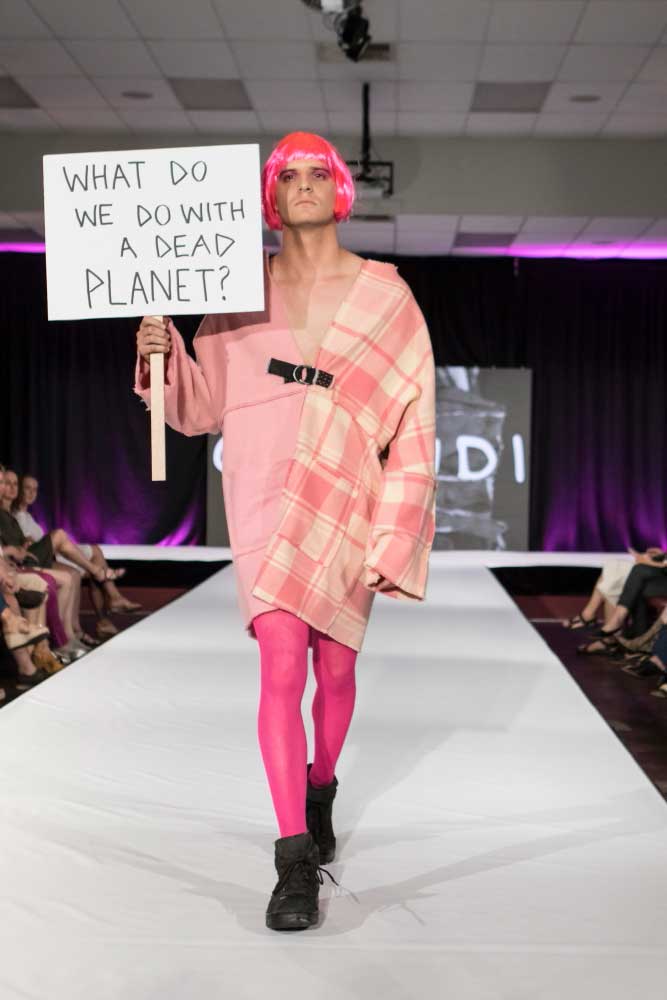
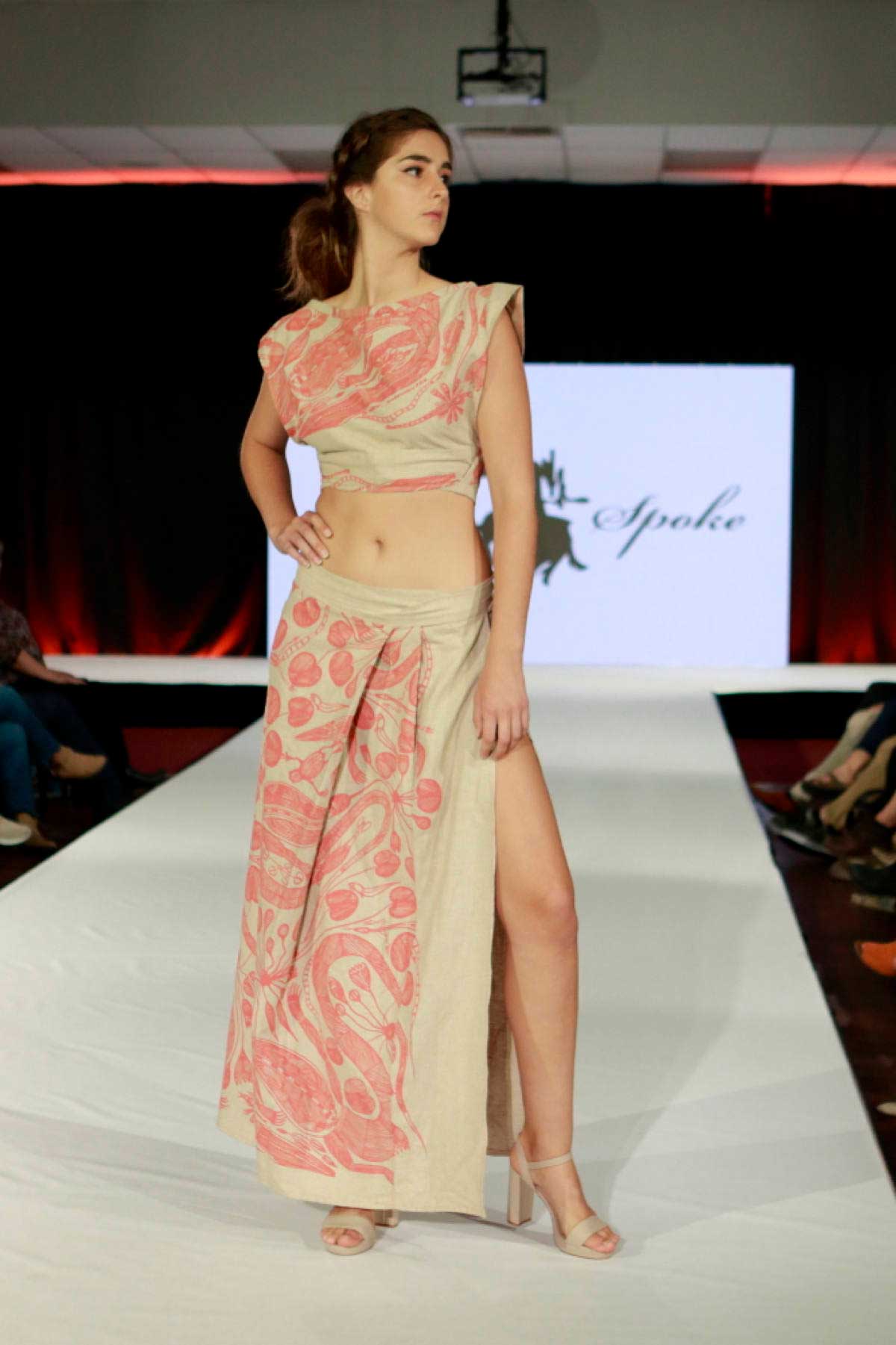
Eco Fashion Week Australia turned off the lights of its second edition on November 21st. The concept is different. Its creative differs from the Fashion Weeks we’re used to. It focuses on empowering the local artisan community and some international designers who identify themselves with the movement. It also focuses on the beauty of local weavings and Aboriginal art. Glamor and business aren’t the top priority. There’s desire. There’s passion. But is it enough?
Last November 14th Eco Fashion Week Australia WA opened the curtains of its second edition. In just two years, it has managed to position itself as the ecological fashion show with the largest number of participating designers from around the world.
After the Port Douglas’s show, EFWA arrived in Fremantle, a coastal town near Perth. The place chosen for the event, the Bank Oval Community, lies far from the glamor of the locations where fashion weeks are usually held around the world. It’s a soccer field with a bar-restaurant where the inhabitants of Fremantle usually go on Saturdays to gamble. In the front row of the catwalk – perfectly designed to show the collections of about 30 designers – there are no celebrities, no retailers. Nor do we see the local press. “It’s a different catwalk” – explains Zuhal Kuvan-Mills, event director. “Here it’s the farmer who sits in the front row. They are the important ones, along with academics, the international press and bloggers (…) We don’t want “high heels” or “postures”, we want to create a community, we want to establish a dialogue between the farmers and the press”. “And what about business?” – we asked – “the participating designers will want to sell… and, without buyers there are no sales…”. “It’s our second edition, little by little” – Zuhal answers.
See more / content via: https://luxiders.com