Monet’s Creative Journey in Giverny
Painting His Garden into Masterpieces
Claude Monet, renowned as one of the pioneers of Impressionist art, not only painted landscapes but also cultivated them. His iconic garden at Giverny, nestled in the picturesque countryside of France, served as both inspiration and muse for some of his most celebrated masterpieces. Let’s delve into the enchanting world of Claude Monet’s garden and how it became a living canvas for his artistic vision.
The Birth of Giverny
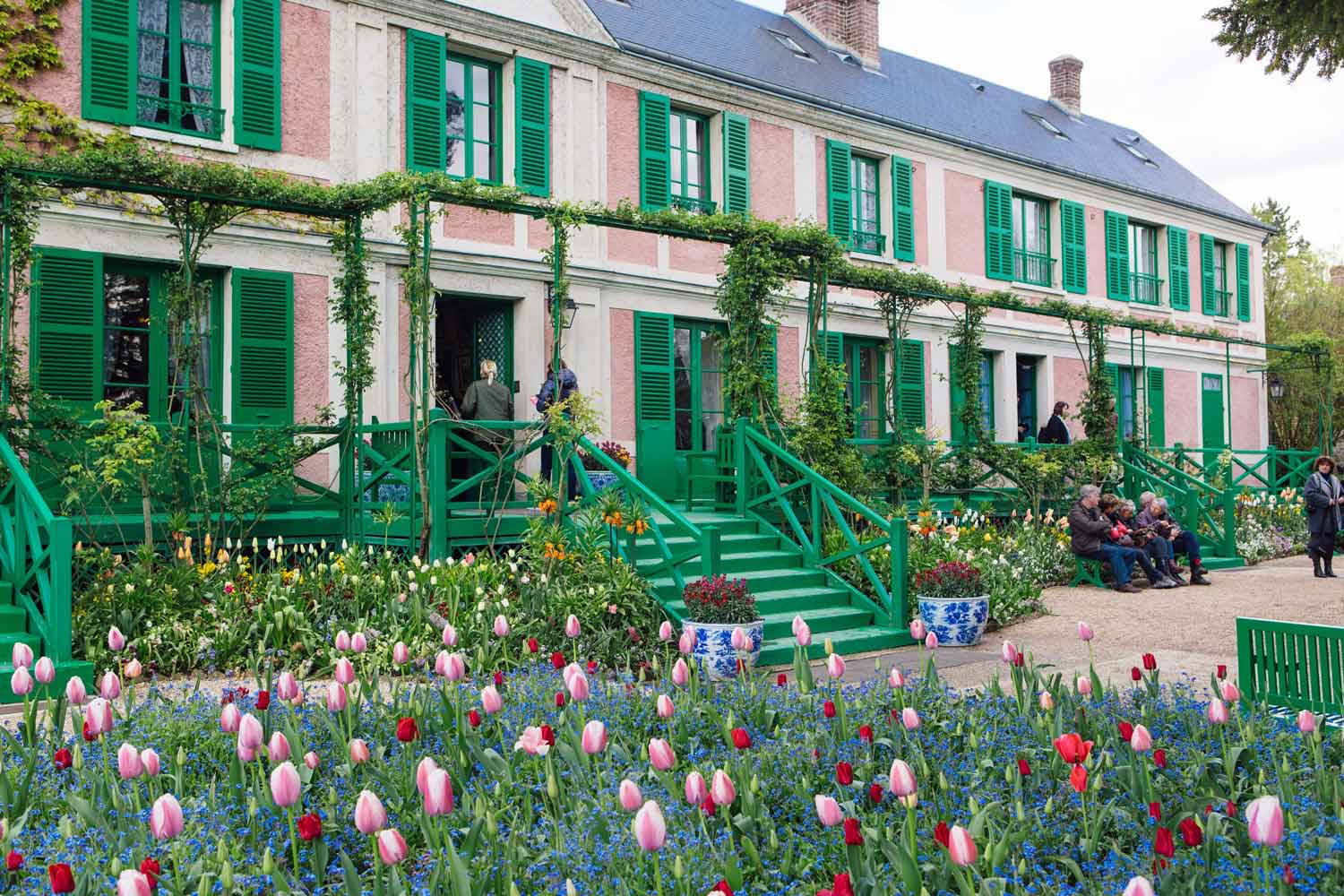
In 1883, Claude Monet discovered the village of Giverny during a train journey and was immediately captivated by its serene beauty. He decided to make it his home, purchasing a modest property surrounded by meadows and bordered by the Epte River. Over the years, Monet transformed this humble plot of land into a botanical paradise, meticulously designing every aspect of the garden to reflect his artistic sensibilities.
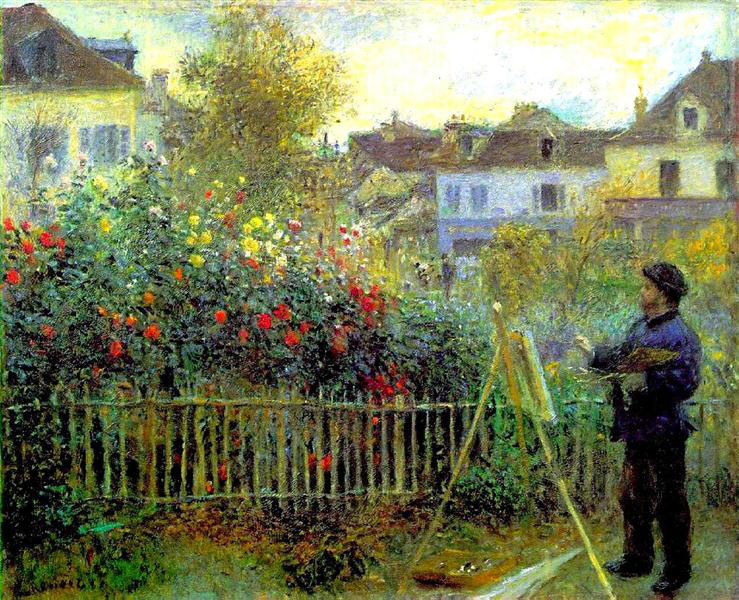
With the acquisition of his Giverny property, Monet embarked on a transformative journey, both personally and artistically. He set about redesigning the landscape, envisioning a garden that would not only serve as a source of inspiration but also as a living canvas for his artistic endeavors. Monet’s vision for Giverny was rooted in his desire to create a harmonious blend of nature and art, where the beauty of the landscape would merge seamlessly with his creative expression.
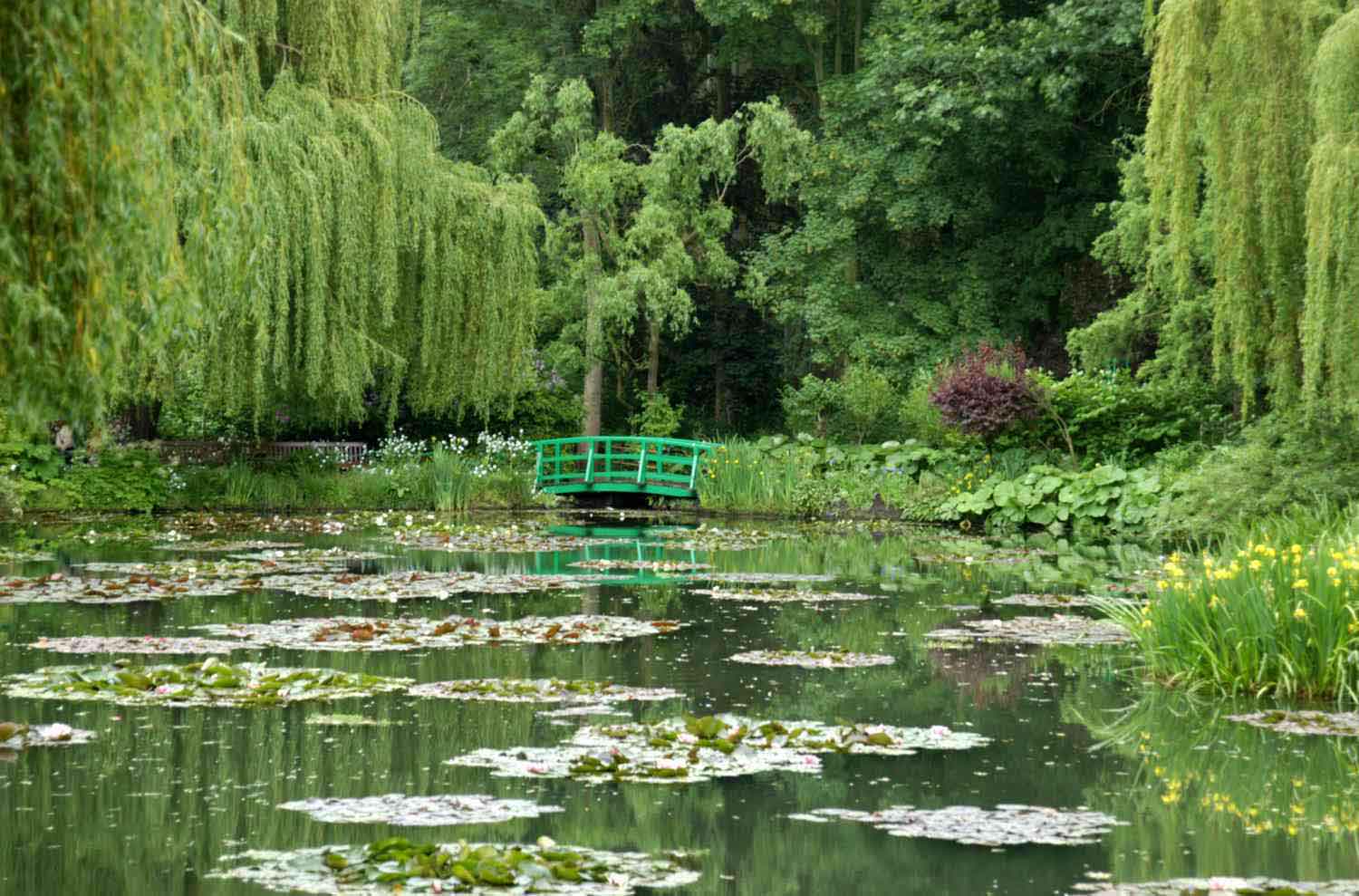
Monet’s meticulous approach to gardening mirrored his approach to painting. He carefully curated every aspect of the garden, from the placement of flowerbeds to the selection of plants and trees. Inspired by the Japanese gardens he had encountered in his travels, Monet incorporated elements such as the iconic Japanese footbridge and water lily pond, which would later become the focal points of his artistic compositions.
Today, Giverny stands as a living testament to Claude Monet’s artistic legacy and his profound love for nature. The restored gardens, meticulously maintained to preserve Monet’s original vision, continue to attract visitors from around the world. Giverny’s influence extends beyond the realm of art, inspiring gardeners, nature enthusiasts, and admirers of beauty to appreciate the harmonious relationship between humans and the natural world.
A Symphony of Colors
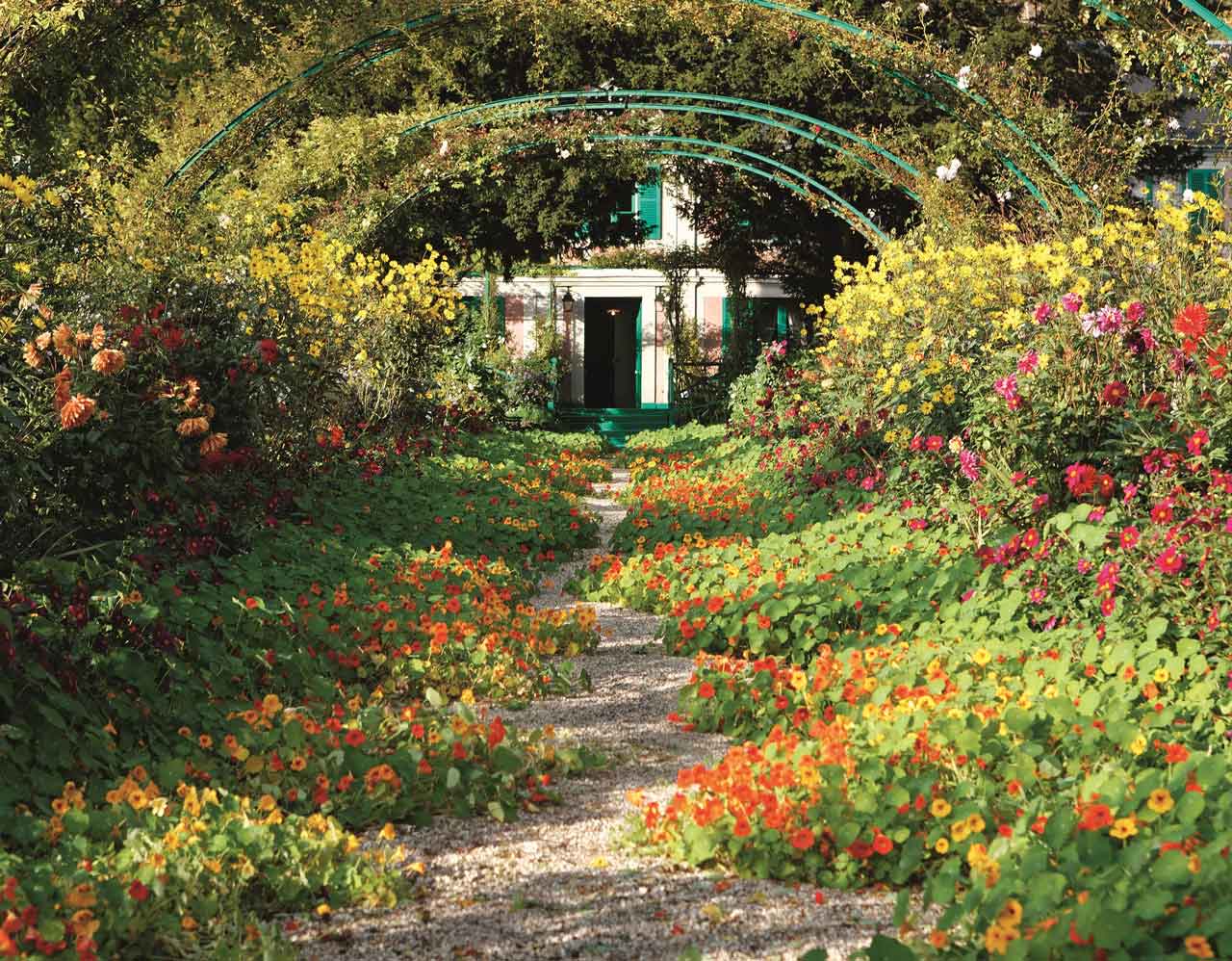
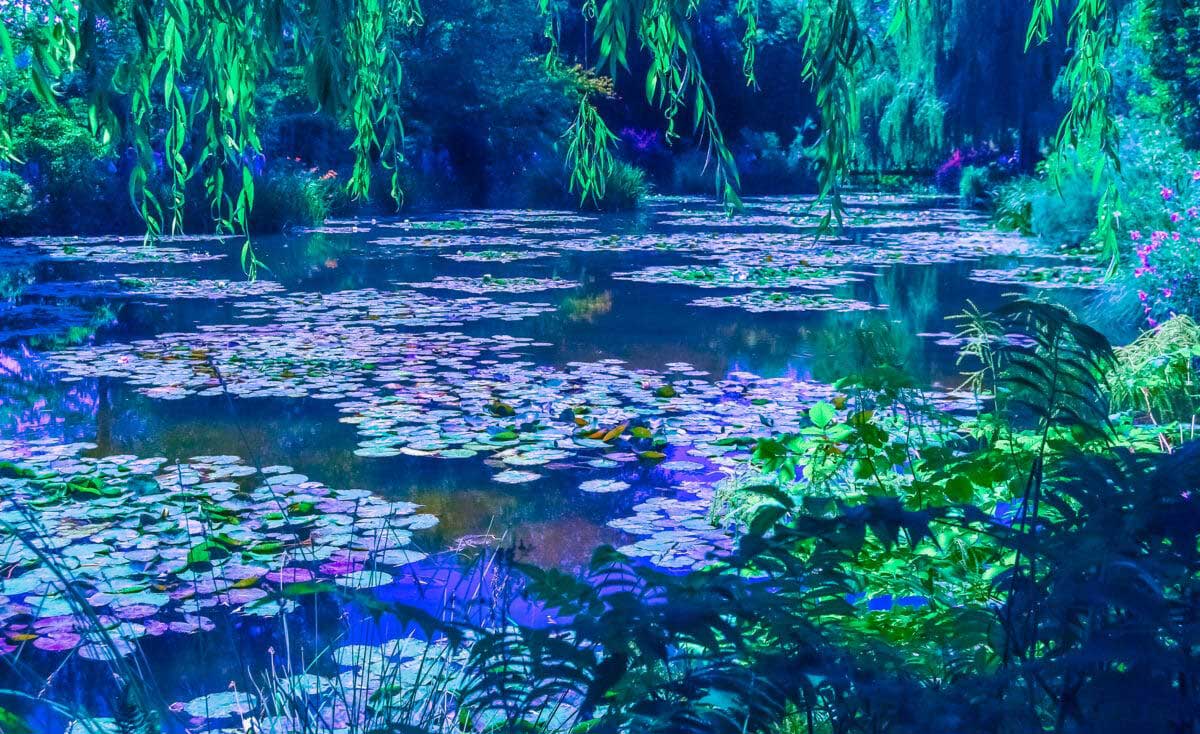
Monet’s garden at Giverny was a riot of colors, meticulously planned to create harmonious compositions that changed with the seasons. Flowerbeds bursting with vibrant blooms, including irises, lilies, roses, and poppies, provided an ever-changing palette for his artistic experiments. Monet’s keen observation of light and atmosphere was reflected in the way he arranged plants to capture the nuances of sunlight and shadow.
Monet’s Paintings
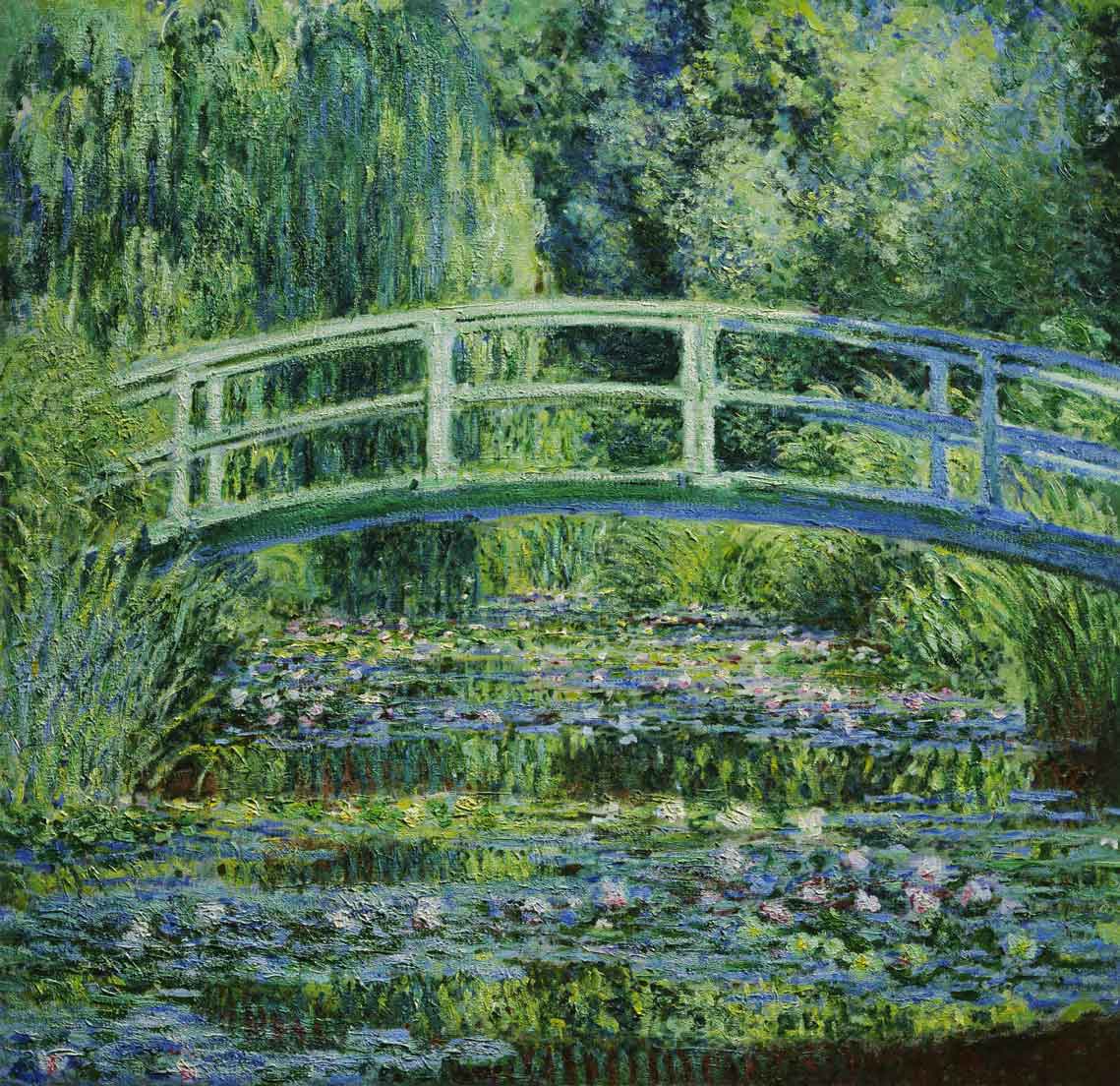
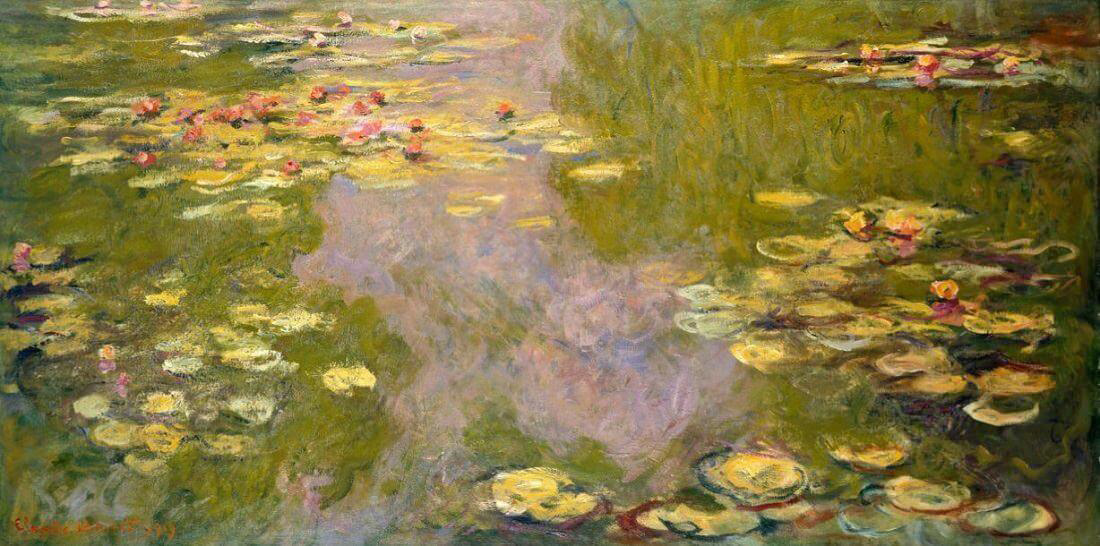
One of the most iconic features of Monet’s garden was the water lily pond, immortalized in his series of paintings depicting these aquatic plants in various light conditions. Monet carefully selected water lilies of different colors and sizes, creating a tranquil oasis that reflected the sky and surrounding foliage. The interplay of water, light, and reflections became a recurring motif in his later works, symbolizing tranquility and introspection.
Another notable feature of Giverny was the Japanese footbridge that spanned the water lily pond. Monet adorned the bridge with wisteria and climbing roses, creating a picturesque scene that became the subject of several of his paintings. The bridge served as a focal point, leading the viewer’s gaze into the depths of the garden and adding a sense of depth and perspective to his compositions.
Capturing Time and Seasons
Monet’s garden was not just a static backdrop but a dynamic environment that evolved with the passage of time and changing seasons. He captured this ephemeral beauty in his series paintings, depicting the same scene at different times of the day or year to explore the effects of light, weather, and growth cycles. Each painting became a visual diary of his garden’s transformation, from the vibrant colors of spring to the muted tones of winter.
Legacy of Inspiration
Claude Monet’s garden at Giverny not only inspired his own artistic genius but also continues to inspire artists, gardeners, and nature enthusiasts to this day. The carefully curated landscapes, bursts of floral colors, and harmonious compositions serve as a testament to the symbiotic relationship between art and nature. Visitors to Giverny can walk in Monet’s footsteps, experiencing firsthand the beauty that inspired some of the most iconic paintings in art history.
In conclusion, Claude Monet’s garden at Giverny was more than just a place of beauty; it was a living canvas where nature and art converged in perfect harmony. Through his meticulous cultivation and artistic vision, Monet transformed ordinary landscapes into extraordinary scenes that continue to captivate and inspire generations of admirers. His garden paintings not only capture the essence of Giverny but also reflect the timeless allure of nature’s beauty as seen through the eyes of a master Impressionist.
See more / content via: https://www.homegardencompanion.com