Royal Botanical Gardens
A Global Collection
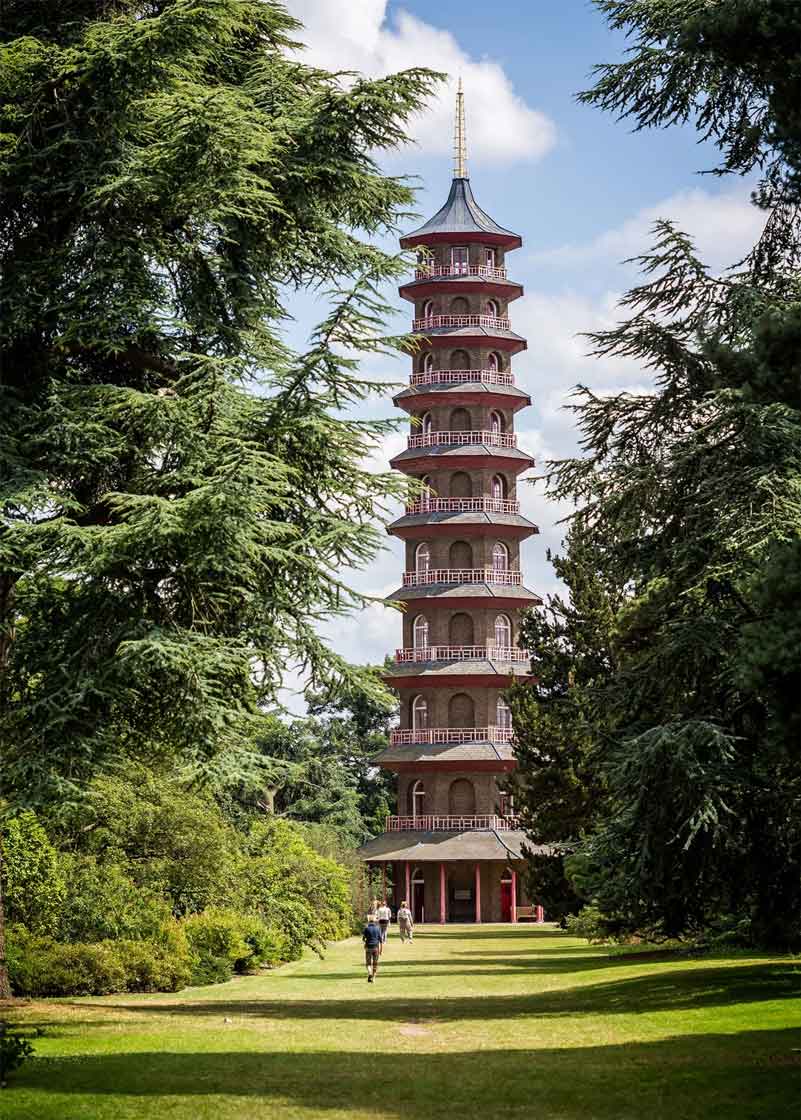
Step into Kew Gardens and be transported around the world without leaving London. With over 50,000 living plants and a vast herbarium collection, Kew boasts one of the most extensive and diverse plant collections on the planet. From towering redwoods to delicate orchids, from ancient cycads to exotic carnivorous plants, every corner of Kew Gardens is a testament to the richness of global flora. Whether you’re fascinated by rare species or drawn to familiar garden favorites, Kew offers a botanical adventure like no other.
Tropical Glasshouses
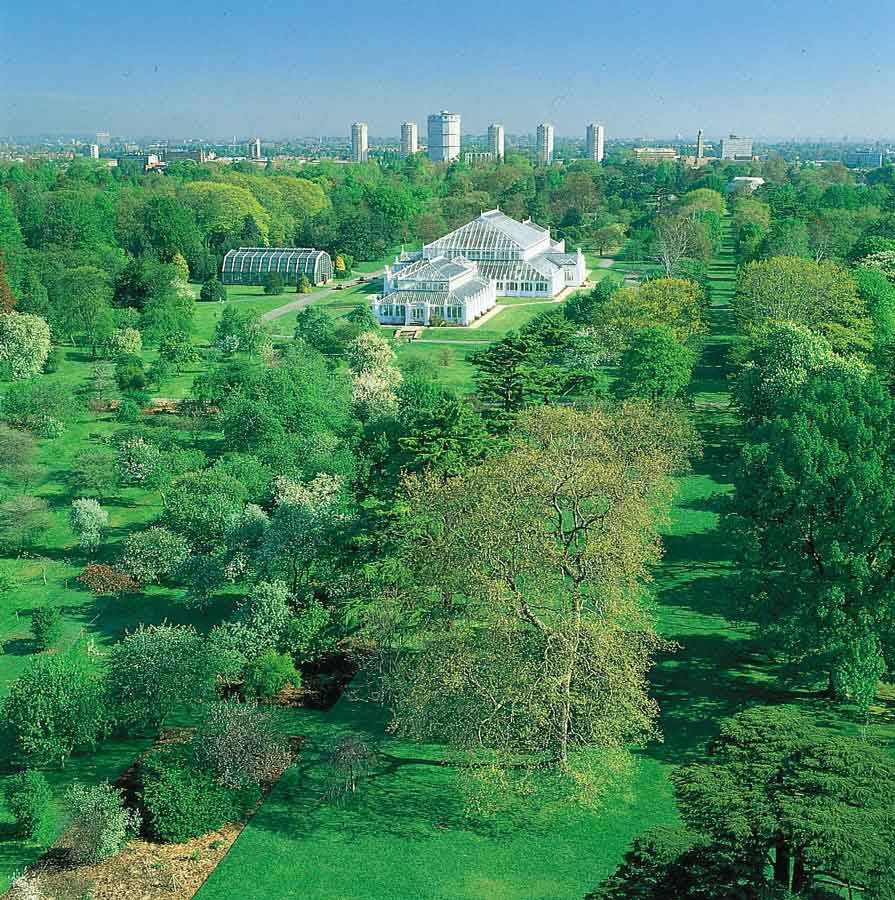
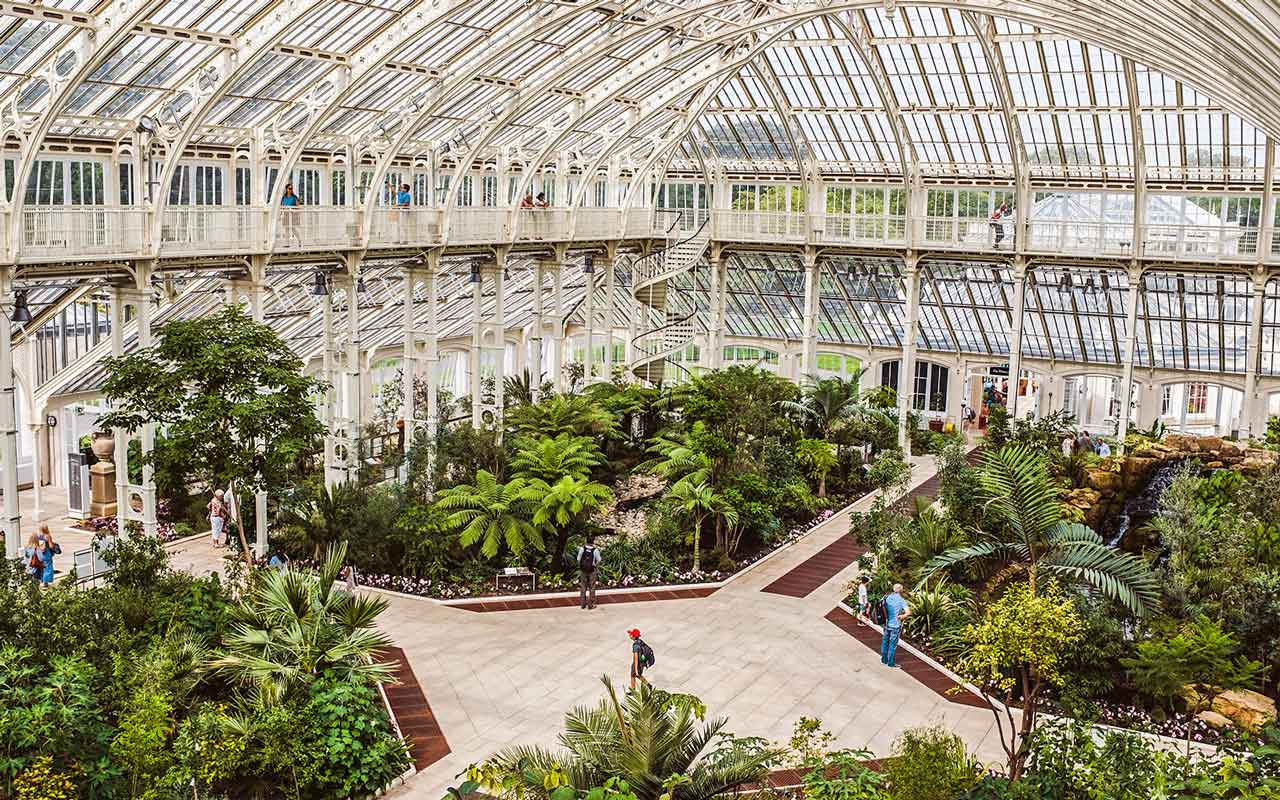
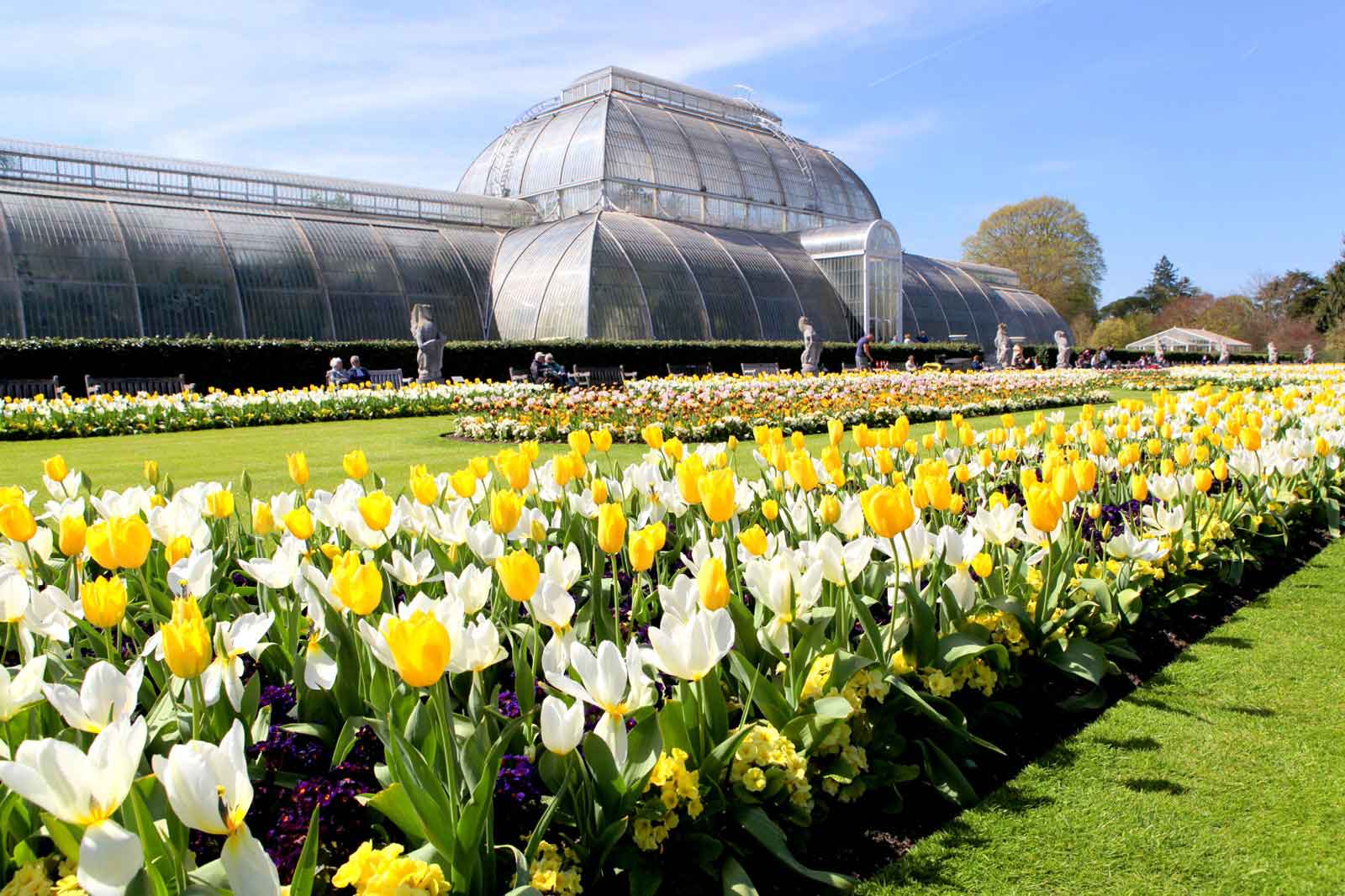
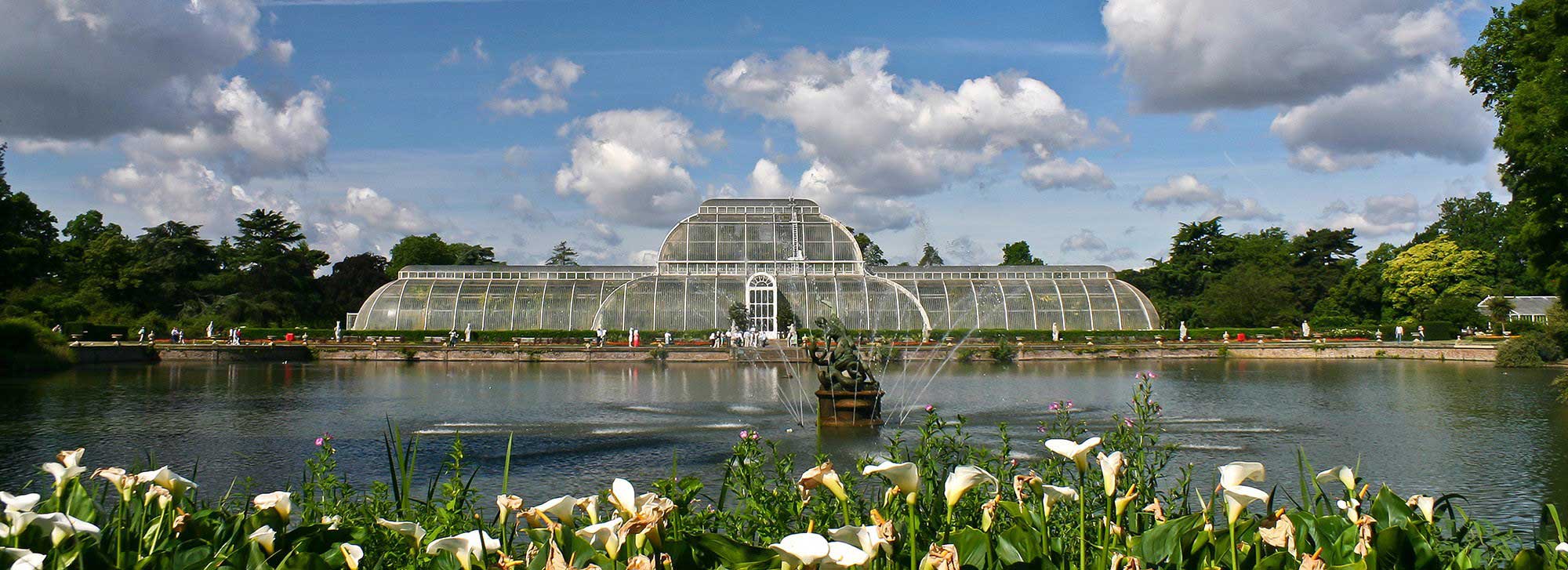
One of the highlights of Kew Gardens is its collection of tropical glasshouses, where visitors can immerse themselves in the sights, scents, and sounds of tropical ecosystems. The iconic Palm House, designed by Decimus Burton, is a Victorian marvel housing towering palms from around the world. As you enter this glass palace, you’ll be greeted by a lush oasis of greenery, with ferns, cycads, and tropical climbers creating a verdant canopy overhead. The Palm House also features a walkway at canopy level, allowing visitors to experience the treetops from a unique perspective.
Another gem of Kew’s glasshouse collection is the Princess of Wales Conservatory, a modern structure that houses a diverse range of plant environments under one roof. From the arid deserts of Africa and America to the steamy tropics of Southeast Asia, each section of the conservatory showcases plants adapted to different climates and conditions. Orchid enthusiasts will be delighted by the Orchid Festival held annually in the Princess of Wales Conservatory, where rare and exotic orchids from around the world take center stage in a riot of colors and shapes.
Seasonal Splendor
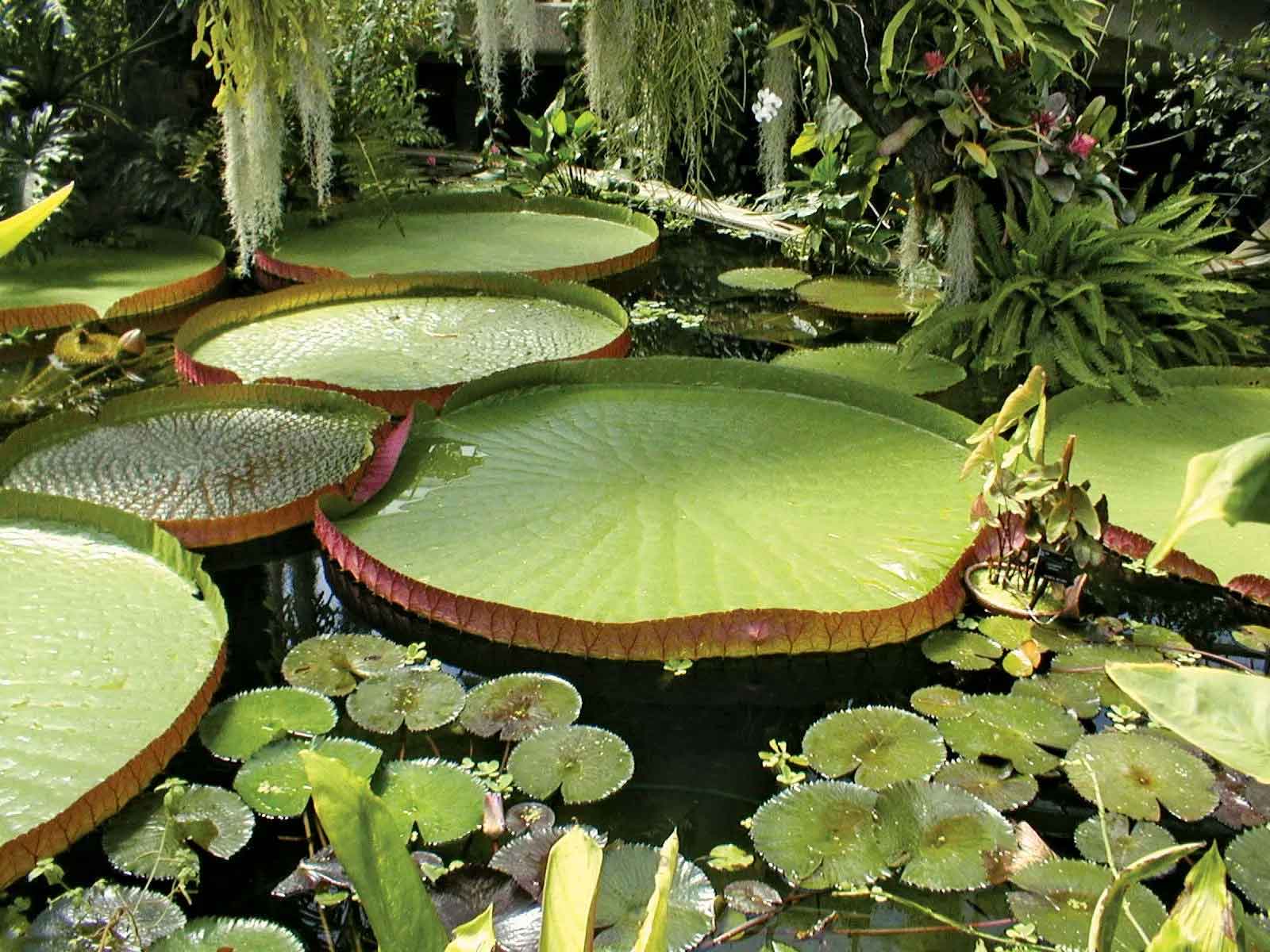
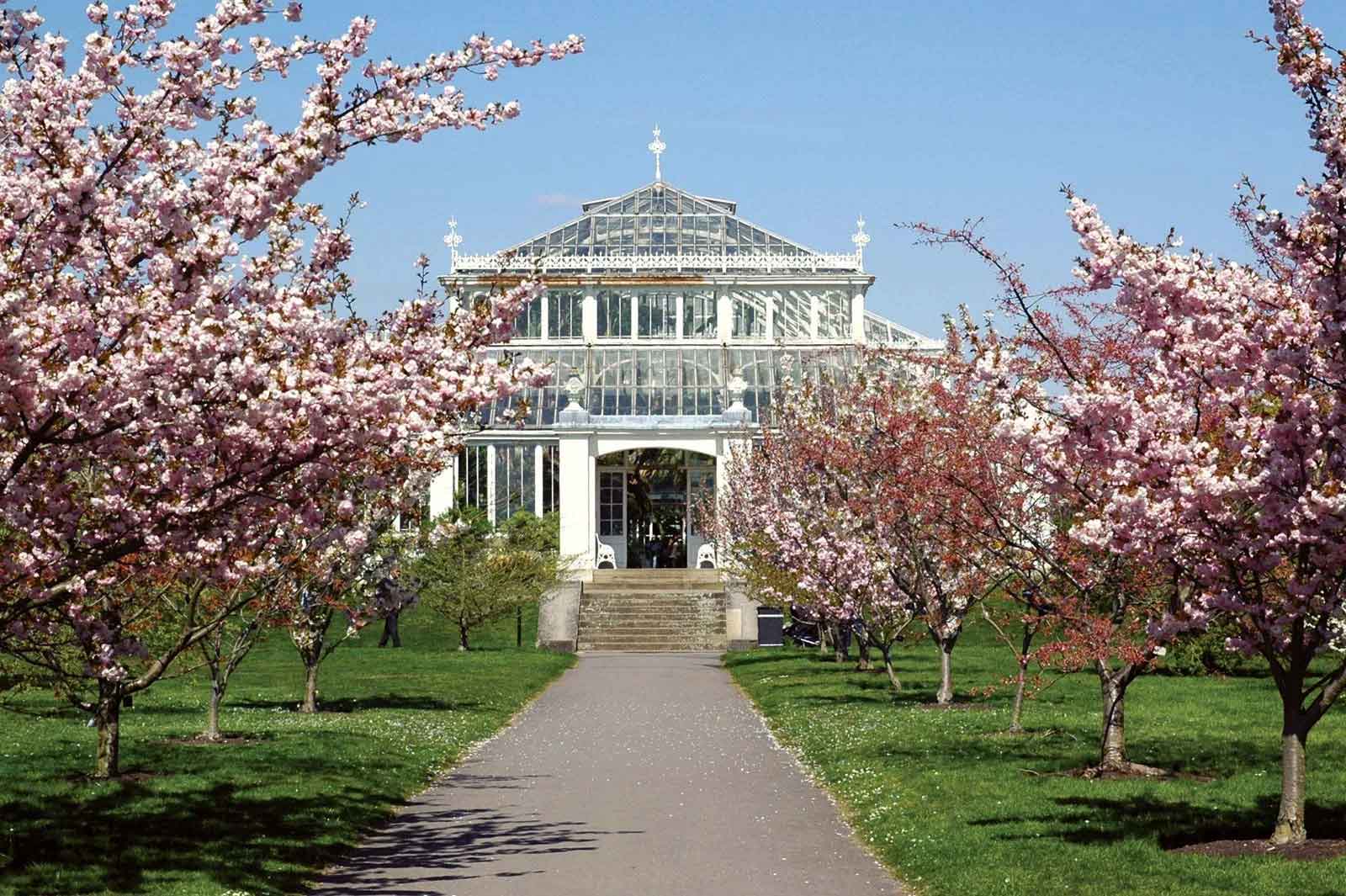
Throughout the year, Kew Gardens transforms with the seasons, offering visitors a kaleidoscope of botanical beauty. In spring, vibrant bulbs carpet the ground, with daffodils, tulips, and hyacinths creating a riot of colors. The cherry blossoms in the Japanese Garden and the magnolias near the Palm House add to the springtime spectacle. Summer brings lush foliage, with roses, irises, and herbaceous borders bursting into bloom. The Waterlily House becomes a tranquil haven adorned with floating blooms, while the Arboretum showcases a canopy of greenery.
Autumn paints the gardens in rich hues of reds, oranges, and golds as the leaves of maples, oaks, and liquidambars turn fiery. The Woodland Garden takes on a magical quality with its carpet of autumnal leaves and the glow of woodland plants. Winter at Kew is no less enchanting, with festive lights illuminating the landscape and the Temperate House providing a refuge of warmth and greenery. Seasonal events such as Christmas at Kew and Orchids at Kew add extra charm to the gardens throughout the year.
Themed Gardens
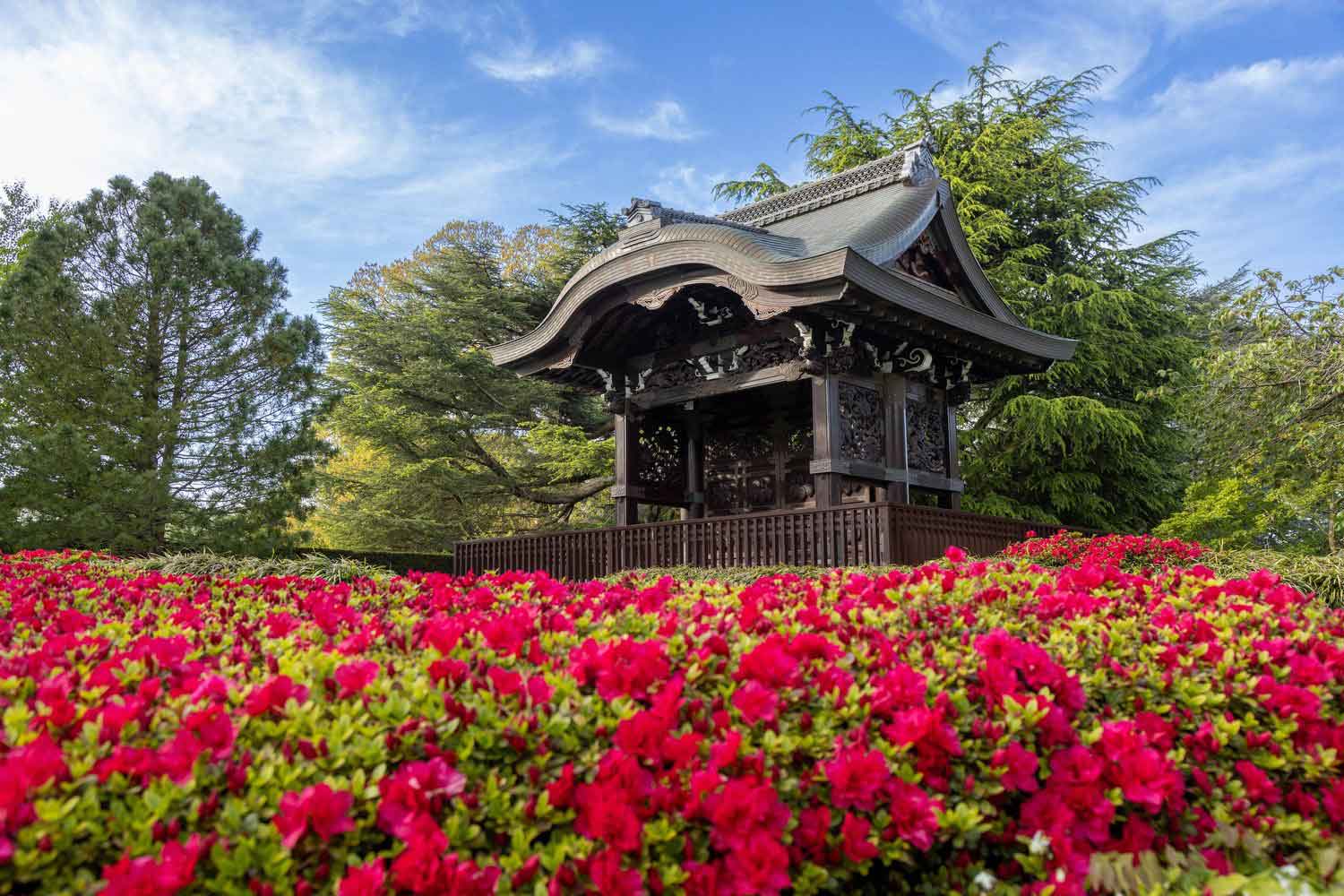
Beyond its seasonal displays, Kew Gardens is home to themed gardens that offer a deeper exploration of specific plant families, habitats, or historical periods. The Japanese Garden, designed in traditional style with stone lanterns, wooden bridges, and tranquil ponds, showcases a collection of Japanese plants such as acers, azaleas, and bamboos. The Waterlily Pond, inspired by Monet’s Giverny, is a serene oasis featuring a variety of water lilies, lotus flowers, and aquatic plants.
The Woodland Garden, nestled in a secluded corner of Kew, is a haven for native British flora, with woodland plants, ferns, and mosses creating a naturalistic woodland scene. The Rhododendron Dell bursts into bloom in spring with a riot of colorful rhododendrons and azaleas, while the Rock Garden showcases alpine plants and succulents in a rugged landscape. Each themed garden at Kew offers a unique experience and a chance to delve deeper into the world of plants.
Conservation and Education
Beyond its beauty, Kew Gardens plays a vital role in plant conservation, scientific research, and education. The gardens’ scientists and horticulturists work tirelessly to study and protect plant species, tackle environmental challenges, and promote sustainable practices. Kew’s Millennium Seed Bank Partnership, located at Wakehurst in West Sussex, is the largest wild plant seed bank in the world, safeguarding seeds from around the globe for future generations.
Visitors to Kew Gardens can engage with a range of educational programs, workshops, and exhibitions that highlight the importance of plant conservation and biodiversity. From guided tours and talks to interactive displays and family-friendly activities, Kew offers opportunities for visitors of all ages to learn about plants, ecosystems, and the interconnectedness of life on Earth.
A visit to Kew Gardens is not just a sightseeing experience; it’s a journey of wonder, learning, and appreciation for the natural world. Whether you’re a botany enthusiast, a nature lover, or simply seeking tranquility amidst lush greenery, Kew Gardens offers a sanctuary where the beauty and diversity of plants come to life. Explore the global collection, wander through tropical glasshouses, marvel at seasonal displays, and immerse yourself in themed gardens – each visit to Kew is a unique adventure waiting to be discovered. Plan your trip to Kew Gardens and let the botanical marvels unfold before your eyes.
See more / content via: https://www.kew.org/kew-gardens