The Poignant Lens
Blurry Botanical Photography and Climate Change
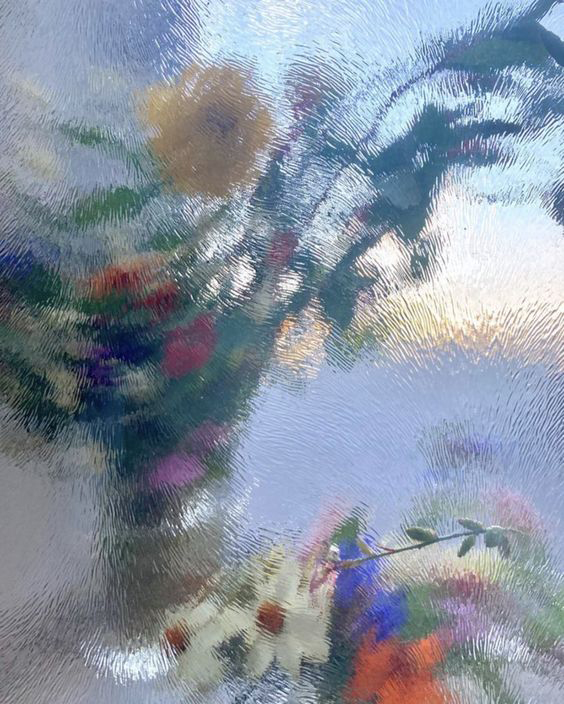
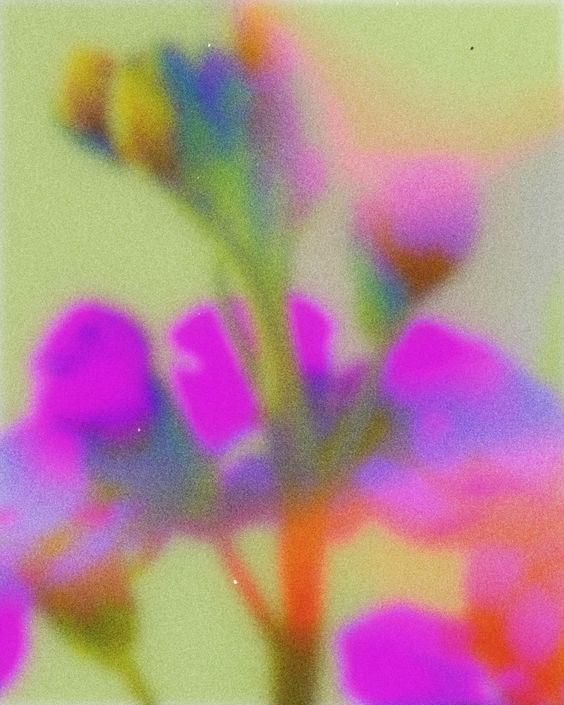
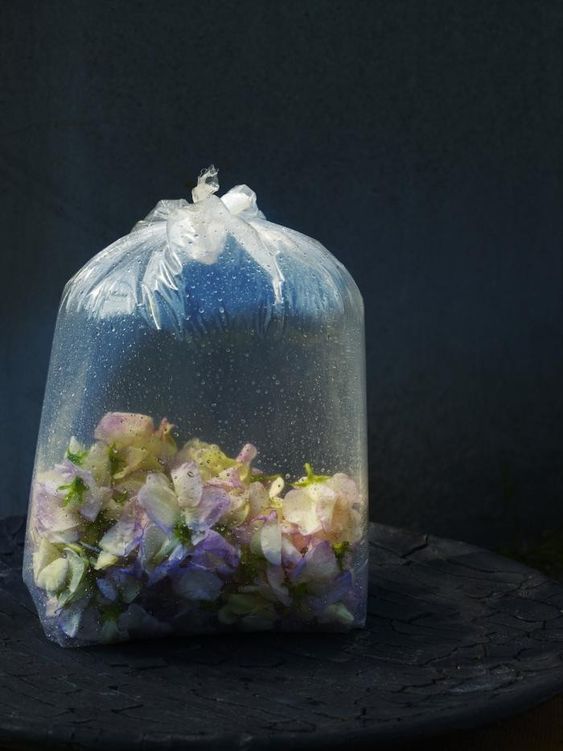
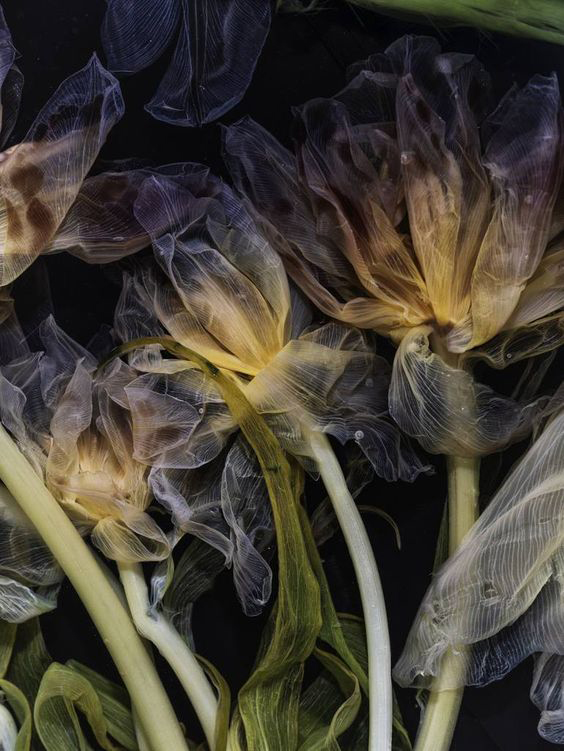
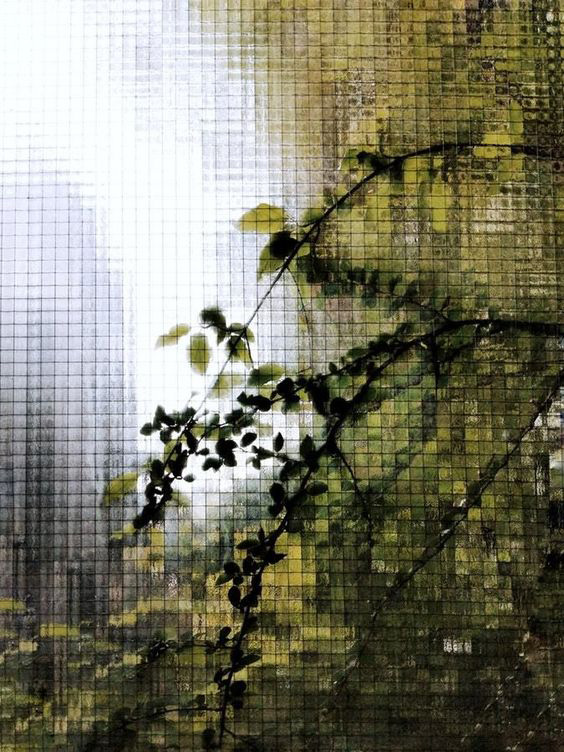
In the realm of photography, the use of out-of-focus or blurry techniques can evoke powerful emotions and narratives. When applied to botanical flower photography, this artistic choice takes on a deeper significance, serving as a poignant visual metaphor for the impact of climate change on our natural world. Let’s explore the work of five photographers who employ blurry botanical photography to illustrate the profound effects of environmental shifts and the urgency of climate action.
Emma Woods: Fading Fragility
Emma Woods’ blurry botanical photography captures the delicate beauty of flowers while hinting at their fading fragility in the face of climate change. By intentionally blurring the focal point, Woods creates an ethereal and transient quality in her images, symbolizing the ephemeral nature of floral ecosystems under environmental stress. Her photographs invite viewers to contemplate the fleeting beauty of nature and the urgent need for conservation efforts to protect these precious floral treasures.
Diego Martinez: Distorted Realities
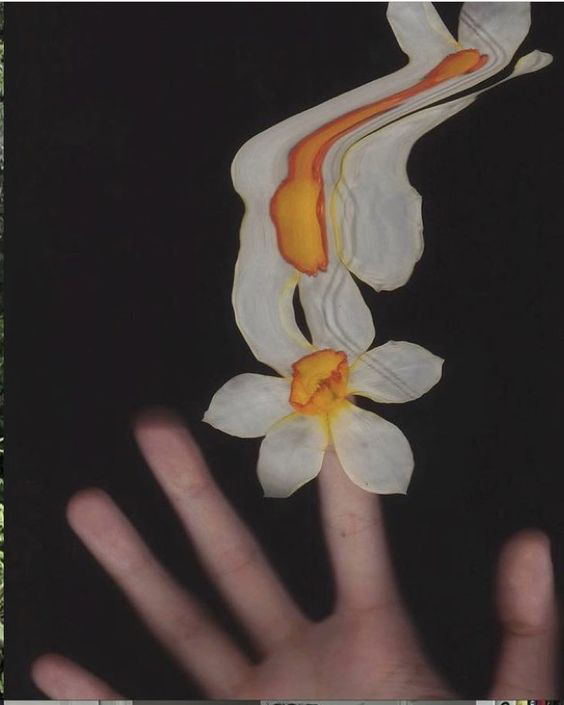
Diego Martinez’s use of blurry techniques in botanical photography creates distorted realities that mirror the disruptions caused by climate change. Through intentional blurring and distortion of floral subjects, Martinez conveys a sense of disorientation and imbalance, highlighting the destabilizing effects of environmental shifts on plant life. His photographs serve as visual metaphors for the altered landscapes and ecological challenges faced by flora in a changing climate.
Ava Chen: Vanishing Perspectives
Ava Chen’s blurry botanical photography explores vanishing perspectives, portraying flowers in a state of flux and transition. Chen’s intentional blurring of backgrounds and focal points symbolizes the disappearing habitats and shifting ecosystems experienced by plant species due to climate change. Her images prompt viewers to consider the rapidly changing landscapes and the urgent need for biodiversity conservation to preserve these disappearing perspectives.
Leo Nguyen: Obscured Elegance
Leo Nguyen’s blurry botanical photography captures obscured elegance, showcasing the hidden beauty and vulnerability of flowers in a warming world. Through soft focus and subtle blurring, Nguyen creates a sense of mystery and introspection, inviting viewers to look beyond the surface and appreciate the intricacies of plant life threatened by environmental challenges. His photographs convey a message of resilience and the need to protect the elegance that is often obscured by climate-related disruptions.
Sofia Patel: Melancholic Blooms
Sofia Patel’s blurry botanical photography portrays melancholic blooms, reflecting the somber mood and contemplative atmosphere of ecosystems under climate stress. Patel’s use of soft focus and blurred edges conveys a sense of fading vitality and muted vibrancy, underscoring the somber reality of declining floral diversity and habitat loss. Her photographs serve as a visual elegy for the vanishing beauty of flora and the urgent call to address climate change to preserve these melancholic blooms.
A Call to Action
Through the lens of blurry botanical photography, these photographers offer a compelling narrative on the impact of climate change on floral ecosystems. Their images serve as poignant reminders of the fragility, distortion, transition, obscurity, and melancholy that characterize the challenges faced by plant life in a changing world. Ultimately, these photographs are a call to action, urging viewers to take meaningful steps towards environmental stewardship and climate resilience to protect the natural wonders captured in these evocative images.
The disappearing perspectives, distorted realities, and obscured elegance depicted in these artworks reflect the broader challenges faced by plant life and wildlife globally. Species extinction, habitat loss, and ecosystem degradation are stark realities that demand immediate attention and concerted efforts from individuals, communities, governments, and organizations worldwide.
Conservation initiatives, sustainable practices, and climate resilience strategies are crucial components of the solution. We must prioritize biodiversity conservation, reforestation efforts, and the reduction of greenhouse gas emissions to mitigate the impacts of climate change on our flora and fauna.
Education and awareness also play pivotal roles in fostering a deeper appreciation for nature and instilling a sense of responsibility towards environmental stewardship. By engaging in conversations, supporting scientific research, and advocating for policy changes that prioritize environmental protection, we can collectively make a difference.
See more / content via: https://www.nrdc.org/stories/how-you-can-stop-global-warming