Nature Overtaking Humanity
A World Without Humans
The notion of what the world would look like if humans were to vanish has been explored extensively by scientists, as well as many post-apocalyptic movies.
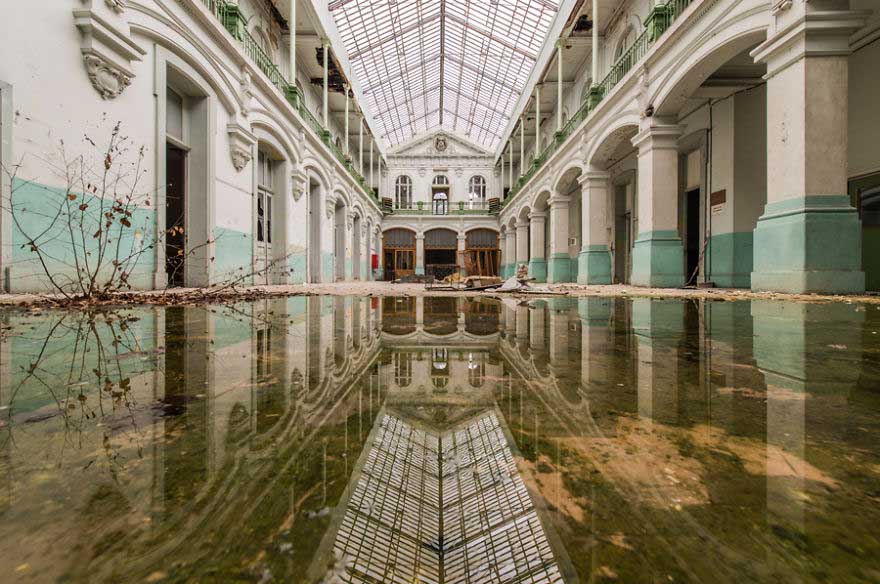
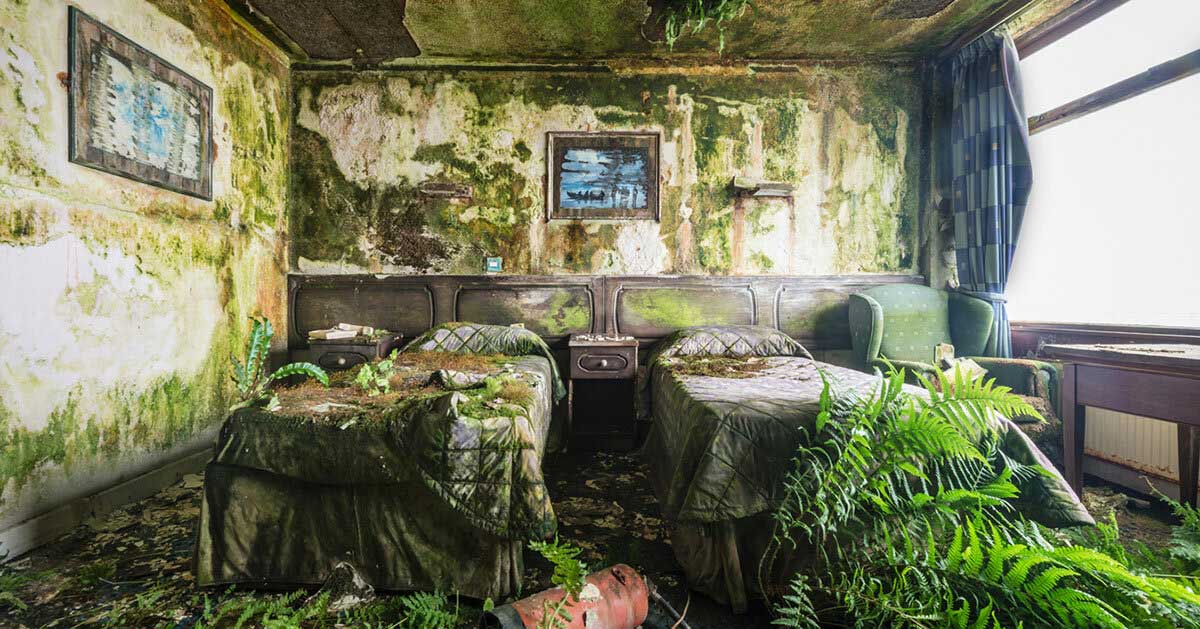
However, French photographer Romain Veillon is making it his mission to capture in pictures the potential result of a planet without people.
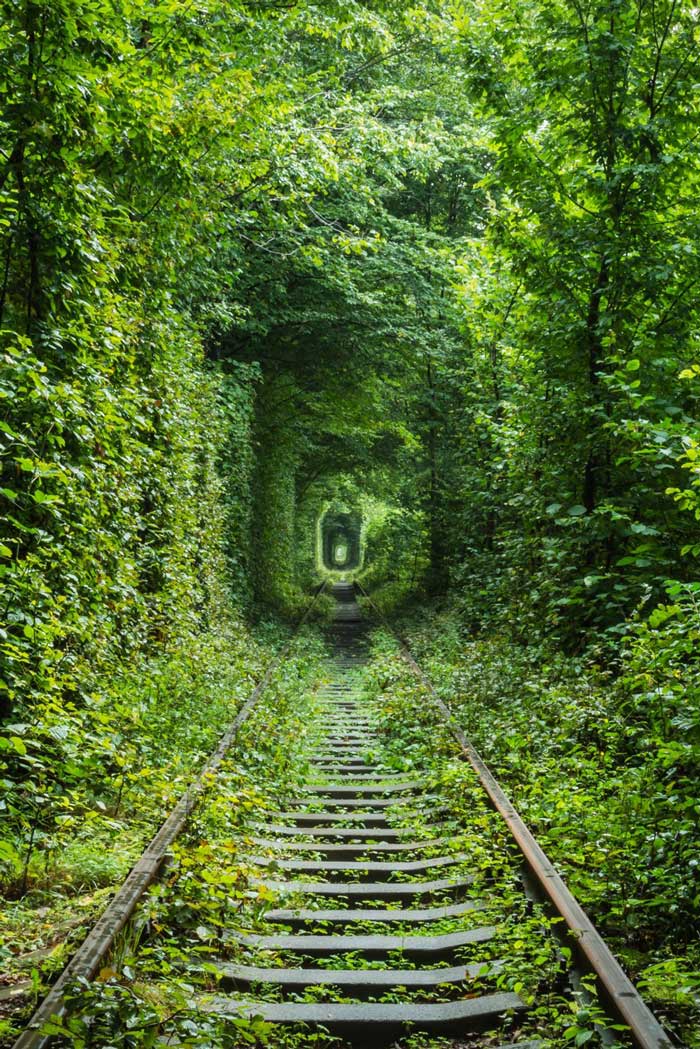
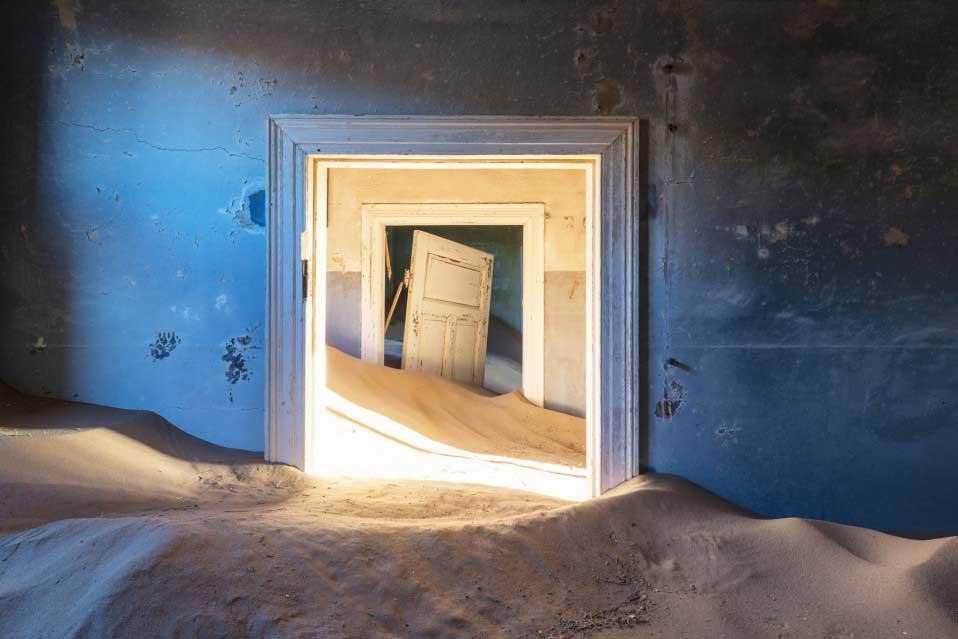
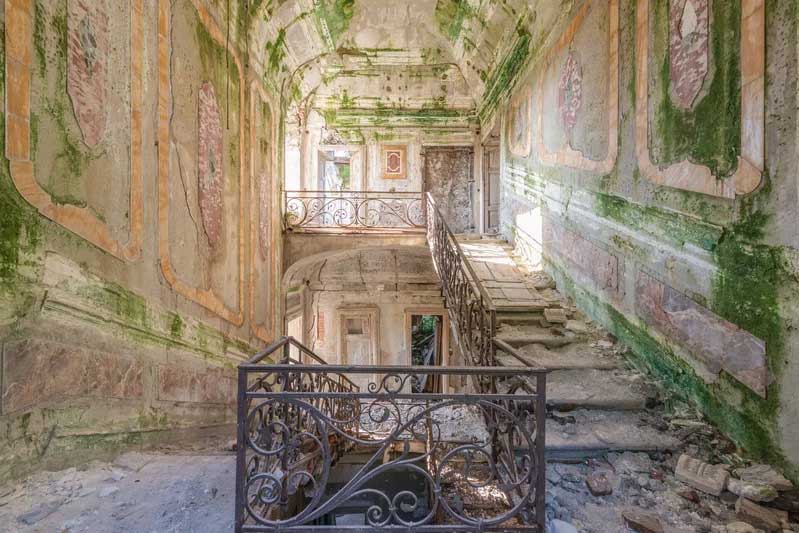
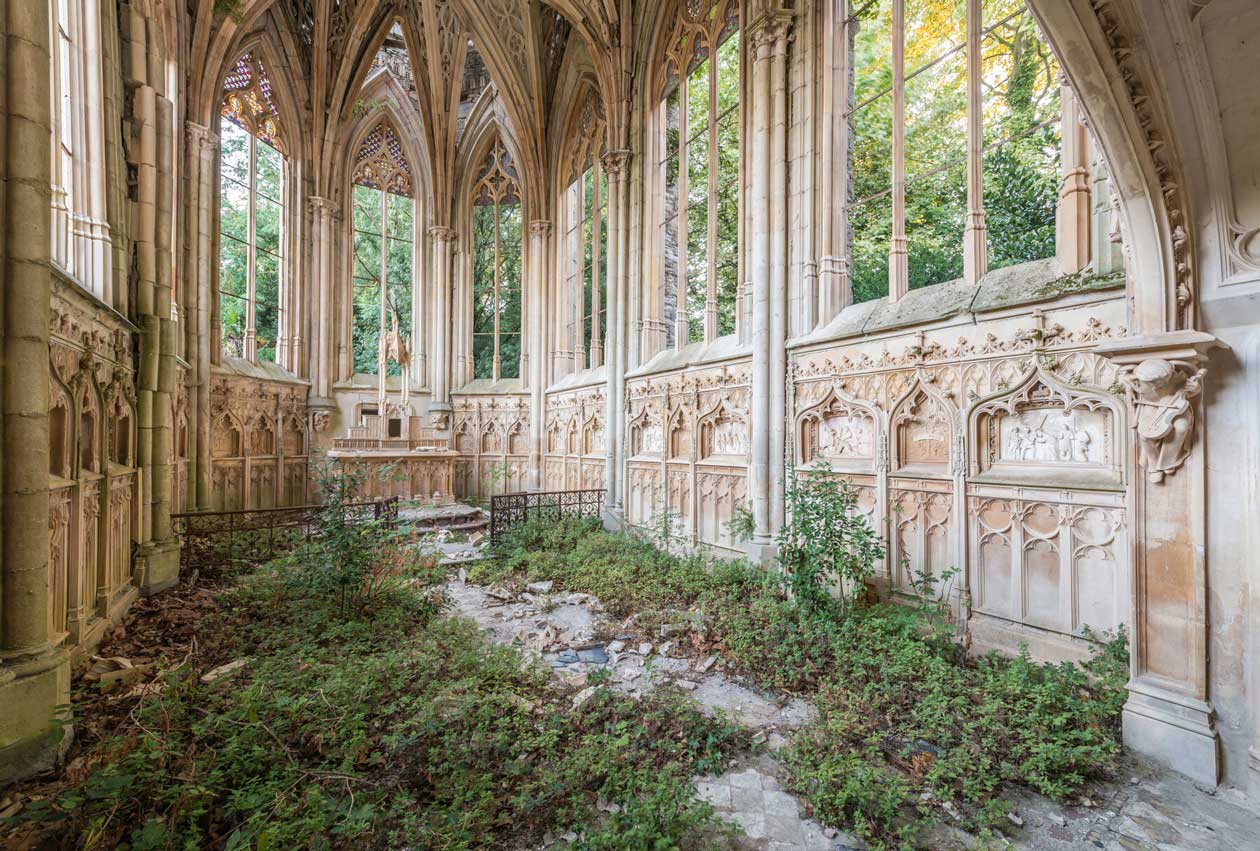
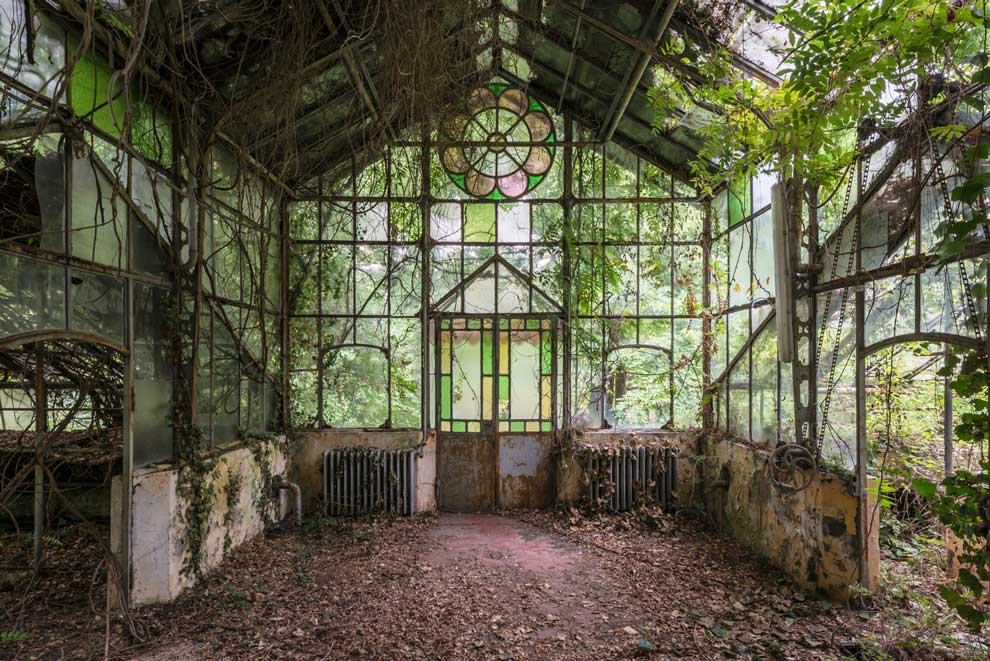
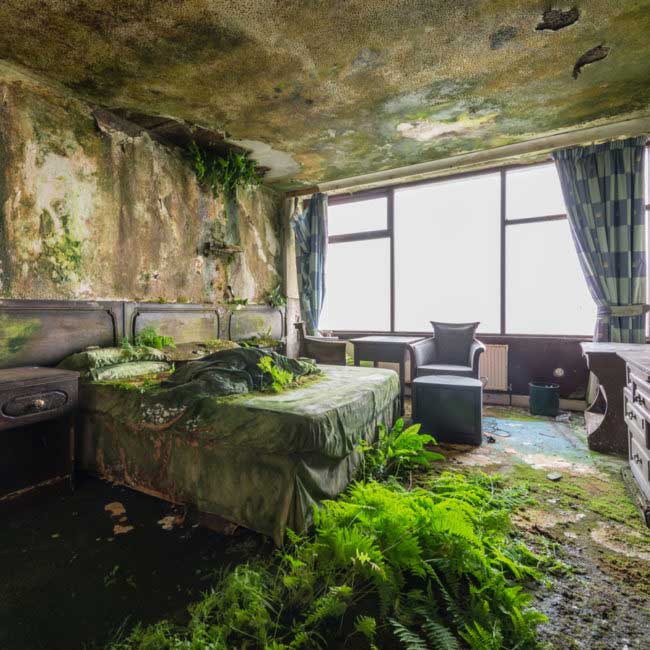
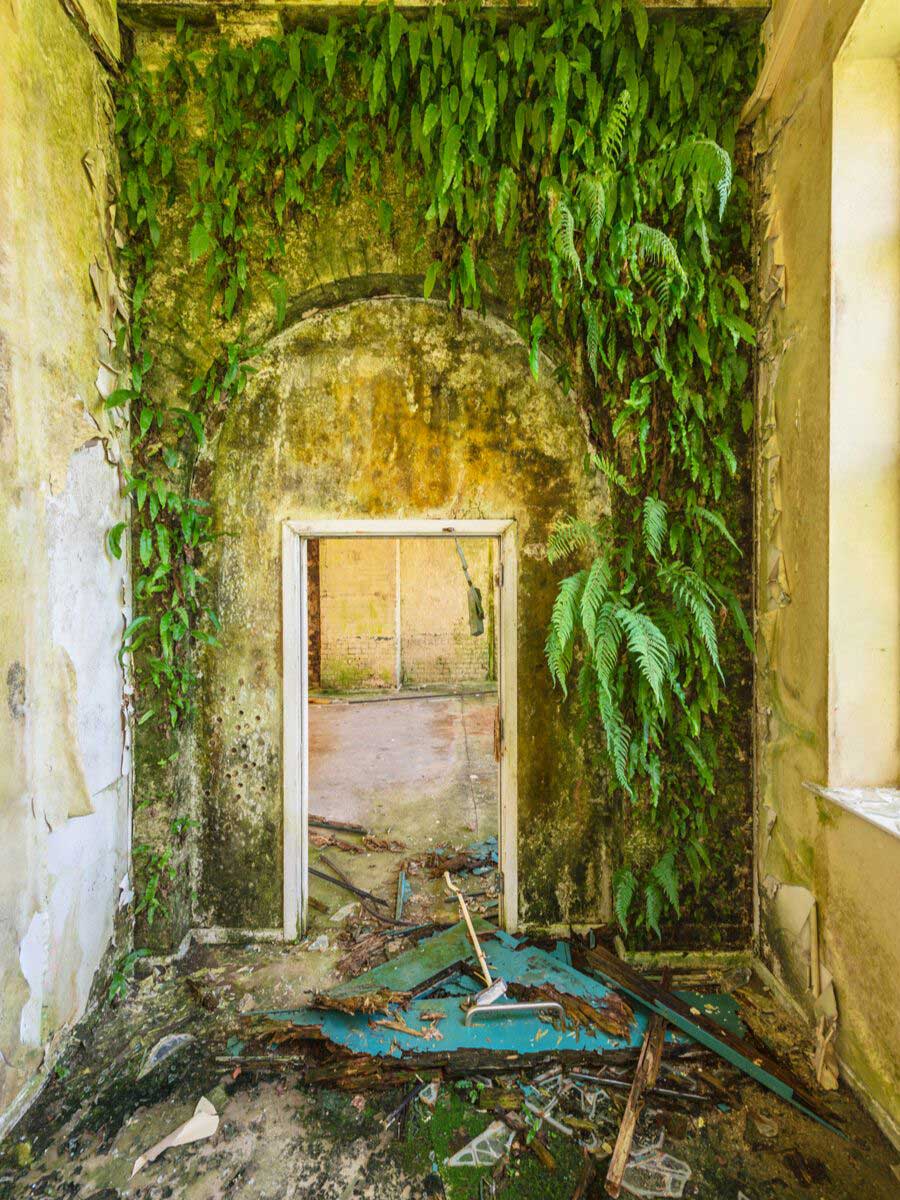
The 38-year-old has spent years photographing abandoned places around the world that have been overtaken by nature, with eerily beautiful results.
For his recent book “Green Urbex: The World Without Us,” released in 2021, he shot a series of deserted and/or forgotten spots, including a ghost town in Namibia, an abandoned cinema in Brussels, a dilapidated Tuscan villa and a disused railway track in Ukraine.
Veillion’ Photos
Veillon, who is working on the second volume of the book, hopes the haunting images will serve as a reminder of the “necessity to live in harmony with our habitat,” as well as highlight the importance of working with rather than against nature.
“We are all fascinated by this post-apocalyptic vision,” he says. “Maybe we need to be the witness of that to enjoy what we have and the time in front of us.”
The book, which is only available in French at present, is divided into three different sections. The first showcases deserted places that remain relatively well preserved and the second focuses on dilapidated sites in a far worse state.
Finally, the third section is made of images of long-forgotten places that have been completely overrun by vegetation.
The Impacts of “Ruin Porn”
The relentless force of nature reclaiming abandoned or forgotten buildings is a captivating spectacle that highlights the resilience and power of the natural world. From crumbling structures to forgotten ruins, the process of nature overtaking buildings unfolds like a mesmerizing dance, showcasing the delicate balance between human creation and natural forces.
One of the most striking aspects of nature overtaking buildings is the gradual transformation that takes place over time. Initially, small signs of nature’s encroachment may go unnoticed — a few weeds breaking through cracks in the pavement, vines creeping up walls, or moss spreading across neglected surfaces. However, as time passes, these subtle beginnings evolve into dramatic scenes of greenery engulfing entire facades, trees growing through rooftops, and ivy weaving intricate patterns over once-solid structures.
The process of nature reclaiming buildings is a testament to the Earth’s ability to heal and regenerate. Abandoned spaces, once symbols of neglect and decay, become vibrant ecosystems teeming with life. Trees and plants take root in unexpected places, creating a harmonious coexistence between man-made architecture and natural flora.
One of the most iconic examples of nature overtaking buildings is the phenomenon of “ruin porn,” where abandoned structures such as factories, schools, and homes are gradually consumed by vegetation. These sites become not just remnants of the past but also living artworks, where the interplay of light and shadow, textures, and colors creates a hauntingly beautiful spectacle.
See more / content via: https://www.cnn.com