The Herbal Bed
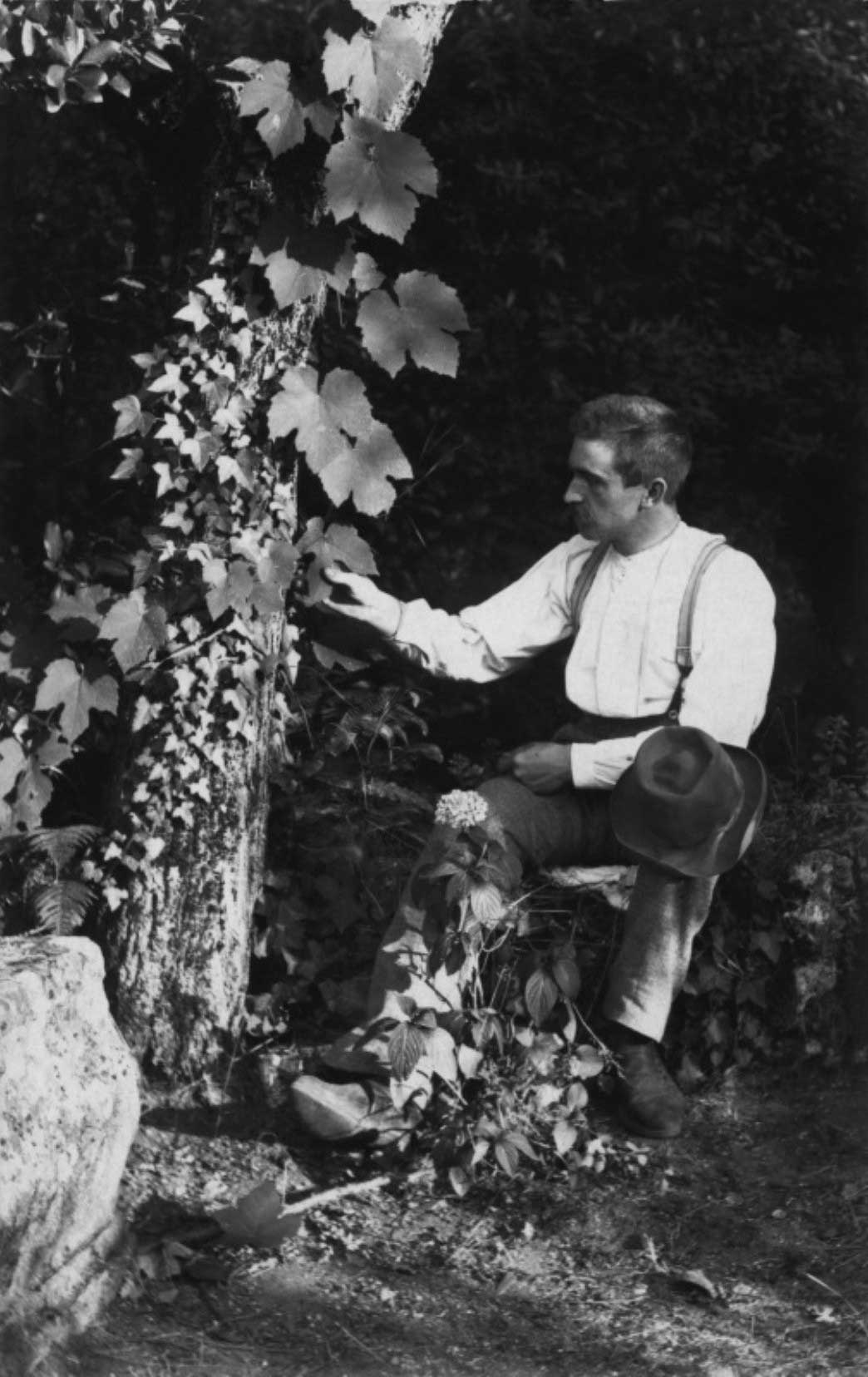
Who was Blossfeldt?
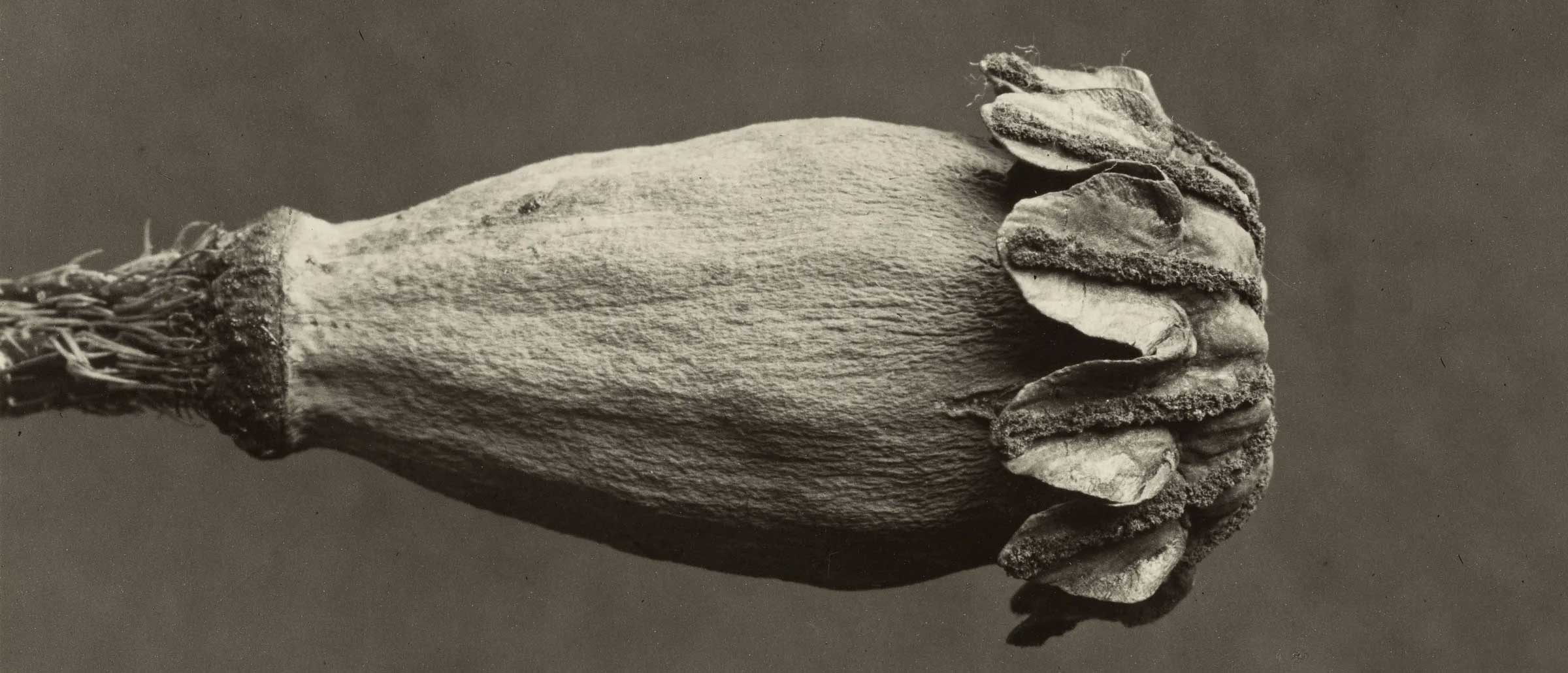
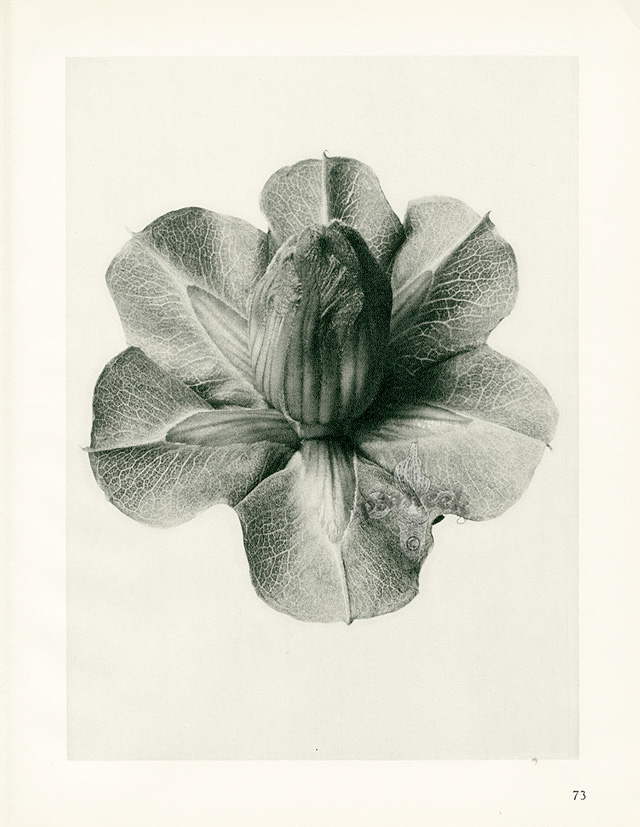
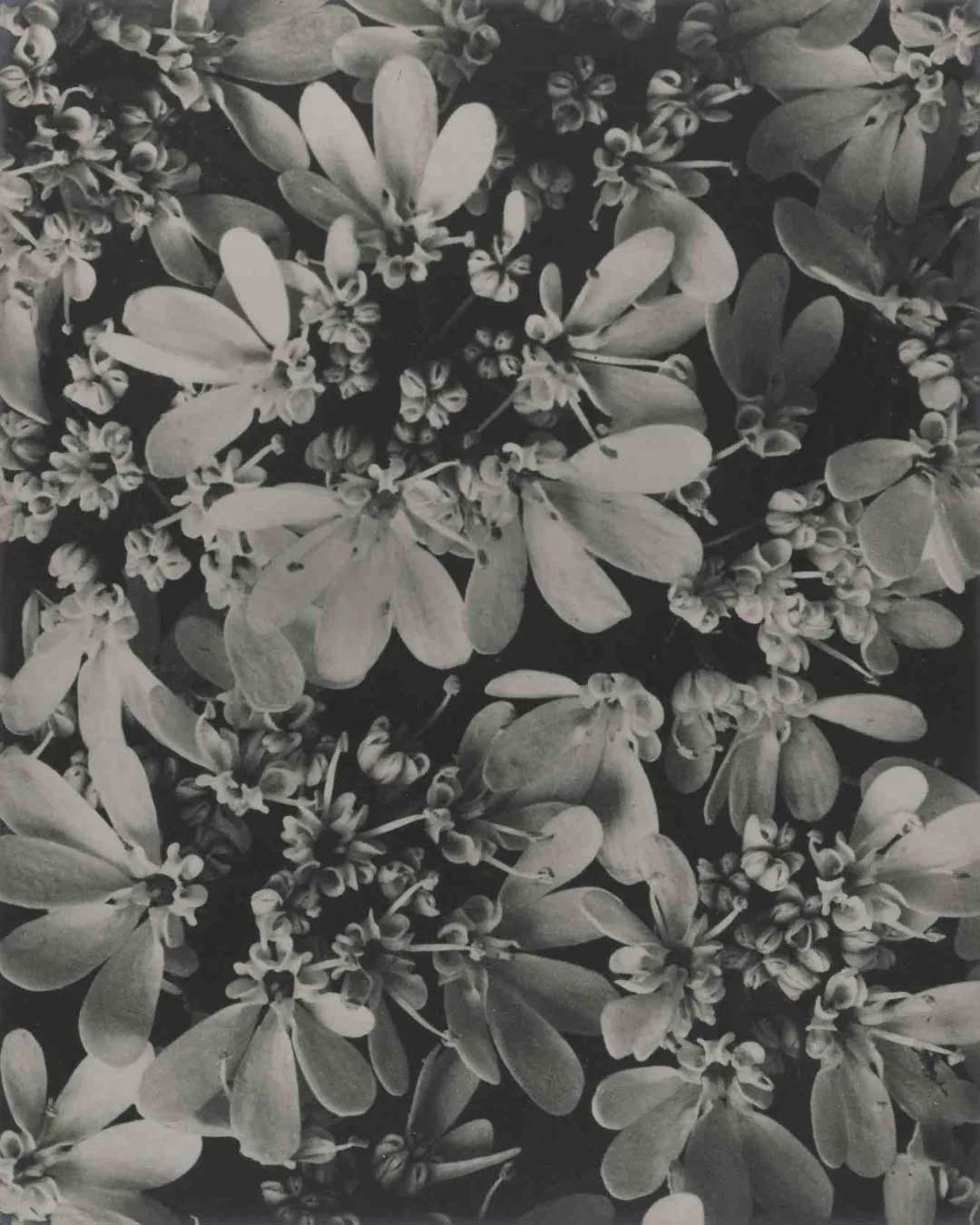
Karl Blossfeldt was a German photographer – an “accidental” one, at that. Blossfeldt was actually a sculpture and design professor at his alma mater, The Royal School of the Museum of Decorative Arts. As a professor, he was challenged with finding a way to teach his students about the morphology of plants. Keeping plant subjects from decaying was a recurring issue, so Blossfeldt turned to photography to solve this problem. Photographed plants NEVER decay.
Only through close and detailed observation can we truly appreciate the intricate beauty of nature’s forms”
Karl Blossfeldt is considered one of the major figures (willing or unwilling) of the modernist post World War I movement, Neue Sachlichkeit (New Objectivity). Coined by German art historian, critic, and curator Friedrich Hartlaub, Neue Sachlichkeit was a reaction against expressionism. Primarily a German movement, it faded by 1933 with the fall of the Weimar Republic, and the rise of the Nazi party.
Blossfeldt Macro Photography
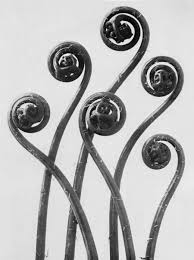
At the turn of the twentieth century there were no cameras that were capable of taking the macro photos that Blossfeldt sought, so he developed his own camera – fitted with special magnifying lenses. Using his newly invented camera Blossfeldt was able to create the detailed images of plants that he wanted his students to use as sculptural references. In his lifetime, Blossfeldt amassed more than 6,000 photographic images – a stunning amount for the time.
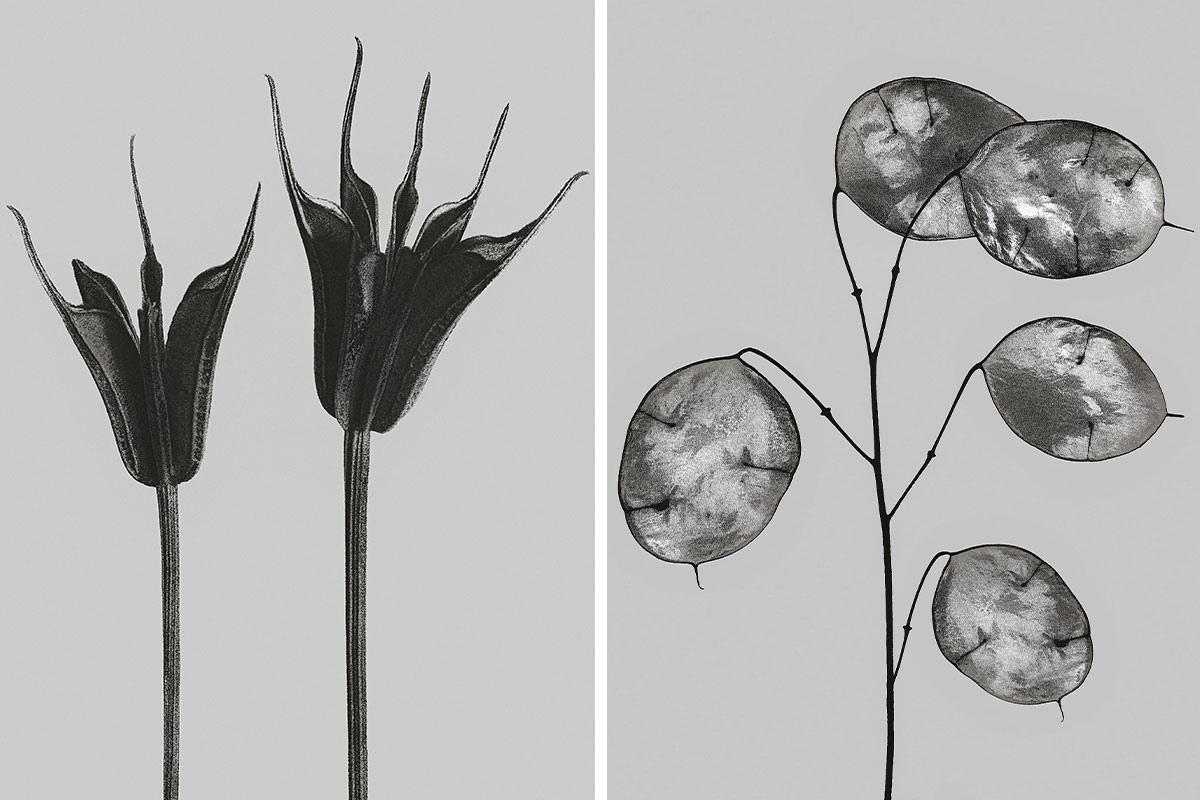
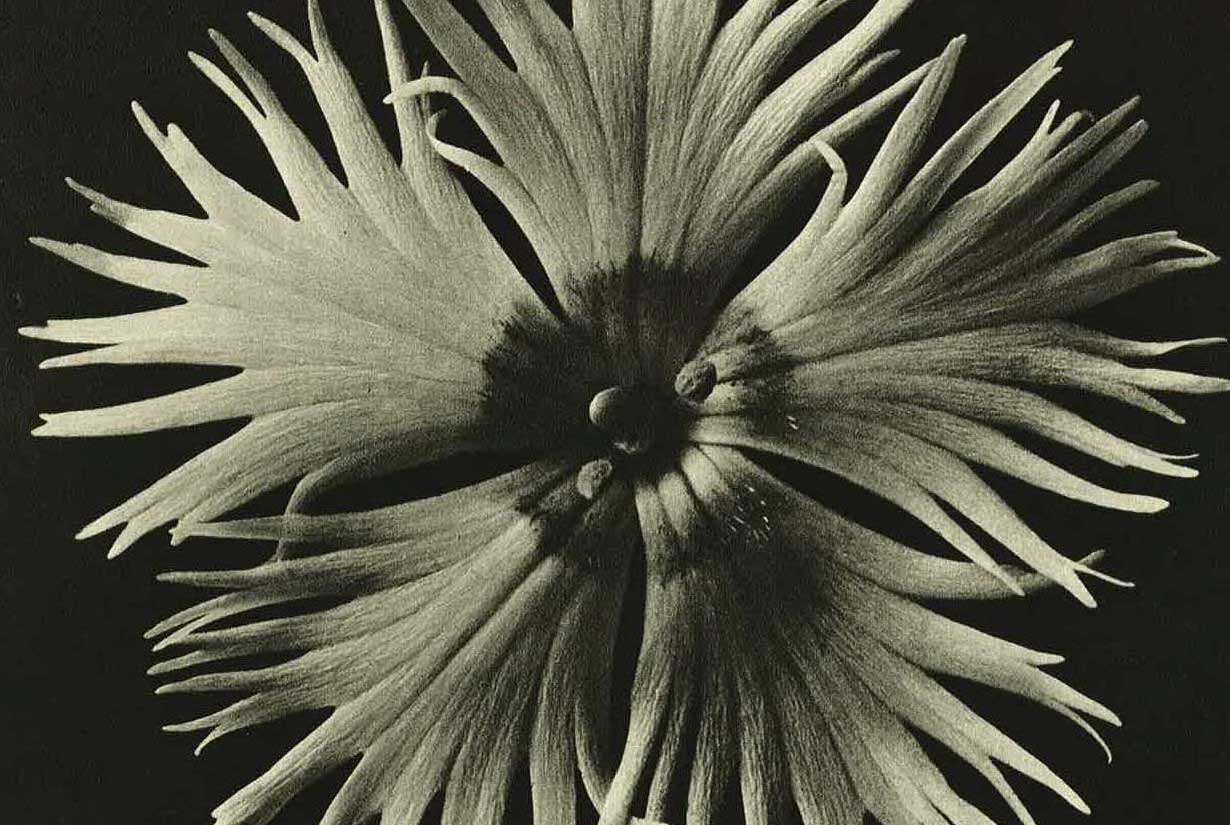
In 1928 Blossfeldt published “Urformen der Kunst” (Art Forms in Nature). His intention for the book was to serve as a teaching aid, but it was quickly recognized as an important work of art. “Wundergarten der Natur” was released posthumously in 1932 and offers an even wider glimpse into the amazing images he was able to capture. Blossfeldt flower photography is still heralded today as some of the most haunting, elegant images of plants ever produced.
The Photogravure Process
Maintaining fine detail was of utmost importance to Blossfeldt and so for his prints he utilized the photogravure process. Although not a common practice these days, this time consuming, labor intensive process was a must for Blossfeldt when reproducing his macro flower images. Basically photogravure is a photomechanical process. It is also known as a form of intaligio printing. The print is made from a metal plate like an etching or engraving, using ink to produce the image. The plate (traditionally made of copper) is made light sensitive, exposed to a negative, and then etched in acid. It was originally favored because it was possible to make bulk images of consistently detailed quality.
See more / content via: https://theshelfist.com/karl-blossfeldt