Blooms in Architecture
When Architecture Meets Nature’s Beauty
In the world of architecture, there are buildings that stand out not just for their structural marvels but also for their harmonious integration with nature’s floral wonders. These iconic structures seamlessly blend the man-made with the natural, creating captivating environments where beauty blooms in every corner. Let’s explore three famous buildings known for their unity with flowers and natural beauty.
The Lotus Temple, Delhi, India
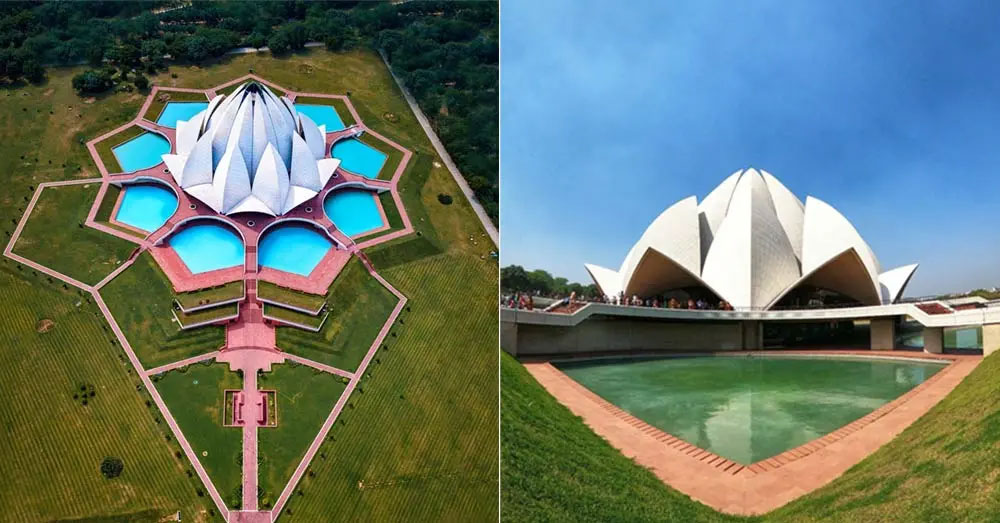
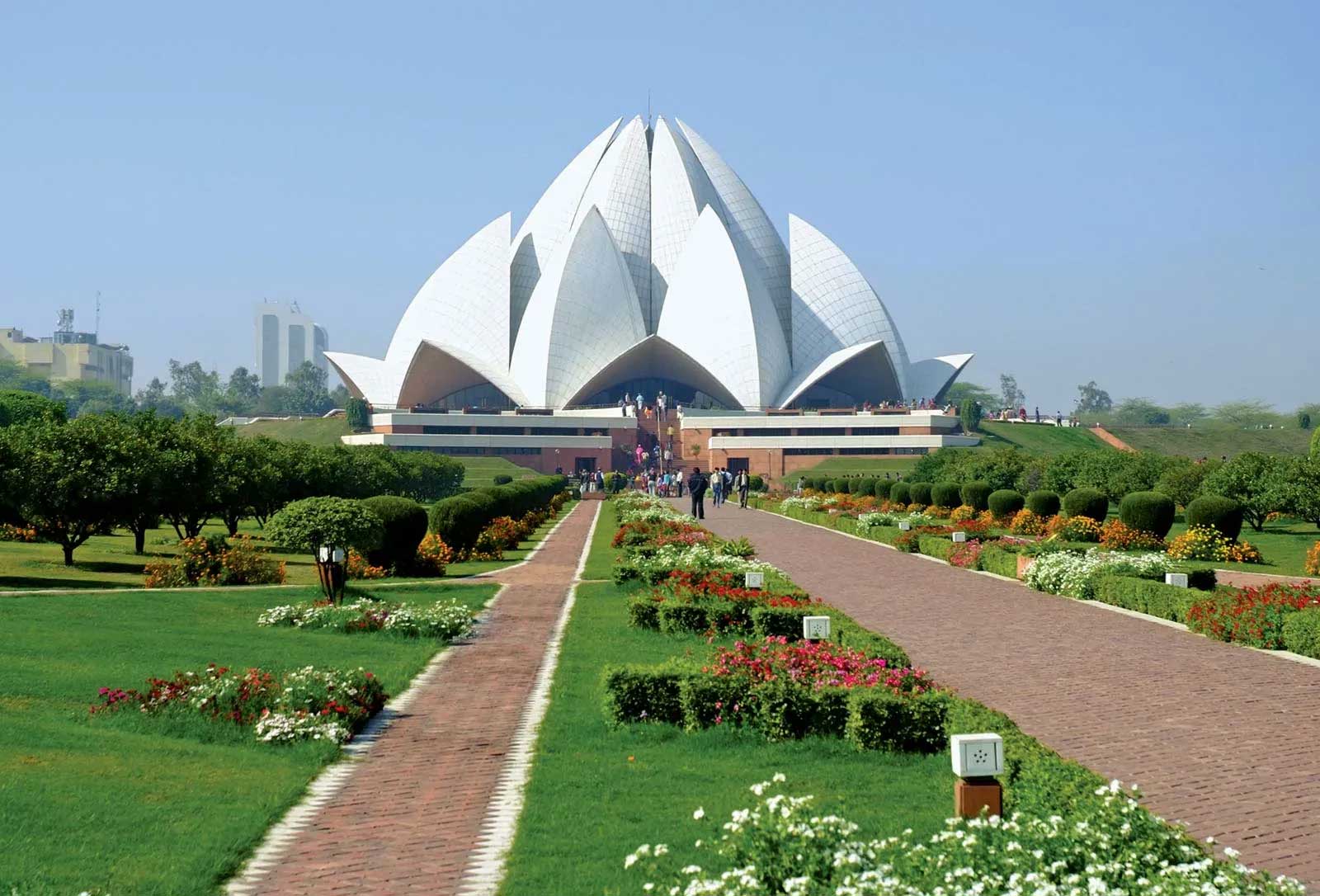
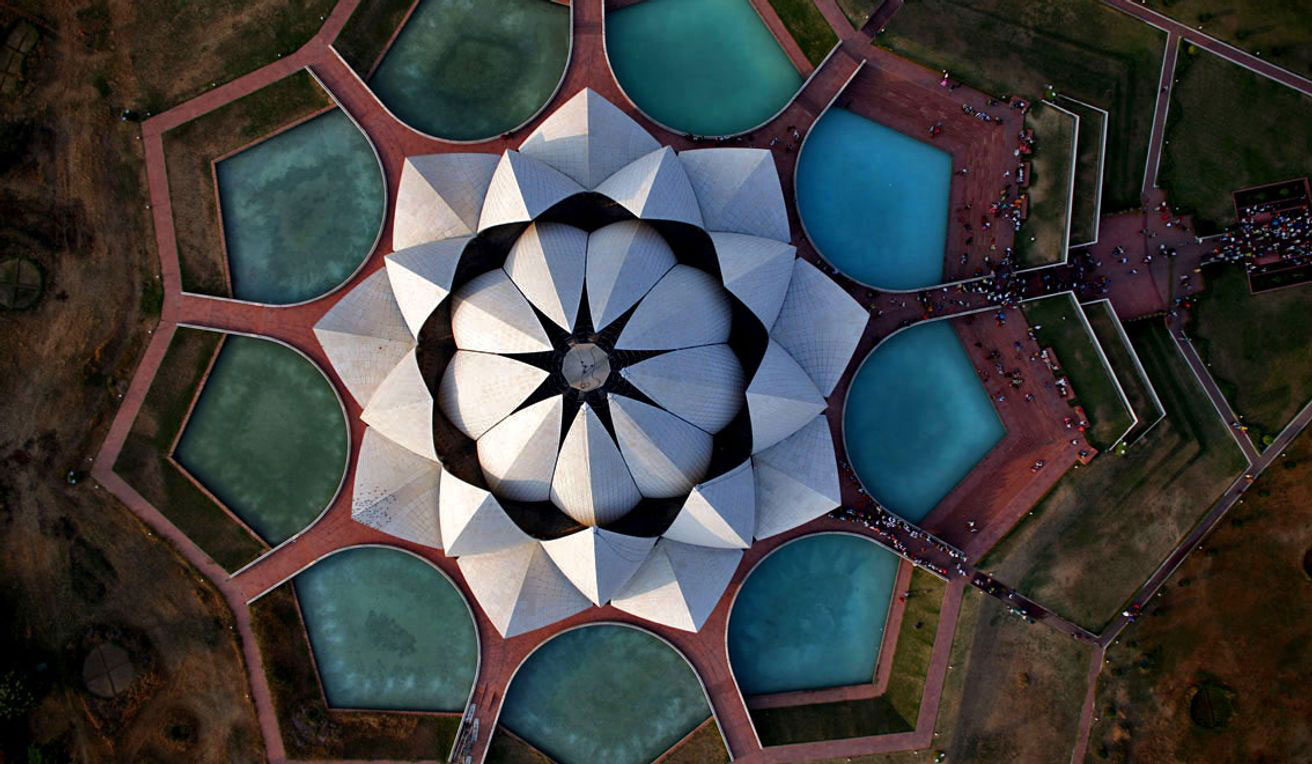
Designed by Iranian architect Fariborz Sahba, the Lotus Temple in Delhi is not just an architectural marvel but a symbol of unity and spirituality. Its lotus-inspired design, with 27 marble-clad petals radiating outward, draws inspiration from the lotus flower, a symbol of purity and enlightenment in many cultures. The smooth, white surfaces of the temple evoke a sense of serenity and grace, reflecting sunlight in mesmerizing ways throughout the day.
What truly enhances the experience of the Lotus Temple is its surroundings. The temple is nestled within beautifully landscaped gardens that are meticulously maintained, featuring a variety of flowering plants, shrubs, and trees. Visitors entering the temple are greeted by a tranquil oasis, where the gentle rustle of leaves and the fragrance of flowers create a calming ambiance. The gardens, with their vibrant colors and natural textures, complement the architectural elegance of the temple, making it a holistic experience for all who visit.
The Gardens by the Bay, Singapore
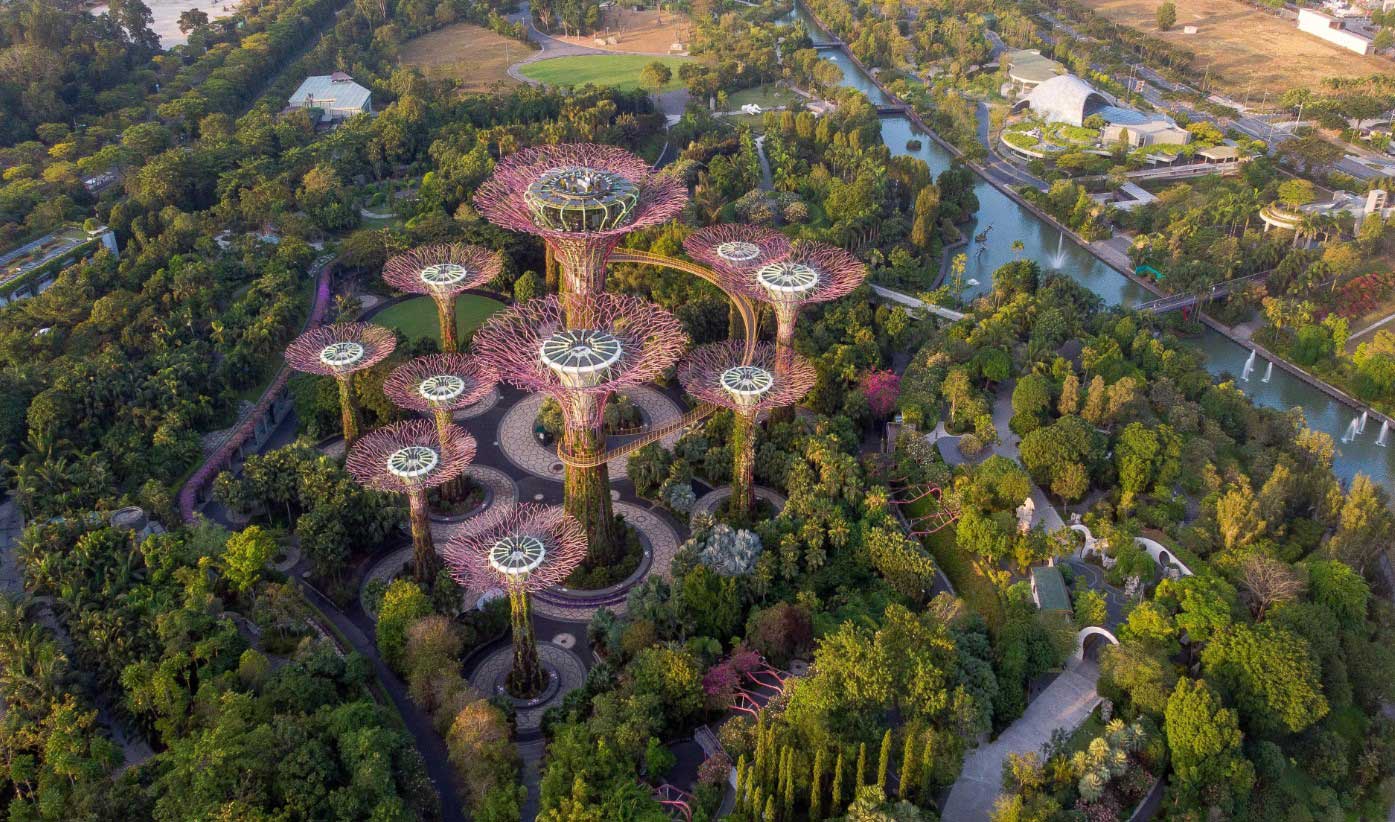
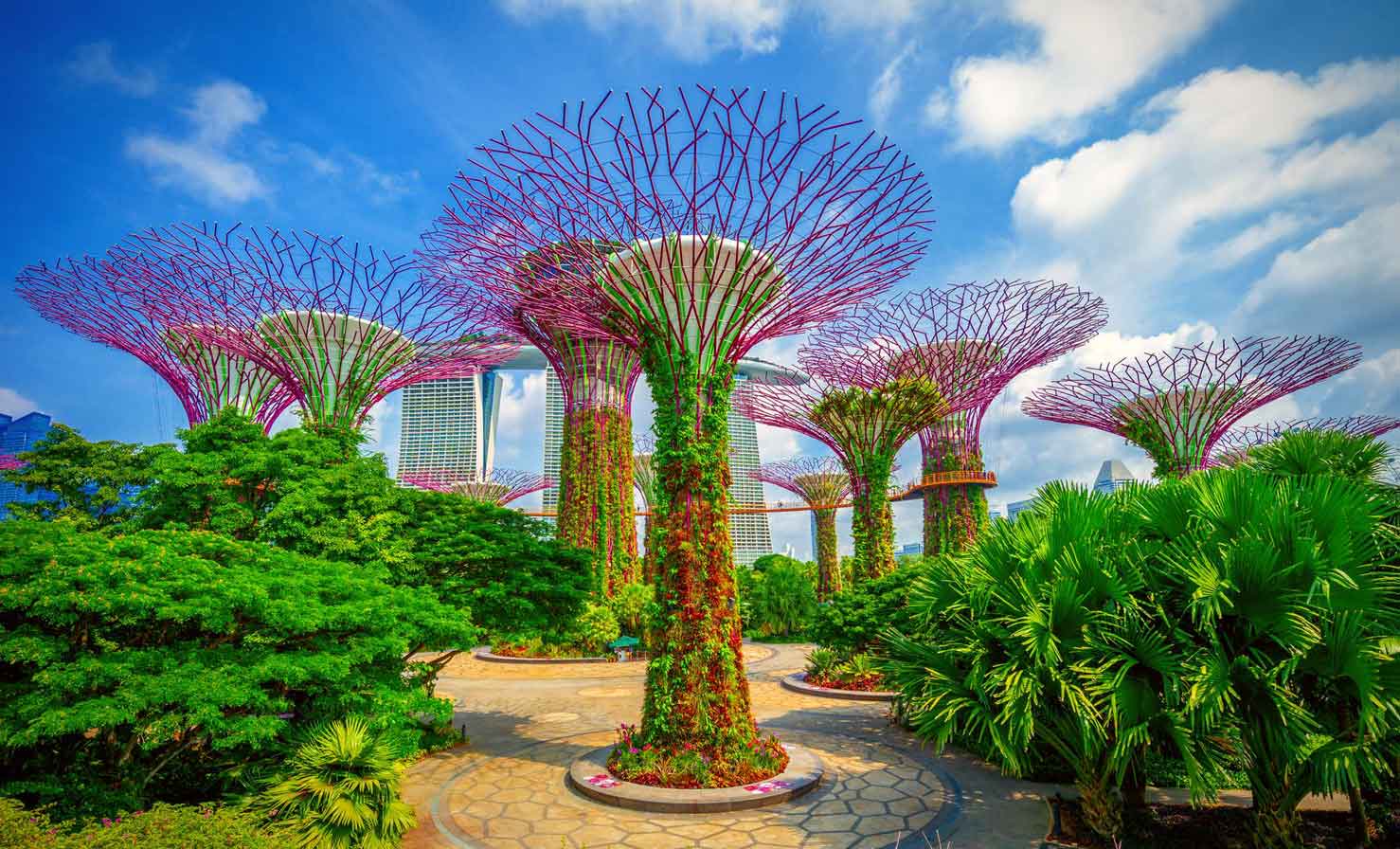
A marvel of modern engineering and botanical innovation, the Gardens by the Bay in Singapore is a testament to human creativity in harmony with nature. The iconic Supertree Grove is perhaps the most visually striking aspect of the gardens, with its towering vertical gardens that mimic the form of trees. These “supertrees” are adorned with a variety of flowering plants, vines, and epiphytes, creating a lush and vibrant canopy that provides shade and shelter while also serving as vertical gardens for biodiversity.
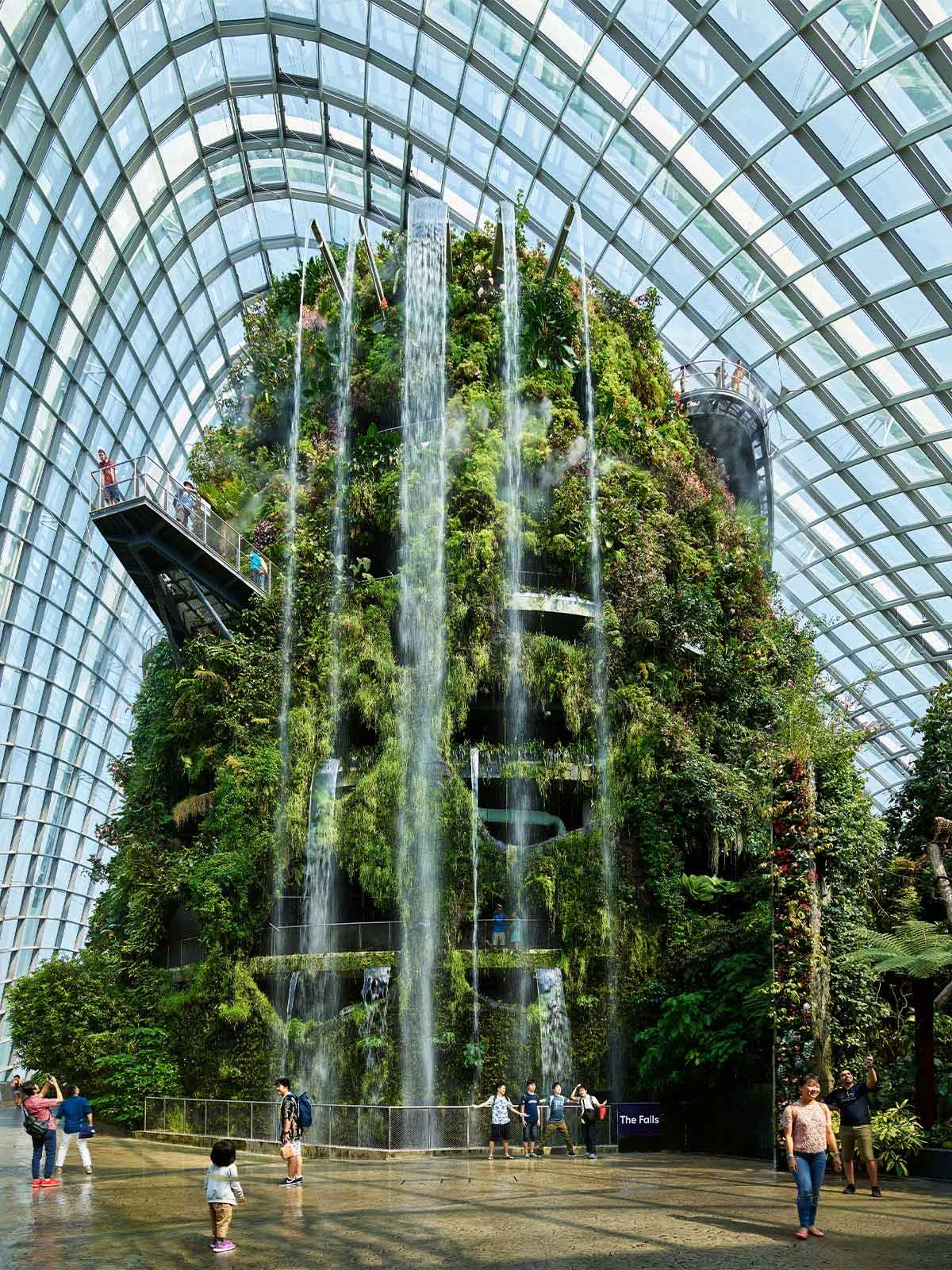
Within the Gardens by the Bay, the Flower Dome and Cloud Forest conservatories offer immersive experiences that showcase the diversity of plant life from around the world. The Flower Dome, with its ever-changing floral displays, celebrates the beauty of flowers in all their colors, shapes, and fragrances. The Cloud Forest, on the other hand, is a tropical montane garden that simulates high-altitude environments, featuring rare and exotic plants, including many flowering species.
The Gardens by the Bay is not just a botanical garden but a living showcase of sustainable practices and environmental stewardship. From the use of recycled materials in construction to rainwater harvesting and energy-efficient technologies, the gardens embody a commitment to preserving and celebrating the beauty of nature.
The Alhambra, Granada, Spain
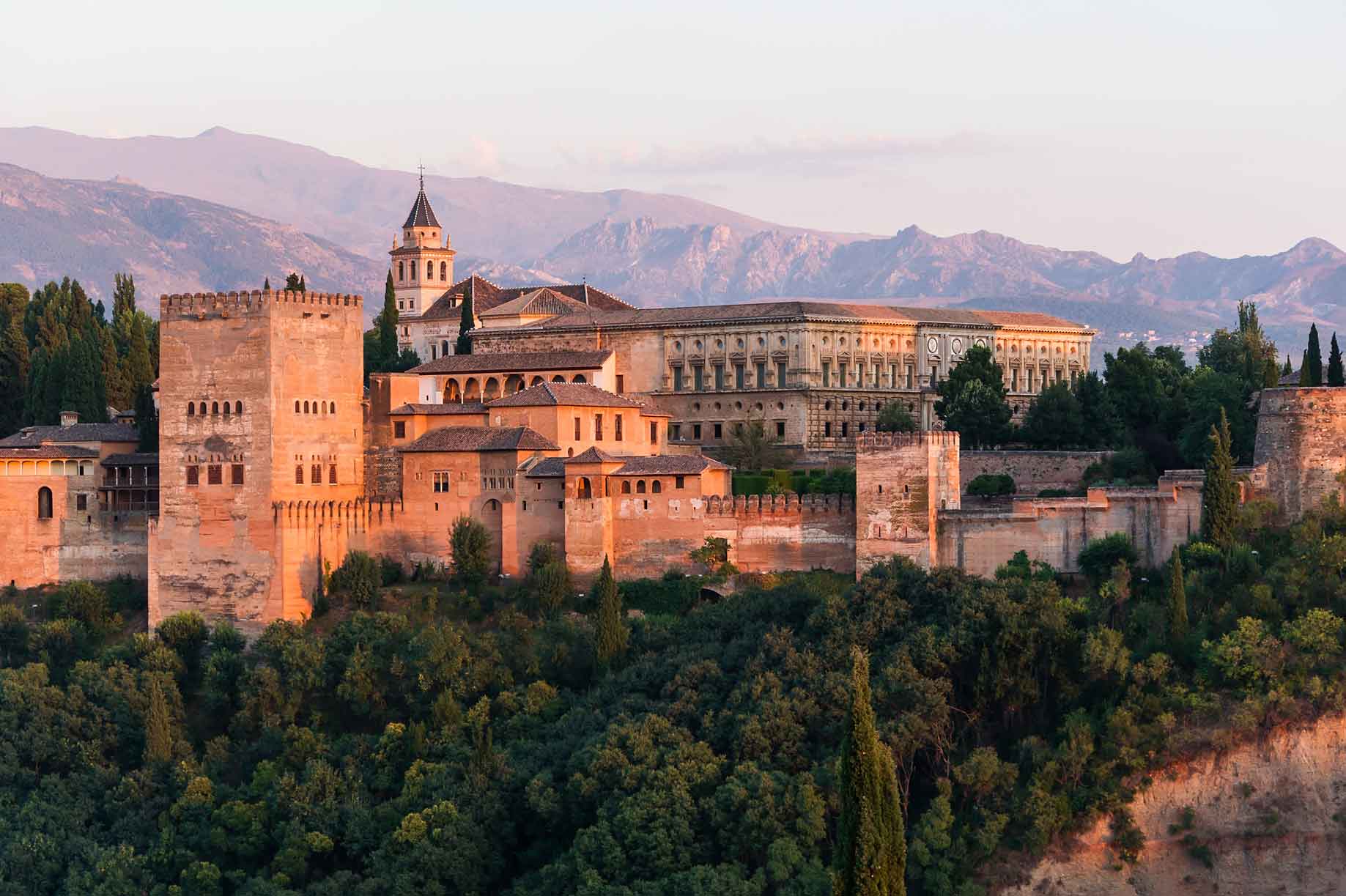
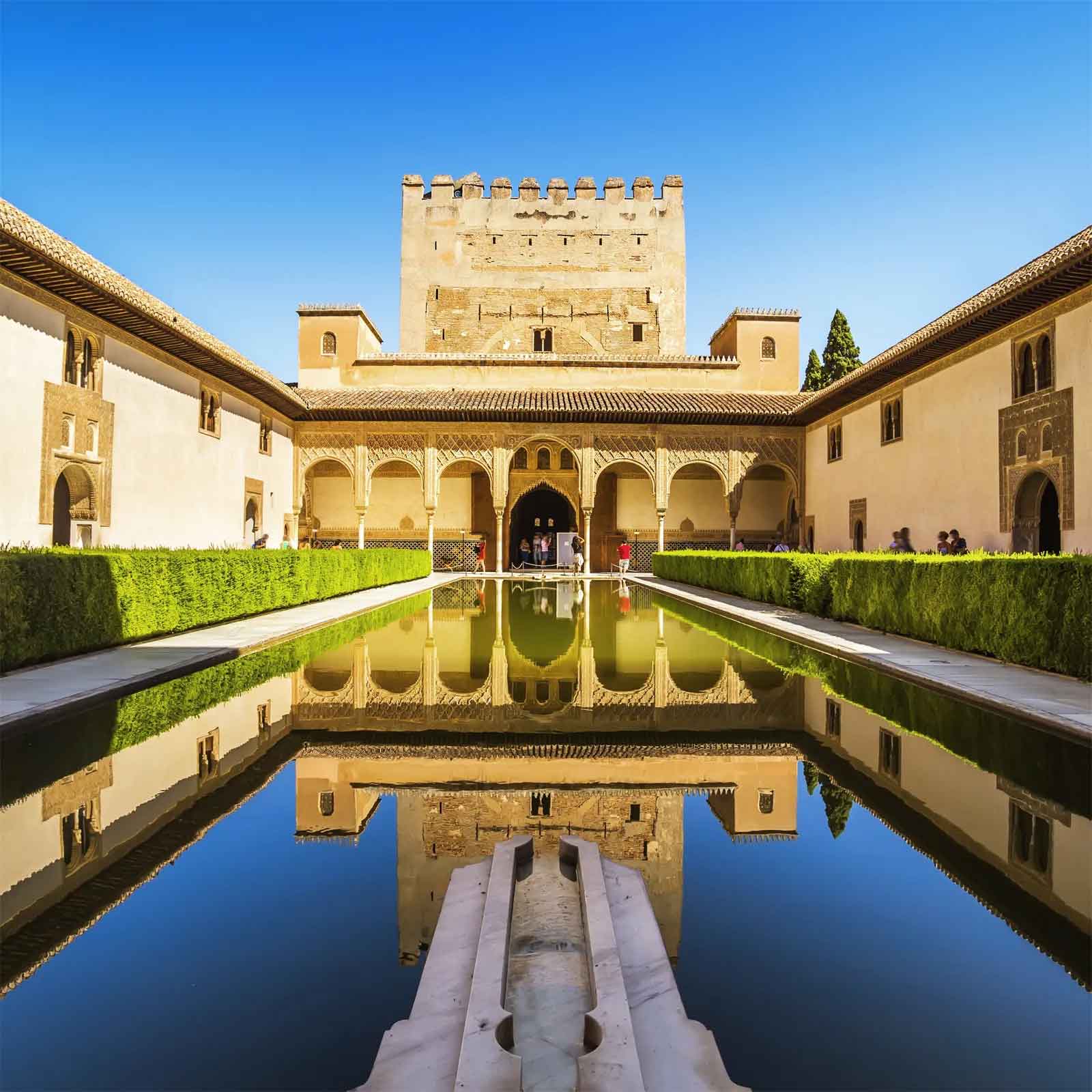
The Alhambra, a UNESCO World Heritage site, is a testament to the rich cultural heritage of Islamic Spain and the beauty of Moorish architecture. Its name, which means “the red fortress,” refers to the reddish hue of the walls and towers that dominate the landscape of Granada. But it’s not just the architecture that makes the Alhambra special; it’s also the intricate gardens and courtyards that surround it.
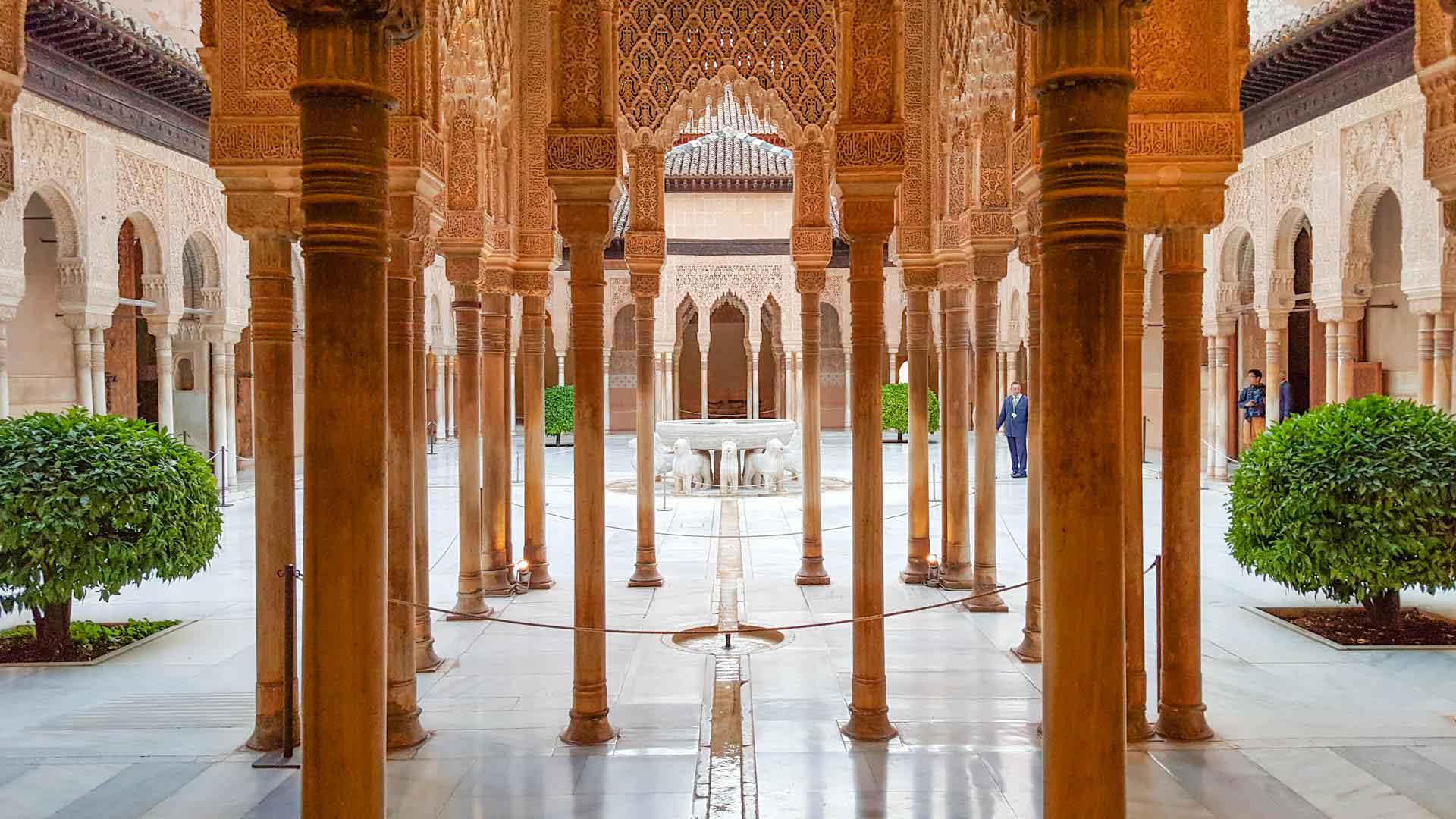
The Generalife Gardens, located adjacent to the Alhambra, are a paradise of lush greenery, vibrant flowers, and flowing water. The Court of the Lions, with its iconic fountain adorned with lion sculptures, is surrounded by meticulously landscaped gardens that feature citrus trees, cypress hedges, and a variety of colorful blooms. The Nasrid Palaces, with their intricate stucco work, carved wooden ceilings, and geometric tile patterns, are also adorned with floral motifs that reflect the Islamic reverence for nature and beauty.
What makes the Alhambra’s gardens so captivating is their integration with the architecture. Every courtyard, every pathway, and every fountain is carefully designed to create a sense of harmony and balance between human creations and the natural world. Visitors to the Alhambra are transported to a time when gardens were not just decorative but integral to daily life, offering respite, inspiration, and a connection to the beauty of the earth.
Steeped in history and adorned with exquisite floral motifs, the Alhambra in Granada, Spain, is a testament to the beauty of Islamic architecture intertwined with natural elements. The intricate arabesques, geometric patterns, and ornate gardens of the Alhambra reflect a deep appreciation for the beauty of flowers and gardens as symbols of paradise on earth. The Court of the Lions, with its iconic fountain surrounded by lush greenery and colorful blooms, epitomizes the fusion of architectural grandeur and natural beauty.
These three iconic buildings serve as reminders of the enduring relationship between architecture and nature. Through thoughtful design, meticulous planning, and a deep respect for the environment, architects have created spaces where the beauty of flowers and natural elements enriches the human experience, fostering a sense of wonder, serenity, and connection to the world around us. In these blooming landscapes, buildings and blossoms unite to create timeless expressions of beauty and harmony.
See more / content via: https://www.britannica.com/topic/Alhambra-fortress-Granada-Spain