Nature-inspired Structures
What is Biomimicry Architecture?
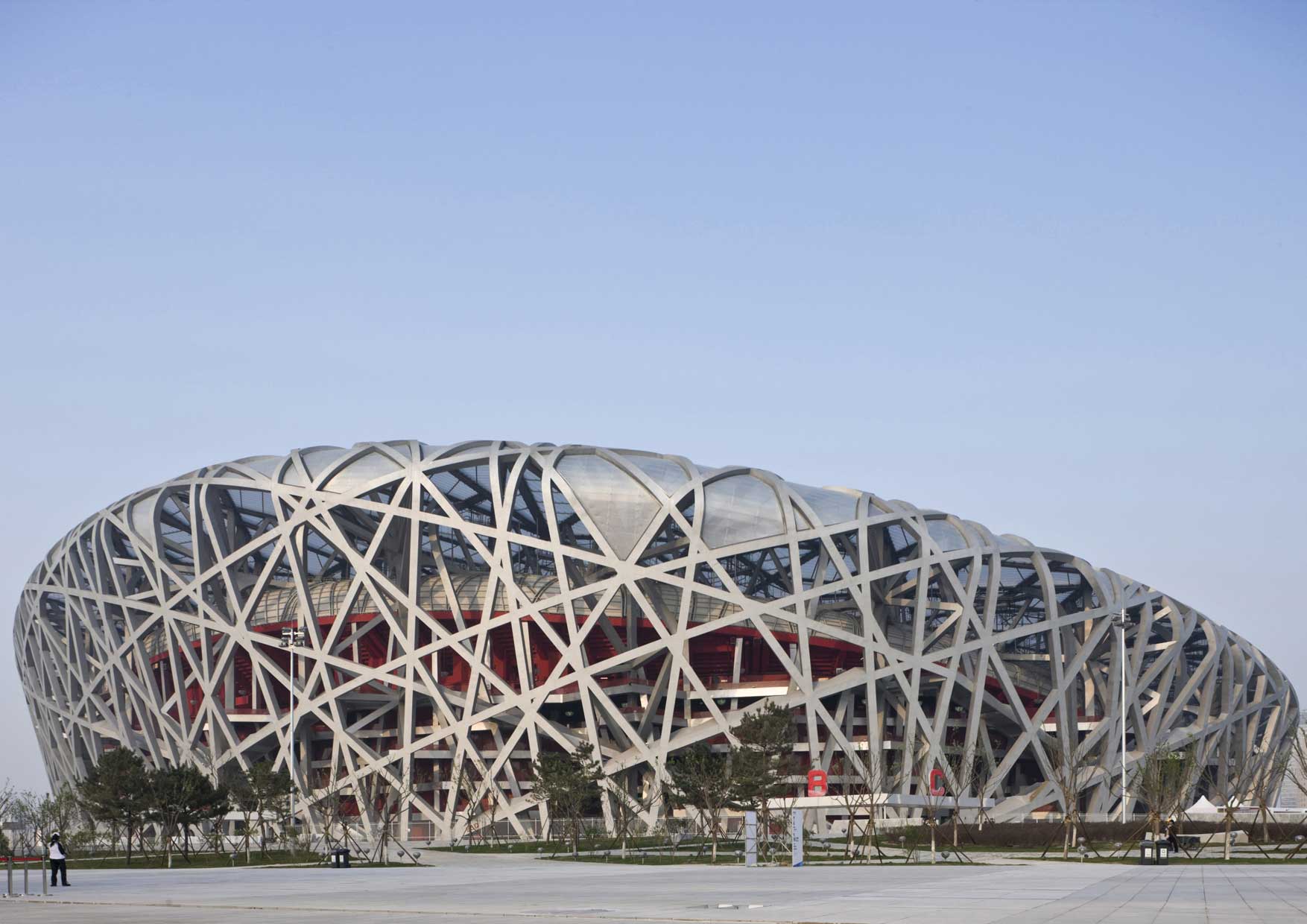
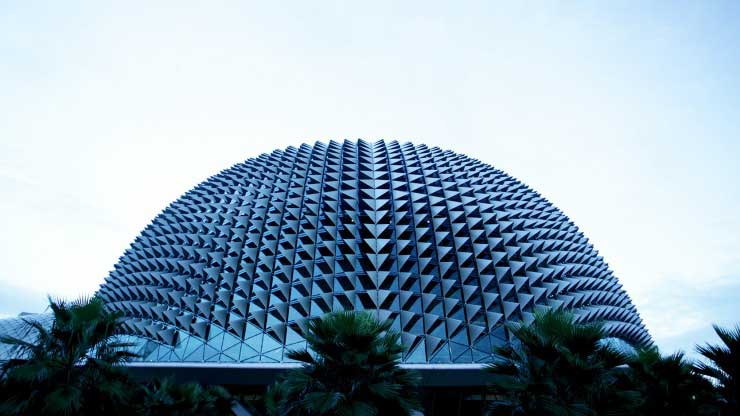
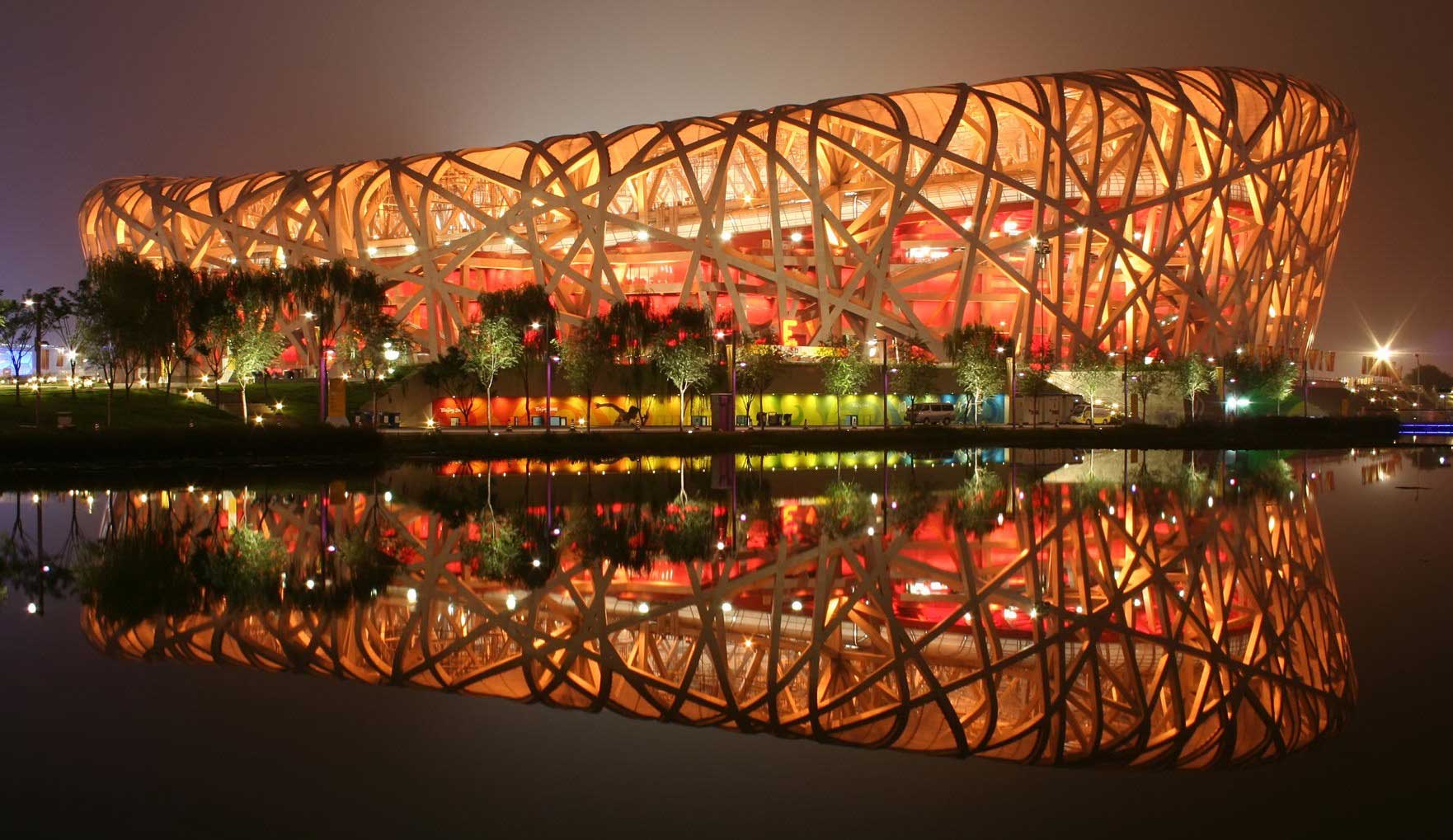
Nature has had an enormous impact and source of inspiration to several scholars, researchers, scientists, students, and individuals for generations. Nature is a source of inspiration for several ideologies and theories. Nature itself has an adaptation and coping process, which one can learn and inspire themselves. Architecture as an industry often takes inspiration from nature, whether for forms, façade design, or even the functioning of an entire structure. The fascination an individual has towards nature often mimics their inspiration from it.
Biomimicry is derived from the Greek word; Bio means life and mimicry means to imitate. Biomimicry Architecture; is often referred to as a unique and technical approach to mimicking nature in creating various designs in architecture. The structure inspired by nature can be strong yet sustainable since nature is a long-lasting system. The buildings are designed to mimic the functions of nature. The design is limitless since nature has no bounds, and design inspired by nature also has no bounds.
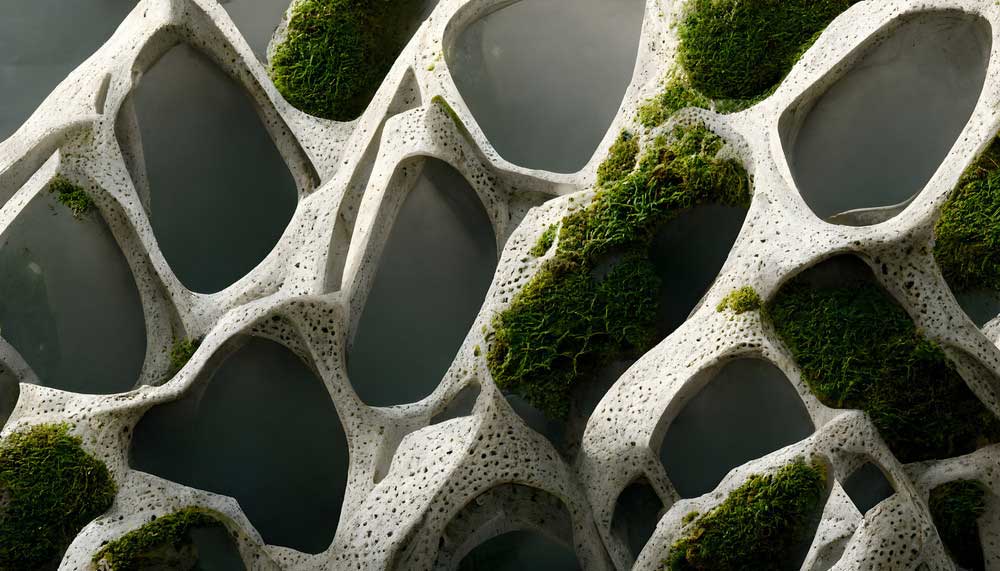
Biomimicry can shape our structure in several ways; Functioning like nature, Appearance like nature, and Utilizing nature as elements. Architecture is a path toward sensitive and nature-inspired architecture. The architecture inspired by nature creates more sustainable built environments in the process we are learning from nature and how it functions.
Biomimicry Projects
At its core, biomimicry in architecture seeks to mimic nature’s strategies, forms, and functions to solve human design challenges. This approach acknowledges that millions of years of evolution have resulted in highly efficient and optimized solutions in the natural world, making it a rich source of inspiration for innovative design.
One of the key principles of biomimicry in architecture is efficiency. Nature has perfected the art of resource efficiency, using minimal materials and energy to achieve complex and resilient structures. For example, the honeycomb structure of beehives inspired the design of lightweight and strong architectural panels, reducing material usage while maintaining structural integrity.
Another aspect of biomimicry is resilience. Organisms in nature have evolved mechanisms to adapt to changing conditions and withstand environmental challenges. Architects apply this concept by designing buildings that can self-regulate temperature, capture and store water, and withstand natural disasters like hurricanes or earthquakes.
The integration of biomimicry in architecture also prioritizes sustainability. By studying how ecosystems function and cycles operate in nature, designers can create buildings that operate in harmony with their surroundings. This includes incorporating green roofs for natural insulation, using biomaterials that are renewable and biodegradable, and designing efficient systems for energy and water management.
Biomimetic architecture is not limited to structural design; it extends to urban planning as well. Cities can learn from natural systems such as forests and wetlands to design green infrastructure that enhances biodiversity, mitigates urban heat islands, and improves air and water quality.
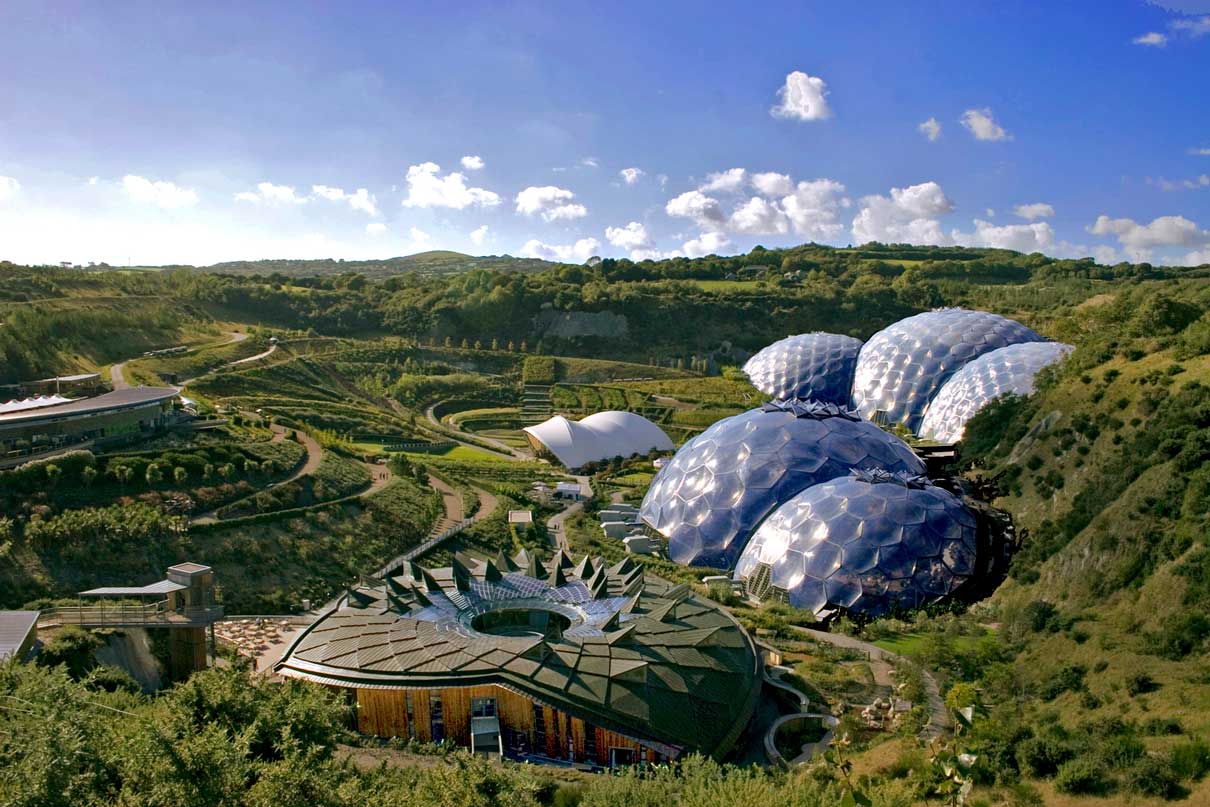
Examples of biomimetic architecture abound. The Eastgate Centre in Zimbabwe, inspired by termite mounds, uses passive cooling techniques to regulate indoor temperatures without conventional air conditioning. The Eden Project in the UK, modeled after soap bubbles, features geodesic domes that maximize natural light and ventilation while minimizing material usage.
See more / content via: https://parametric-architecture.com