Infusing Natural Materials In Architecture
Exploring Kengo Kuma’s Nature-Inspired Architecture
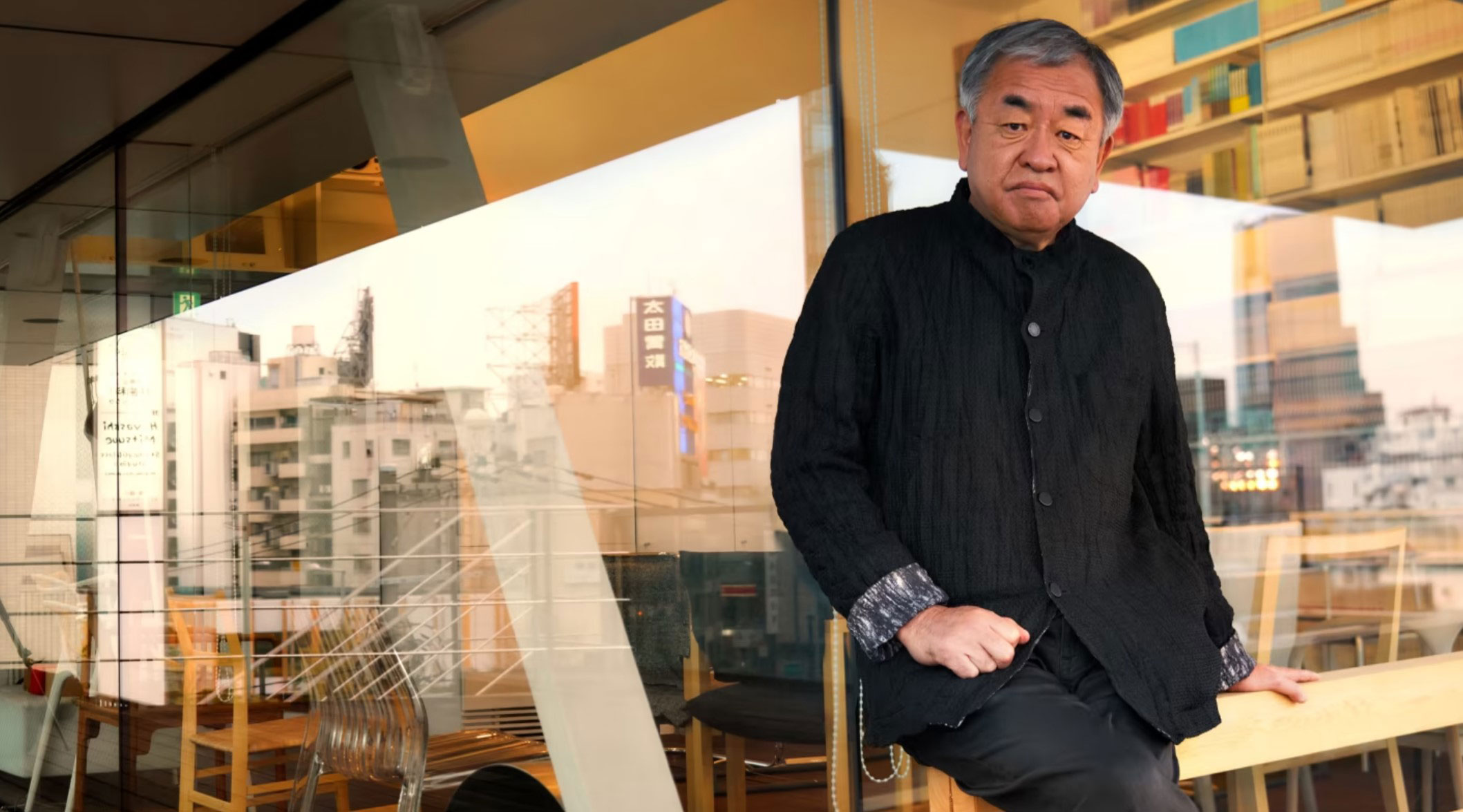
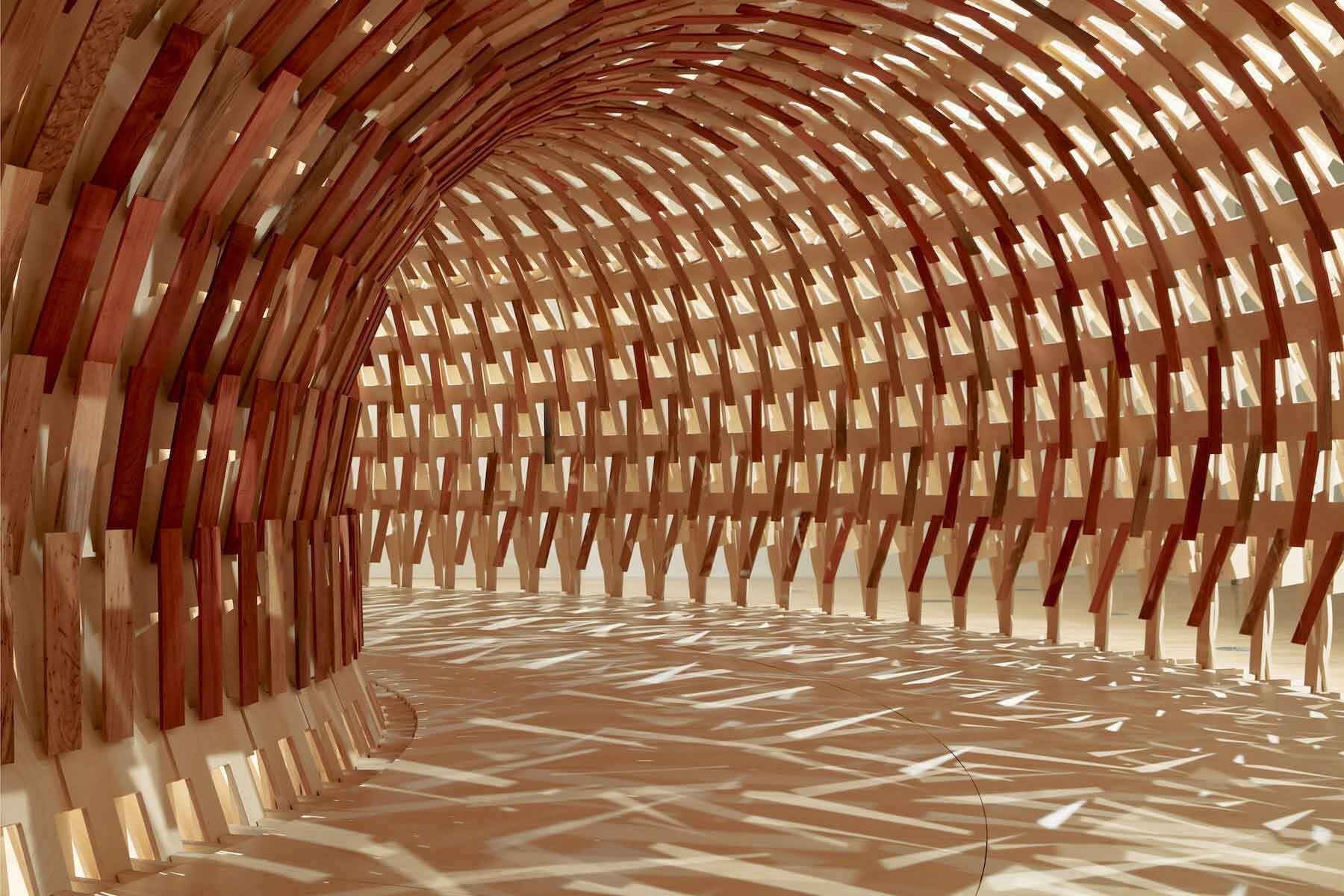
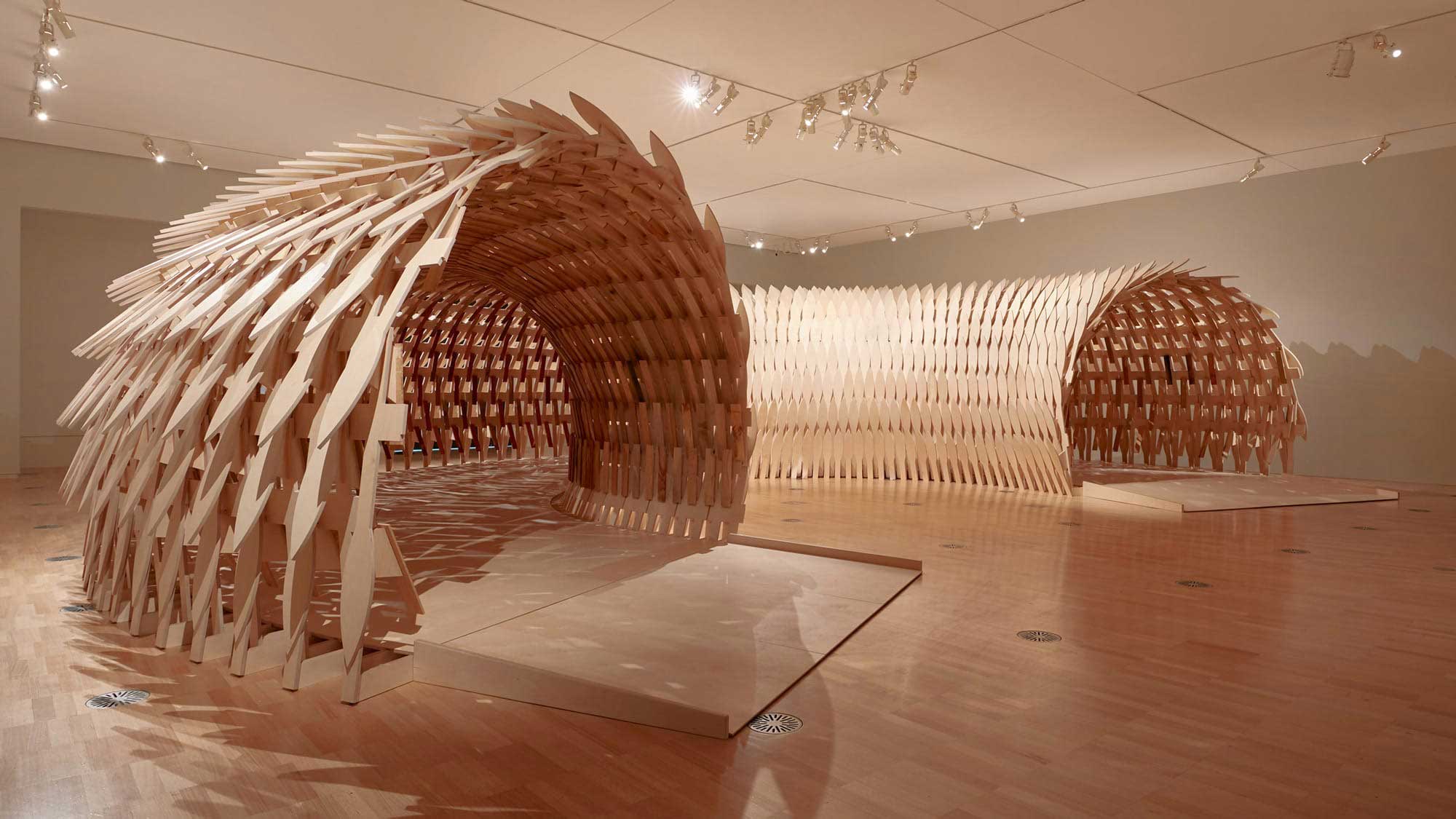
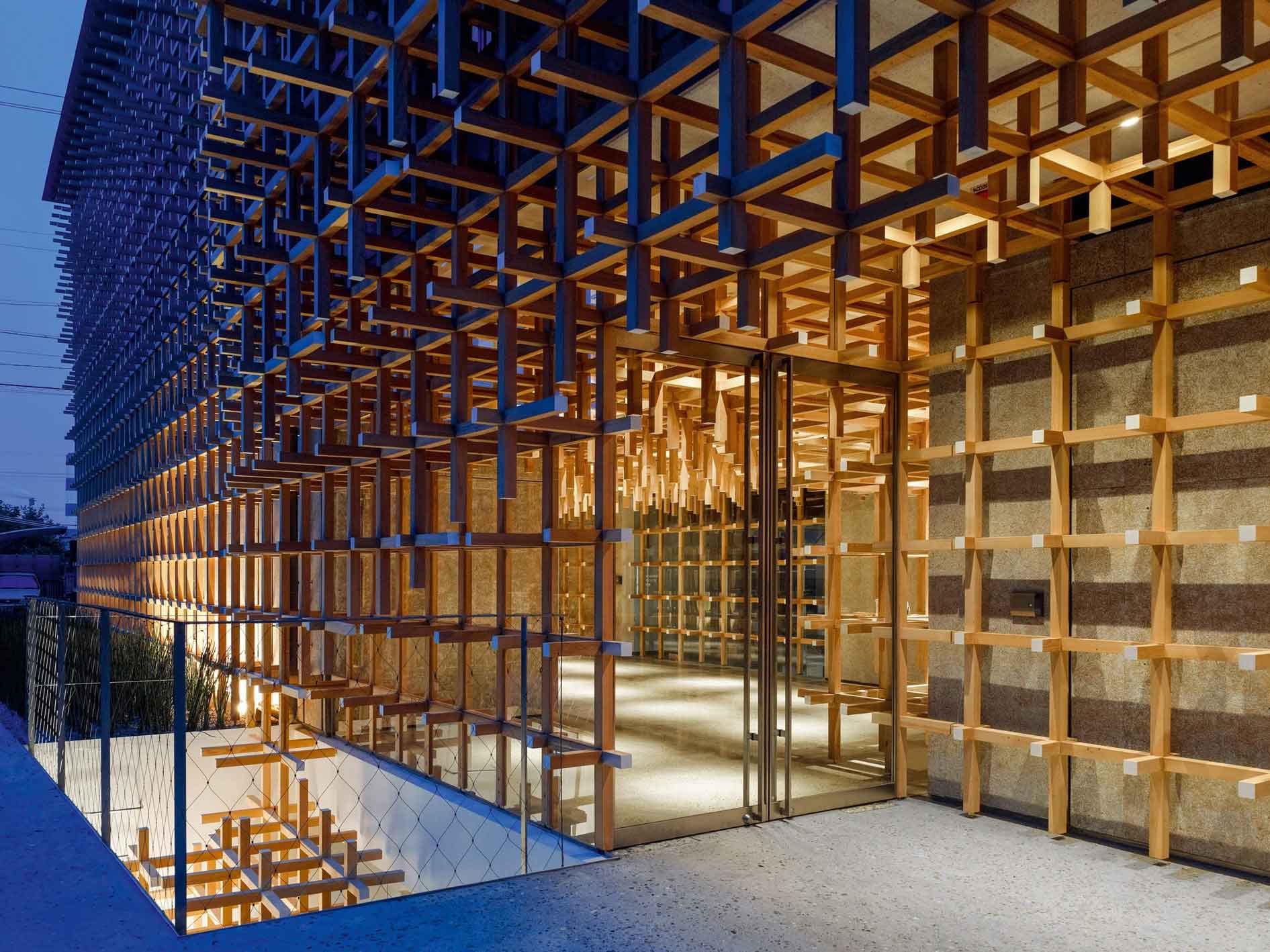
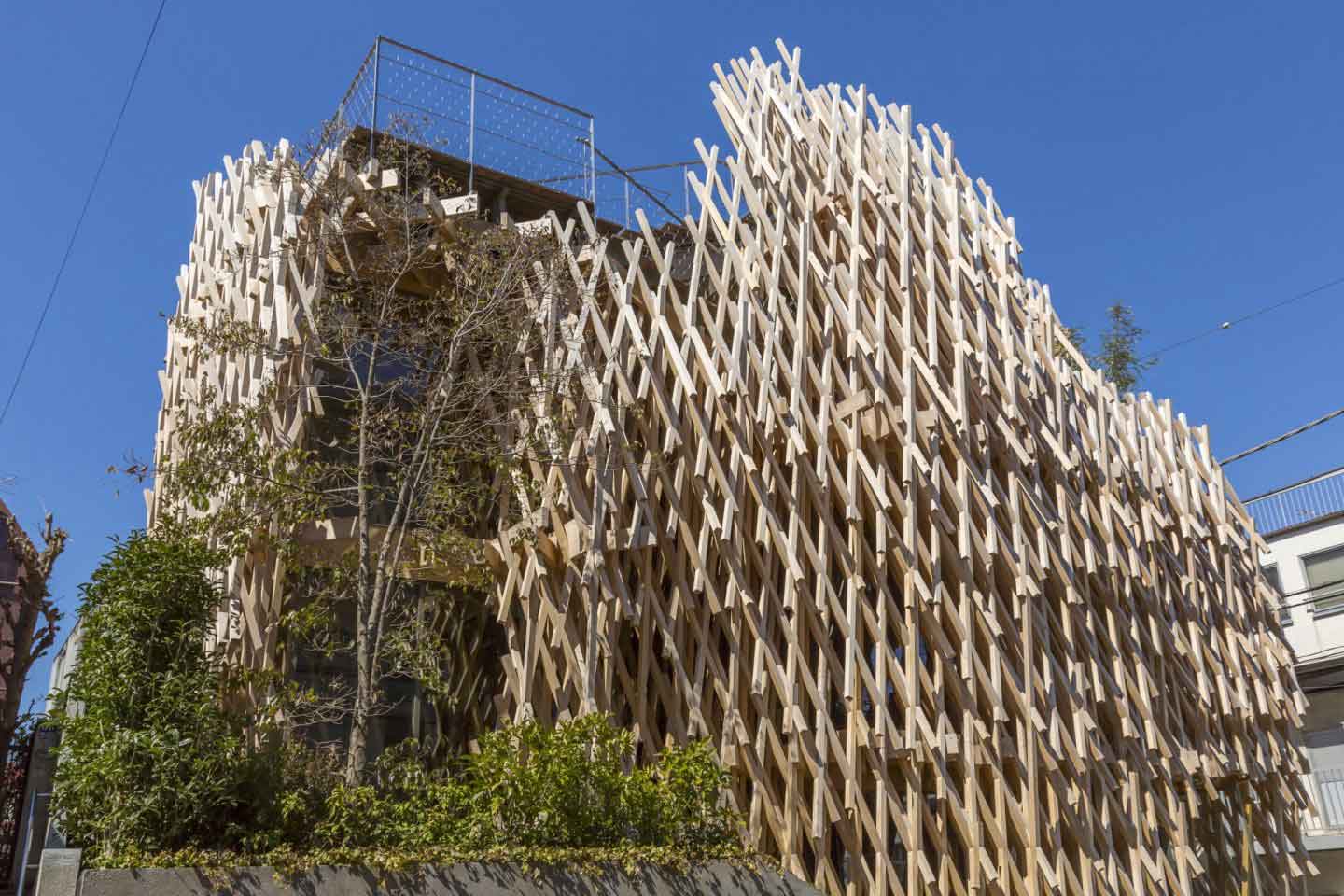
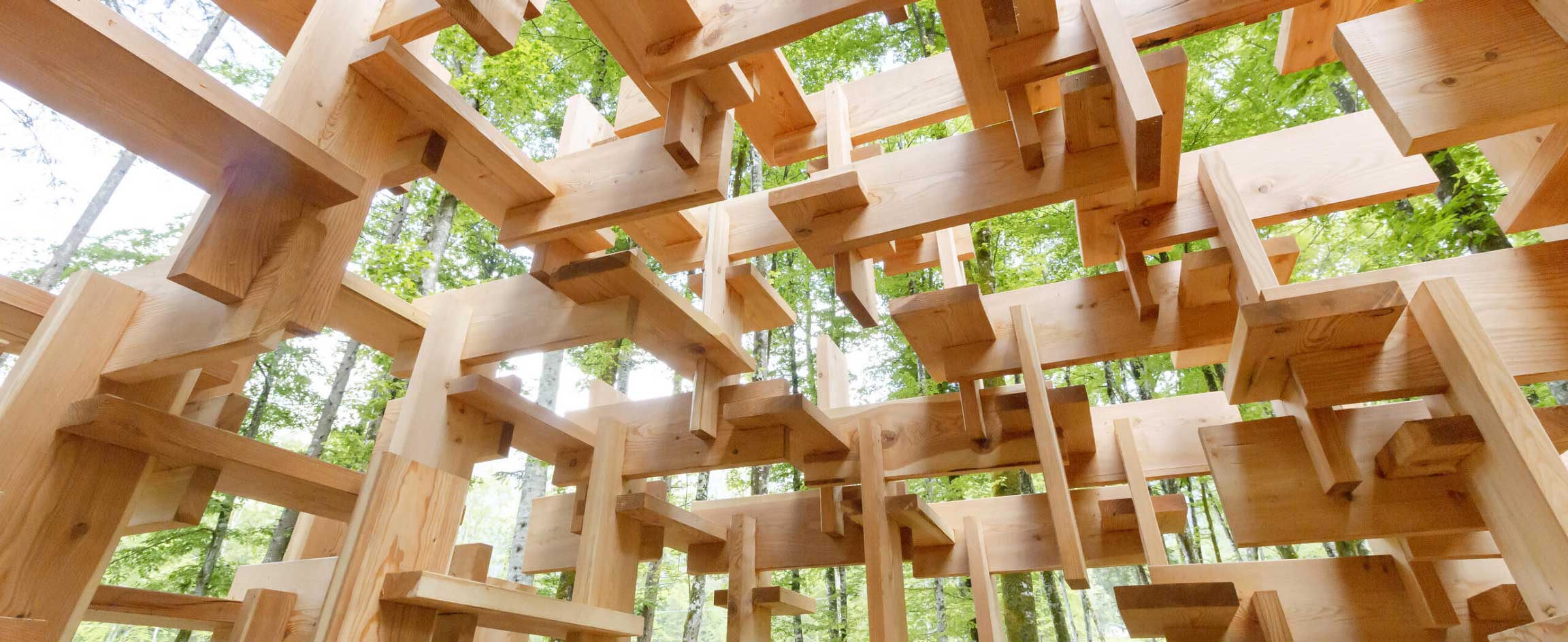
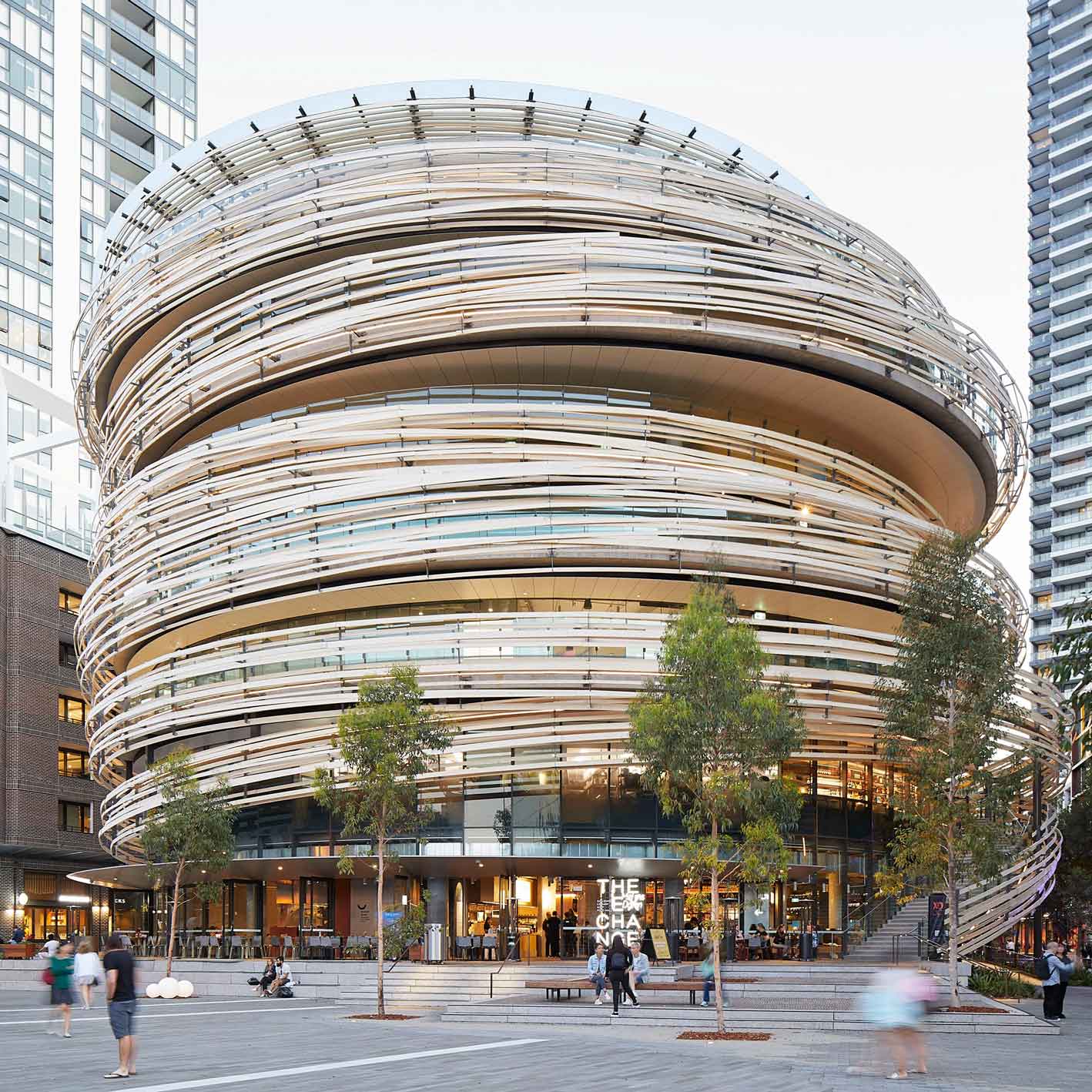
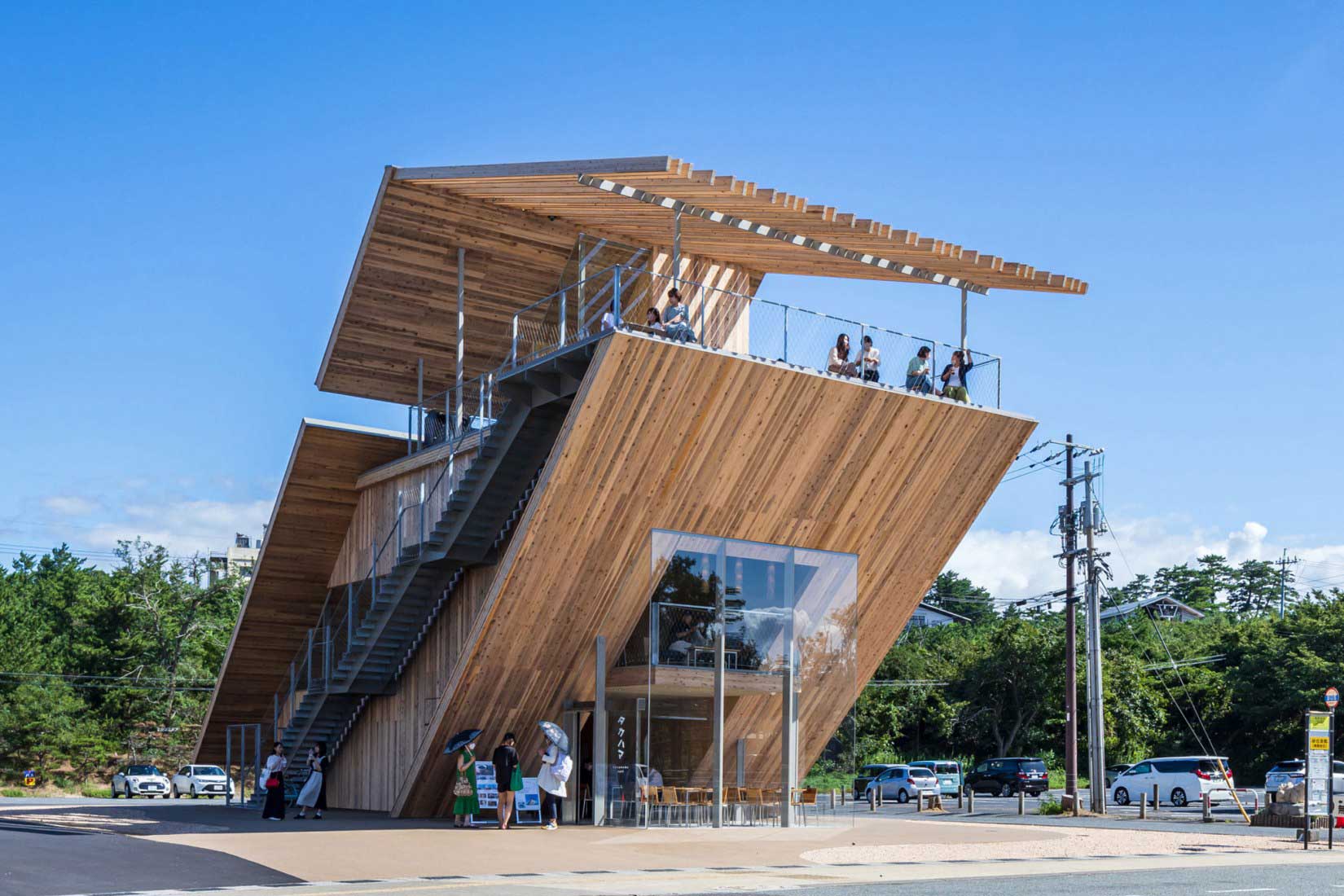
Kengo Kuma, a visionary Japanese architect, has carved a distinct niche in the world of architecture with his organic and nature-inspired designs. Renowned for his innovative use of natural materials, seamless integration of indoor and outdoor spaces, and profound respect for the environment, Kuma’s creations stand as timeless tributes to the harmonious relationship between human-made structures and the natural world.
Sushi is a good metaphor for my architecture. The importance in sushi is to choose the best material from the place, in season”
One of Kuma’s most celebrated works is the Rolex Learning Center in Lausanne, Switzerland. Designed as a dynamic hub for learning and collaboration, the center’s undulating roof resembles a wave in motion, seamlessly merging with the surrounding landscape. The extensive use of wood and glass allows natural light to flood the interior spaces, creating an atmosphere of openness and connectivity. Kuma’s design philosophy of “architecture as landscape” is vividly manifested in this iconic structure, where visitors are invited to engage with nature while exploring the realms of knowledge and innovation.
Another notable project that exemplifies Kuma’s nature-inspired approach is the Portland Japanese Garden Expansion in Oregon, USA. Drawing inspiration from traditional Japanese garden design principles, Kuma transformed the existing garden into a tranquil oasis that celebrates the beauty of nature. Stone pathways meander through lush greenery, while carefully curated landscaping elements evoke a sense of serenity and harmony. The integration of natural materials, such as timber and bamboo, further accentuates the garden’s authentic Japanese aesthetic, inviting visitors to immerse themselves in a contemplative journey through nature.
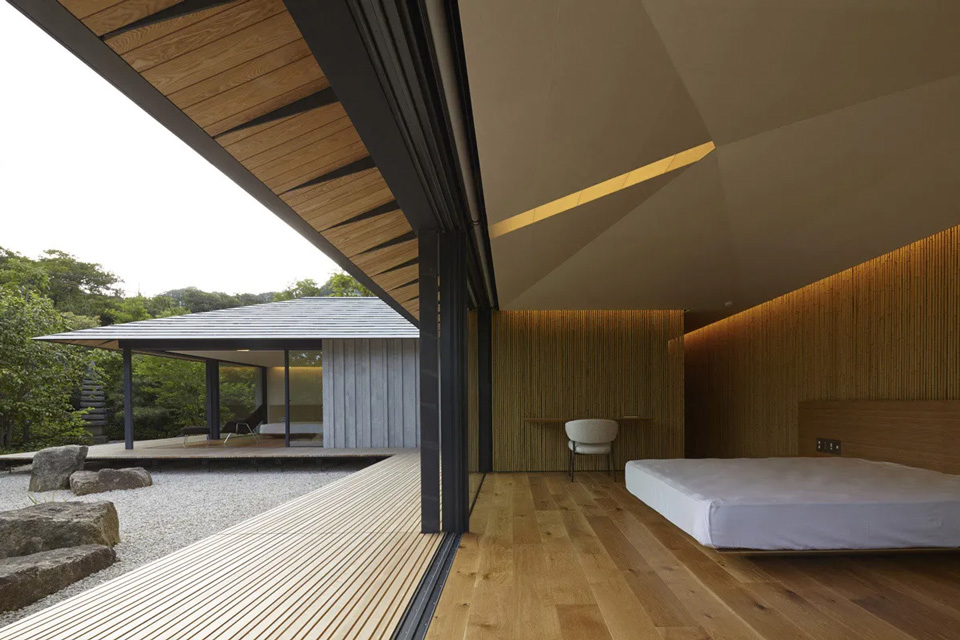
What sets Kengo Kuma apart is his ability to blur the boundaries between indoor and outdoor spaces, creating seamless transitions that enhance the overall experience of his architectural creations. Whether it’s through the use of large glass panels that frame panoramic views of the surrounding environment or the incorporation of green roofs and terraces that merge with the landscape, Kuma’s designs emphasize a deep connection with nature.
Beyond individual projects, Kengo Kuma’s architectural philosophy embodies a profound reverence for the environment and a commitment to sustainability. His advocacy for using locally sourced materials, implementing passive design strategies, and embracing biophilic design principles reflects a holistic approach to architecture that prioritizes ecological harmony and human well-being.
In a world where the built environment often stands in contrast to nature, Kengo Kuma’s works serve as inspirational examples of how architecture can coexist harmoniously with its natural surroundings. Through his organic designs and nature-inspired ethos, Kuma continues to redefine the boundaries of contemporary architecture while honoring the timeless beauty of the natural world.
See more / content via: https://www.moma.org/artists/44528